REVIEW · PHNOM PENH
From Phnom Penh: Half-Day Silk Island Tour with Guide
Book on GetYourGuide →Operated by Amazing Cambodia Tours · Bookable on GetYourGuide
A walk through Cambodia’s day-to-day rhythms beats the usual sightseeing. You’re set up for a 1928 Golden temple stop and a hands-on silk production lesson, guided in clear English. The pacing works well if you want something cultural without losing half your day to logistics.
I also like how the tour is built around real village life, not just a quick photo stop. One thing to plan for: getting on and off the ferry and jumping in/out of the tuk tuk can feel a little awkward, especially if you’re watching your footing or carrying a bag.
In This Review
- Key highlights at a glance
- Golden Temple at the Start: A 1928 Stop That Sets the Tone
- The Ferry to Silk Island: Part Transit, Part Story
- Village Life Loop: Crops, School, and How People Actually Live
- Silk Farm Community Visit: From Caterpillars to Finished Products
- Guide Quality: Strong English Turns the Day Into a Real Lesson
- Transport, Comfort, and the Heat Factor
- Value Check: Is $48 Reasonable for What You Get?
- What I’d Pair This With in Your Phnom Penh Plan
- Who This Tour Suits Best (and Who Should Skip It)
- Should You Book the Phnom Penh Silk Island Half-Day Tour?
- FAQ
- How long is the Phnom Penh to Silk Island tour?
- How much does the tour cost?
- What major places do you visit?
- Are ferry rides and entrance fees included?
- What do you learn about during the silk farm visit?
- What’s included for drinks?
- Are meals included?
- Is there a school stop?
- Is the tour affected by rain, and can I cancel?
- Are pets allowed?
Key highlights at a glance
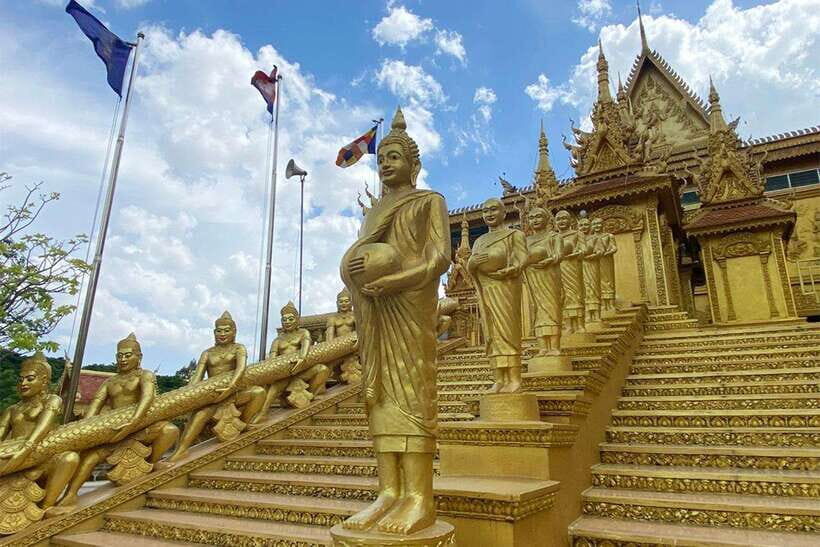
- Golden temple with a clear teaching focus: Buddhism is explained as you visit the 1928 landmark.
- Ferry ride with local context: You’ll get onboard commentary about the Mekong area and regional history.
- Village loop with crops and school time (subject to schedule): See how daily life runs around seasonal planting.
- Silk farm workshop, from worm to fabric: Learn the steps that turn cocoons into finished products.
- On-the-vehicle drinks that actually help in the heat: Unlimited water, soft drinks, and beer keep the trip comfortable.
Golden Temple at the Start: A 1928 Stop That Sets the Tone
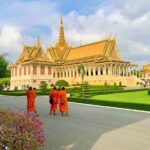
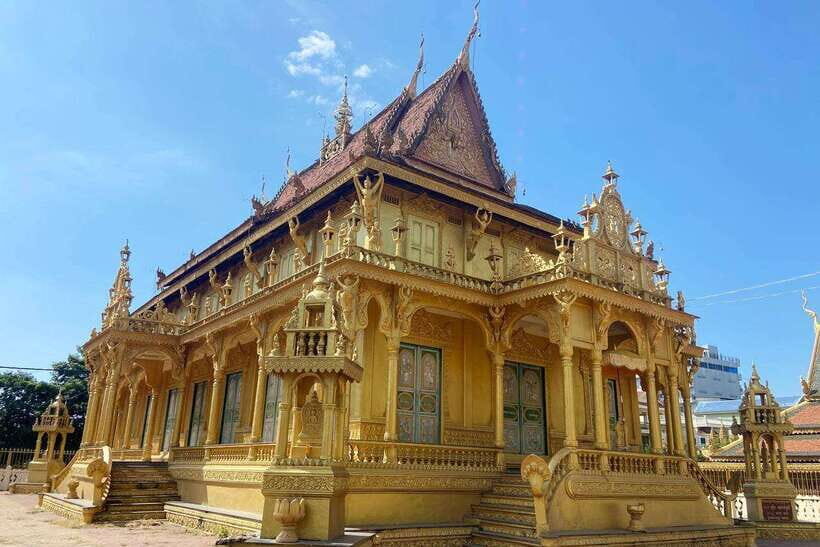
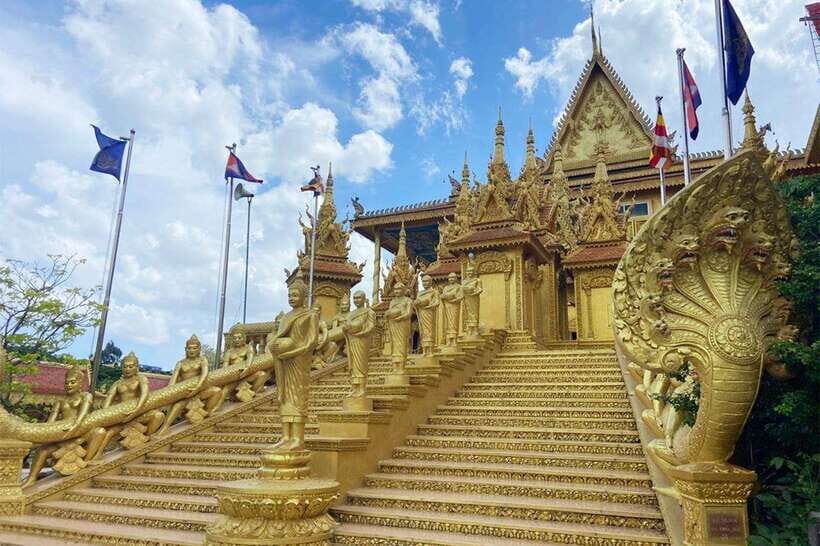
This tour starts with hotel pickup in an air-conditioned vehicle. You’re not just heading out to a random temple. The Golden temple visit is timed as a culture primer, so the rest of the afternoon makes more sense.
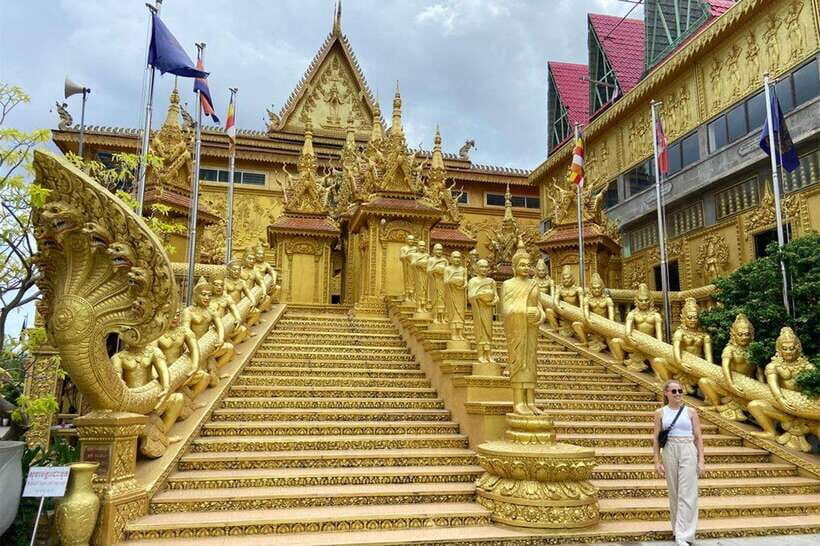
The temple itself dates to 1928, and your guide uses that visit to explain what Buddhism looks like in everyday practice. If you’ve been to temples before, you’ll still find this useful because the goal isn’t only architecture. The guide’s job is to translate symbolism and routine into plain language so you’re not left guessing what you’re seeing.
If you like history, you’ll also enjoy how the guide connects religious life with the surrounding way people live. Even if you’re not religious, it’s a respectful way to understand why certain places matter.
Other Silk Island tours we've reviewed in Phnom Penh



The Ferry to Silk Island: Part Transit, Part Story
After the temple stop, you catch a ferry to Silk Island. This is where the half-day shape of the tour starts to feel right: you get a change of scenery quickly, and you’re not stuck in traffic for hours.
A practical note: the ferry portion can involve some stepping up and down. Some guests found it a bit tricky getting on and off, and that’s worth keeping in mind if you have mobility concerns or are traveling with small kids. Wear shoes you can trust on a damp surface and keep your camera strap short.
What makes the ferry more than just transport is the narration. Guides often share background on the Mekong river and regional history during the crossing. Even a short ferry ride becomes a mini lesson, which helps the rest of the day feel guided rather than rushed.
Village Life Loop: Crops, School, and How People Actually Live
Once you reach the island, you’ll drive around to get a feel for village life. This isn’t a sightseeing bus tour. It’s more like a guided neighborhood walk, only from the road.
You’ll see:
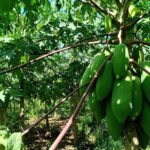
- seasonal crops grown by local families
- daily routines that explain how people organize their work
- children at school, depending on the schedule for the day
That school stop is specifically subject to school schedule, so you can’t treat it like a guaranteed photo moment. The value here is that the guide frames what you see as part of real life, not as a spectacle. If you’re the type who likes everyday culture over major landmarks, this segment is a strong payoff.
Another point: the island loop helps you understand context before you hit the silk farm. It’s easier to grasp why silk-making matters when you’ve already seen the setting and rhythms that surround it.
Silk Farm Community Visit: From Caterpillars to Finished Products
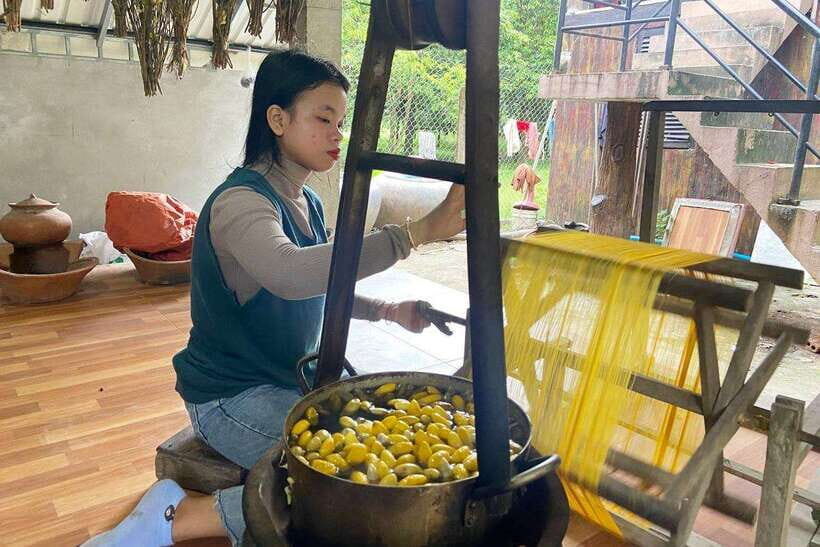
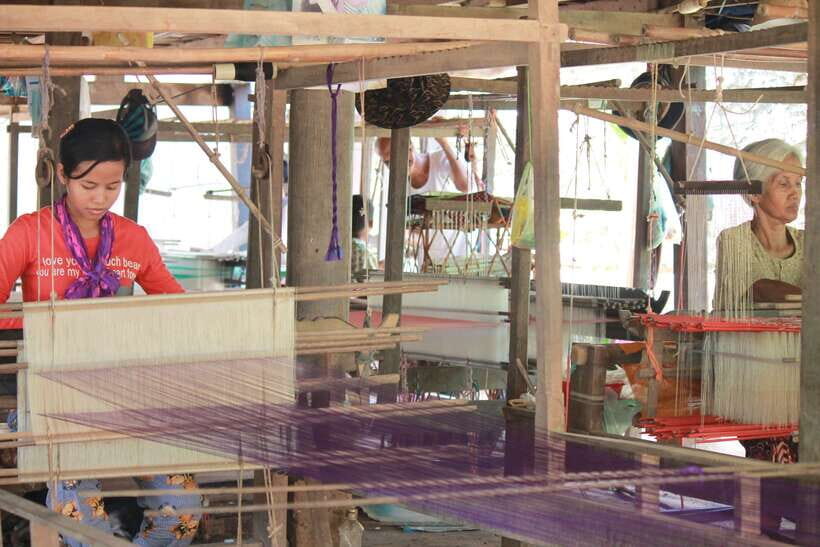
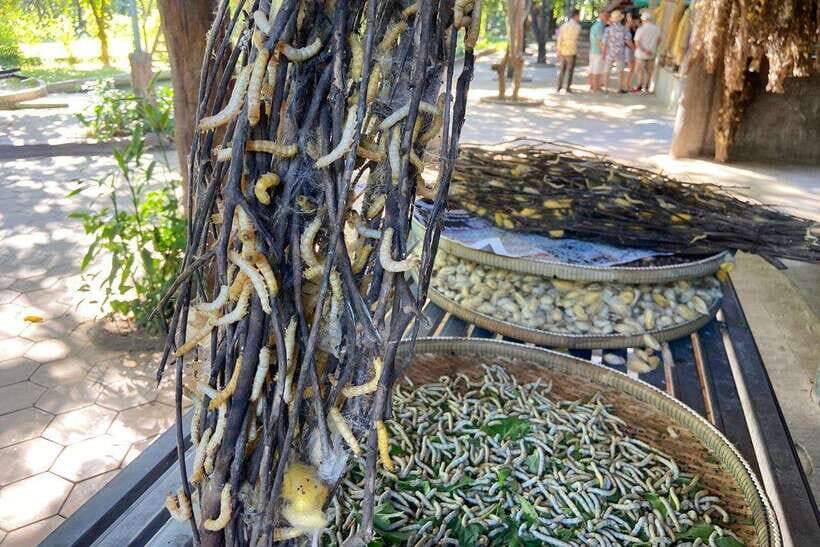
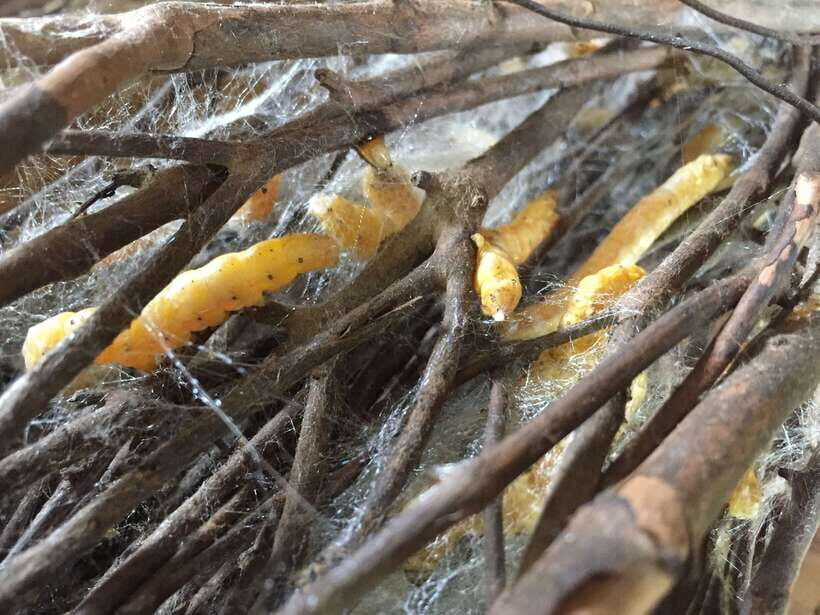
The main learning highlight is the silk production process, explained from the start. Your guide takes you through how silk begins with the caterpillars (silkworms) and then moves toward the main silk products.
This is the part of the tour that many people remember because it’s visual and process-based. You’re not only told that silk is made with patience. You see the steps and you learn what each stage contributes, from early stages to the final product.
You also get time connected to what people produce. You may have the chance to see items made on site, including scarves and clothes. This matters for two reasons:
1) it shows the end result of the whole process
2) it gives you an easy place to support the craft directly if you want souvenirs
Guide Quality: Strong English Turns the Day Into a Real Lesson
The tour’s biggest strength is the guide. The English level is a standout, and the best part is the way guides translate big ideas into simple scenes.
Names that come up in guides include Vuthy, Daniel, and David. Each guide brings a slightly different flavor, but the consistent theme is clarity and enthusiasm. For example, Vuthy is noted for giving explanations on Buddhism and the area, and also for keeping the ferry time informative. Daniel is described as offering in-depth cultural and religious context before the silk process. David is credited for strong guiding and clear explanations.
You’ll also benefit from how guides handle the small, practical details that make a short tour smoother. With only four hours total, there’s little room for confusion, so a good guide who can keep everyone on track really matters.
Other guided tours in Phnom Penh





Transport, Comfort, and the Heat Factor
For a half-day outing in Phnom Penh’s weather, the included comfort pieces help a lot. Hotel pickup and drop-off are included, and you’ll ride in an air-conditioned vehicle.
Then there are the drinks. You get unlimited water, soft drinks, and beer on the vehicle. That sounds like a small perk, but in warm weather it changes how you feel on the day. You spend less time hunting for hydration and more time paying attention.
One more transport detail: some people expect a car and instead find a tuk tuk style vehicle. That’s not a deal-breaker, but it can be confusing at the start. If you’re picky about vehicle expectations, keep a flexible mindset and focus on comfort once you’re seated. Also, because you’ll be moving between vehicle and ferry, keep your essentials in a pack you can manage quickly.
Value Check: Is $48 Reasonable for What You Get?
At $48 per person for a four-hour guided tour, you’re paying for the combo: temple entrance, a licensed English-speaking guide, the ferry round-trip, and included drinks.
Here’s how that can feel like good value:
- The guide isn’t only narrating the ride; you get explanations before silk-making starts.
- Ferry and entrance are included, so you’re not hit with extra line-item costs on the day.
- Unlimited drinks reduce everyday spending during the hottest part of the afternoon.
The main drawback for some people is the feeling that it can be a bit expensive for a short duration. That’s fair to consider, because the day is quick and you won’t see everything Phnom Penh offers. But if your priority is a structured cultural experience that connects Buddhism and a real craft, the price-to-content ratio works.
Also note: no meals are included. Some guides may offer small snacks if they think you’ll need them, but you shouldn’t count on that. If you’re hungry, plan your timing and eat before you go or grab food after you return.
What I’d Pair This With in Your Phnom Penh Plan
If you’re staying in Phnom Penh and want one focused half-day excursion, this fits nicely between longer sightseeing blocks. It’s a good choice when you want:
- a temple stop that comes with context
- a short ferry ride that adds a sense of place
- craft education you can actually see and understand
If you’re also planning markets and major city monuments, this tour works as a calmer, more human-scale day. It helps you balance what you see: big landmarks one day, everyday work and belief the next.
Who This Tour Suits Best (and Who Should Skip It)
This tour is a strong match if you:
- want English commentary that turns stops into learning
- like artisan crafts and hands-on explanations
- prefer a short schedule (about four hours) over a full-day commitment
- enjoy seeing how communities live, including school and crops (when the schedule allows)
You might want to reconsider if:
- you dislike any stepping up/down from boats or changing vehicles
- you’re only interested in major monuments and aren’t drawn to village or craft explanations
- you expect a meal to be included (it isn’t)
Should You Book the Phnom Penh Silk Island Half-Day Tour?
If you want a structured cultural lesson that ties Buddhism, village life, and silk production into one short outing, I think this is worth booking. The guide quality in particular is the part that turns it from a simple trip into something you can understand and remember.
I’d still go in with realistic expectations: it’s half-day, it can involve a bit of fiddly boarding, and there’s no meal included. If you can handle that, you’ll leave with a clearer sense of how silk is made and how the island community lives beyond the postcard angle.
If your goal is one efficient “do it right” experience from Phnom Penh, this tour fits the bill.
FAQ
How long is the Phnom Penh to Silk Island tour?
The tour lasts about 4 hours.
How much does the tour cost?
The price is $48 per person.
What major places do you visit?
You visit a Golden temple built in 1928, then take a ferry to Silk Island, explore the island’s village life, and visit the silk farm community.
Are ferry rides and entrance fees included?
Yes. Return ferry trips and entrance fees are included.
What do you learn about during the silk farm visit?
You learn about the processing of silk production, from caterpillars to the main products.
What’s included for drinks?
Unlimited water, soft drinks, and beer are included on the vehicle.
Are meals included?
No. Meals are not included.
Is there a school stop?
You may see children at school, but it’s subject to the school schedule.
Is the tour affected by rain, and can I cancel?
The tour runs rain or shine. You can cancel up to 24 hours in advance for a full refund.
Are pets allowed?
No, pets are not allowed.