REVIEW · PHNOM PENH
Phnom Penh Silk Island Bike Tour/ E-Bike or Tuk Tuk
Book on Viator →Operated by Siem Reaper Travel - Phnom Penh Day Tours · Bookable on Viator
Silk Island starts with a ferry and a bike. This half-day ride trades Phnom Penh street noise for quiet Mekong backroads, orchards, and market gardens, guided by locals like Sok who keep the group together and explain what you’re actually seeing.
I especially like the mix of flat cycling plus ferry hops, because it feels like real travel in the Phnom Penh river world, not a checklist. I also like that the tour bakes in silk weaving and small-area life, so you’re not just passing scenery—you’re learning how craft and farming work out there.
The one catch is timing. If you book an afternoon departure, you may end up riding back in darkness, and some bikes may not have lights or reflectors.
In This Review
- Key things that make this tour worth your morning
- Where the Silk Island tour fits in your Phnom Penh trip
- Meeting at Siem Reaper and getting rolling by 7:30
- The bike choice and comfort tips that actually matter
- Ferry to Silk Island: why this route feels like river life
- Silk weaving at the Silk Island Community Center
- Beyond silk: tofu skin, markets, and local temple time
- The return ride and the “darkness” warning
- Guides, pacing, and how they handle different rider levels
- What’s included for $35 and what you should budget for
- Who should book this bike tour, and who should skip it
- Should you book this Phnom Penh Silk Island tour?
- FAQ
- How much does the Phnom Penh Silk Island bike tour cost?
- How long is the tour?
- Do they pick you up from your hotel?
- What is included in the $35 price?
- Is there a non-biking option if I cannot ride the full distance?
- Are entrance fees included for all stops?
Key things that make this tour worth your morning
- Small group size (max 12): easier pacing, more guide attention, and fewer long waits.
- Local guide energy (example: Sok, Kim, Nuth, Seer): clear English and practical route guidance.
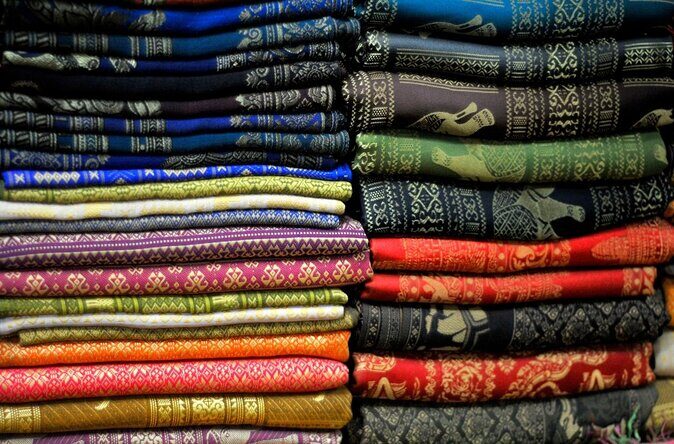
- Silk weaving stop: you get to see how Cambodian silk work is practiced on Silk Island.
- Ferry crossing included: you don’t have to figure out river logistics.
- Options for different ability levels: there’s a tuk-tuk choice for people who don’t want to ride the whole distance.
- Bring comfort gear: a request for a padded seat can make a big difference on longer stretches.
Where the Silk Island tour fits in your Phnom Penh trip
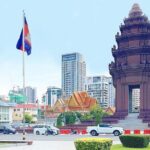
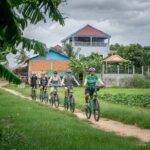
This is a smart half-day escape if you want a more local Phnom Penh experience without losing your whole day. You’ll start in the city, then transition to rural Phnom Penh farmlands and orchards, with ferry crossings that make the route feel like it belongs to the Mekong rather than a day trip that’s just “outside town.”
At about 4 hours 30 minutes, it’s long enough to feel like an adventure, but short enough to still have energy for Phnom Penh’s evening plans. The tour also has a clean structure: city meet-up, bike fitting, then cycling and island stops, and finally returning to Phnom Penh.
Value-wise, I like how much is bundled. For $35 per person, you’re getting a bike and helmet, an English-speaking guide, ferry crossing fees, bottled water, and snacks, plus hotel pickup and drop-off. That matters in Phnom Penh, where the “how do I get there” part can eat time and money fast.
Other tuk-tuk tours we've reviewed in Phnom Penh


Meeting at Siem Reaper and getting rolling by 7:30

The tour meets at Siem Reaper Travel – Phnom Penh Bike Tours & Food Tours at 7:20 am. They leave the shop at 7:30 am sharp, after a quick bike fitting and briefing.
That early start is practical. You get light traffic on the way out, more comfortable temperatures for cycling, and enough time to enjoy the stops without rushing. The bike fitting part is also more than a formality. Reviews highlight that bikes are in good condition and can be adjusted for different heights, so you’re not stuck riding with an awkward reach.
If you’re a little nervous about biking in a city, take comfort from how the guides run the day. Multiple guides were praised for staying organized, keeping the group together, and supporting riders at different levels. You’ll still do real cycling, though, so it helps to be mentally ready for a longer effort than a casual loop.
The bike choice and comfort tips that actually matter
You’ll ride a Trek mountain bike with a helmet provided. For comfort, I strongly recommend you ask about a padded seat if you’re sensitive to saddle time. One rider specifically called out that this request can make the ride much easier.
Also, don’t assume the bike setup is identical across everyone. Even though the bikes are supposed to fit different riders, road feel depends on saddle position and your own body. A quick check right after fitting pays off: height, reach, and brake confidence before you roll out.
About distance: the ride can add up. One review described it as 15 miles plus for the bike option, which is a big deal for planning. If you’re choosing the bike, treat it like a workout with scenery and stops, not a slow glide.
And if rain is a possibility, be ready. There was at least one mention of torrential rain, with rain gear offered during the day. If the forecast looks rough, pack light rain protection anyway, since wet roads change comfort fast.
Ferry to Silk Island: why this route feels like river life
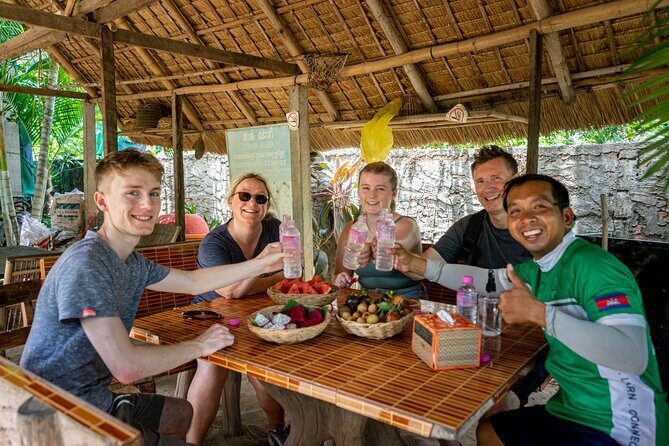
One of the best parts of this tour is the way you move through the Mekong system using ferries. You board the ferry after meeting the group, then you cycle through the countryside and farming villages once you arrive.
Ferry crossings aren’t just a transport detail here. They change the rhythm of the day. You get breaks from pedaling, a chance to reset, and quick views of the river world that you simply don’t get if you stay on land roads.
In practice, the number of ferry stops can vary with the day and schedule. One rider mentioned multiple ferry crossings (four) on a later departure in tough weather. So plan your expectations around “ferry hops” rather than “one ferry and done.” The good news is ferry logistics are handled for you, since ferry crossing fees are included.
If you’re worried about coordination, you can relax. Reviews praise that ferries don’t turn into chaos, with the group guided smoothly and with minimal waiting.
Silk weaving at the Silk Island Community Center
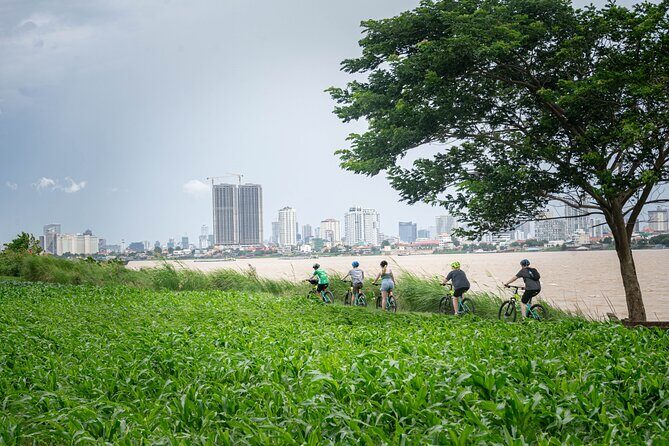
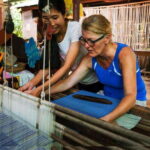
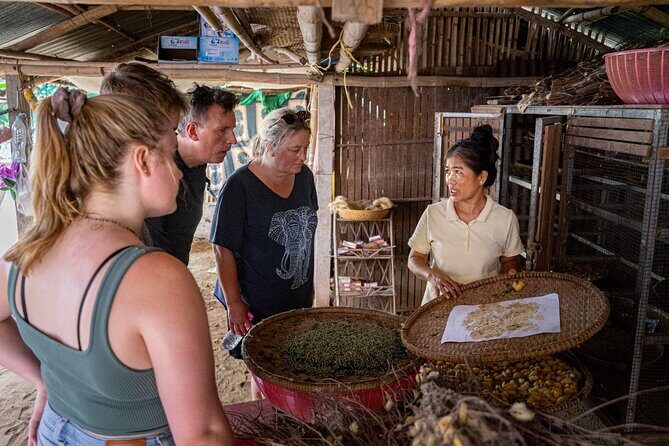
The standout cultural stop is the Silk Island Community Center, where you learn about the history and craft of silk weaving from local villagers. This is the part that makes the tour feel grounded, because you’re not just buying souvenirs—you’re seeing how the work is made and passed on.
I’d go in with a curious mindset. Ask what part of the process they’re most proud of, how long the weaving tradition has been practiced, and what they wish visitors understood before buying. You’ll likely come away with a better sense of why silk craft is slow work and why quality matters.
There’s also a shopping element. Some riders say the weaving goods are beautiful and can be hard to choose from. The key is attitude: you can treat the shop as a chance to support the craft, not as a pressure sales moment. One review noted there was no obligation to buy, which is how it should feel when you’re there to learn.
If you’re sensitive about spending, decide your budget before you step in. Then enjoy the visuals and explanations without turning it into an impulse-shopping sprint.
Other Silk Island tours we've reviewed in Phnom Penh

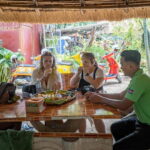
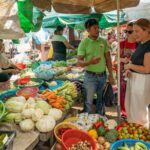
Beyond silk: tofu skin, markets, and local temple time

Even though silk weaving is the core “signature” stop, your day often includes a mix of rural Phnom Penh experiences like markets, a temple visit, and food or craft-related stops. Reviews mention stops connected to tofu skin production, plus market time and a Buddhist temple stop (including the Golden Pagode being referenced).
Why this mix works: it keeps the day from becoming only “rural driving with one cultural stop.” You get more angles on how people live—food processing on one stop, craft on another, and everyday village scenes between.
The tofu skin stop, in particular, was described as an eye-opening visit to a family-run business with long generational knowledge. If that kind of “how it’s made” tour fits your travel style, you’ll likely enjoy it.
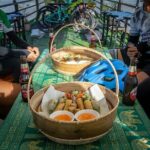
And markets matter too, because they show what people buy and eat right now, not just what survives as a tourist artifact. If your guide offers fruit or snacks during these pauses, take them. Reviews mention fresh fruit and snacks, plus water kept on hand through the ride.
The return ride and the “darkness” warning

Most morning departures are planned to get you back to Phnom Penh around 12:30 pm. That timing is ideal for pairing this tour with a later meal, museum time, or a relaxed afternoon.
If you pick an afternoon slot, keep one specific consideration in mind: the ride can bring you back after dark. One review warned that some bikes may not have lights or reflectors, which is a safety and comfort issue, not just an inconvenience.
So if you choose the afternoon option, bring your own small safety tools. A compact headlamp and reflective item can turn a stressful return into a normal one. And wear something light-colored if you can.
Also remember: wet weather can make roads slick. The day can still be fun, but your comfort depends on visibility and tire traction.
Guides, pacing, and how they handle different rider levels

The guide quality is a big part of why this tour scores so high. Names like Sok, Kim, Nuth, and Seer show up repeatedly, and the pattern is consistent: clear English, frequent check-ins, and a pace that fits the group.
Pacing is especially important because this is “urban to rural” cycling. You start in city areas, then move to quieter roads and village lanes. That transition can feel like a lot in a short time, and a good guide helps you settle into the day.
What I like most is how the guides support different ability levels. Multiple reviews mention a tuk tuk option for riders who don’t want to do the full ride, and one rider noted that another vehicle option like a Vespa ride was offered to someone who opted out. Translation: the day can still work for people who want the sights without committing to the full mileage.
What’s included for $35 and what you should budget for
Included:
- Hotel pick-up and drop-off
- Trek mountain bike and helmet
- English-speaking guide
- Ferry crossing fees
- Bottled water and snacks
Not included:
- Personal expenses (standard)
- Admission ticket at the first stop is not included (shown as “admission ticket not included” for the meet stop)
The rest of the key stops are marked as free admissions for the segments tied to Silk Island and the community center. If you’re someone who hates surprise costs, this tour is pretty predictable: the big transport and guiding costs are covered, and you’re mostly choosing whether you spend on crafts or snacks beyond what’s included.
Who should book this bike tour, and who should skip it
Book this if you want:
- A half-day way to see rural Phnom Penh without a long bus ride
- Cycling plus ferry time, which makes the day feel local
- A real craft visit focused on silk weaving
- A tour with a small group and guide support
Consider skipping (or choosing the tuk tuk alternative) if:
- You don’t want a ride that can reach 15 miles plus
- You’re sensitive to cycling time in wet or hot weather
- You need night-time cycling that feels fully controlled by lights (especially on afternoon departures)
If you’re traveling with mixed experience levels in your group, this is a good choice because options exist and the guides are trained to manage different riders.
Should you book this Phnom Penh Silk Island tour?
Yes, if you want a practical, guided half-day that mixes city edges with Mekong island craft. The value is real for the money because pickup, bike, helmet, ferry fees, and snacks are already in. The cultural pay-off is also strong because silk weaving isn’t treated like a quick photo stop—it’s a real craft explanation time.
My quick decision rule:
- Choose it for a morning slot if you want the safest, most comfortable timing.
- If biking distance scares you, plan on the tuk tuk option and still enjoy the stops.
- Bring a light rain layer and consider a padded seat request so your comfort stays high.
If that sounds like your kind of day, this is an easy yes.
FAQ
How much does the Phnom Penh Silk Island bike tour cost?
It costs $35.00 per person.
How long is the tour?
The duration is about 4 hours 30 minutes, and the morning tour is expected to return to Phnom Penh around 12:30 pm.
Do they pick you up from your hotel?
Yes. Hotel pick up and drop off are included.
What is included in the $35 price?
You get a Trek mountain bike and helmet, an English-speaking guide, ferry crossing fees, bottled water, and snacks.
Is there a non-biking option if I cannot ride the full distance?
Yes. There is a tuk tuk option mentioned, and in at least one case an alternate ride like a Vespa was offered to someone who opted out.
Are entrance fees included for all stops?
Ferry and transport-related costs are included, and Silk Island and the Silk Island Community Center admissions are listed as free. The first stop has an admission ticket not included note, so you may have some costs there.