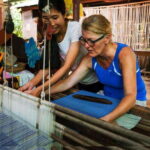
Silk, tofu, and tuk-tuk rides take you off roads. This half-day escape from Phnom Penh takes you to the Mekong area, then by ferry to Silk Island, where rural village life and traditional craft are the main event. You’ll move at a local pace with a guide and plenty of breaks to snack and cool down.
I especially like the small group size and the way the stops actually feel personal, not rushed. I also love the craft focus, from tofu-skin making and market sampling to watching silk weaving up close at Heng Naysim Traditional Cambodian Weaving House.
One consideration: this is a half day, but you still cover ground. Plan for some walking between families and workshops, so bring comfortable shoes and expect a bit of uneven paths.
In This Review
- Key takeaways before you go
- Tuk-tuk to Silk Island: why this feels different from a city tour
- The 4.5-hour rhythm: timing that actually works
- From pickup to the river: the practical side of getting out of town
- Mekong Silk Island: ferries, village sights, and a calmer view of Cambodia
- To round out the story: tofu-skin making and market snacks
- Heng Naysim weaving house: watching silk production in real time
- Your guide matters: names you might meet and what to ask
- Snacking, cooling breaks, and keeping the day comfortable
- Price check: what $29 buys you (and where you might spend extra)
- Who should book this tour—and who should pick a different one
- Should you book the Phnom Penh to Silk Island tuk-tuk tour?
- FAQ
- How long is the Phnom Penh to Silk Island tuk-tuk tour?
- How much does the tour cost?
- Is hotel pickup and drop-off included?
- How many people are in the group?
- Is the tour suitable for most people?
- What’s included, and what isn’t?
- Can I cancel for a full refund?
Key takeaways before you go
- Hotel pickup and drop-off keeps the logistics simple in Phnom Penh
- Multiple ferry trips make the trip part scenery, part story
- Local guide in English means you get explanations that go beyond the basics
- Tofu-skin + silk weaving gives you two real “how it’s made” moments
- Admissions are not included for the Silk Island and weaving-house stops
- Max 12 people helps keep the vibe relaxed and question-friendly
Tuk-tuk to Silk Island: why this feels different from a city tour
Phnom Penh can be intense—traffic, honking, heat, and that “always going” feeling. This is a practical way to step out of that rhythm without turning your day into a long, exhausting commute. The tuk-tuk route gets you moving fast, and then the ferries slow everything down just enough for you to look around.
What makes this experience click is the mix of living culture and working craft. You’re not just seeing a finished product; you’re getting the steps—how tofu skins are made, how silk is woven, and how village communities keep traditions going while producing things people can buy.
Also, the tour is paced for a half day. You’ll get guided context at each stop, plus enough time to ask questions and watch rather than snap photos and run.
Other tuk-tuk tours we've reviewed in Phnom Penh



The 4.5-hour rhythm: timing that actually works
The total duration is about 4 hours 30 minutes, which is ideal if you want “something meaningful” without eating your whole day. Hotel pickup and drop-off are included, so you avoid the common Phnom Penh problem of spending your morning negotiating transport.
The schedule flows like this: you leave the city by tuk-tuk, then you board a ferry to the island area. Once there, you visit craft sites and village sights, with short breaks for snacks and cooling drinks. It’s not a strict “one stop every 10 minutes” kind of tour. In fact, the reviews point out the pace is chill—exactly what you want if you’re here for texture, not a checkbox list.
If you’re the type who gets antsy when you’re not constantly moving, you might wish the stops were longer. But if you like breathing room, this pacing is a sweet spot.
From pickup to the river: the practical side of getting out of town
Pickup starts in Phnom Penh and you’ll be taken out of the city by tuk-tuk. That matters more than it sounds. You’re swapping a lot of city noise for roadside life and river air—plus the guide keeps you oriented, so you’re not sitting in the back wondering what you’re looking at.
You also get cold water and local snacks during the tour. This is a small inclusion that changes the whole experience. In Cambodia’s heat, “we’ll eat later” tours can feel rough. Here, the stops and breaks are built around the day you’re actually having.
Group size is capped at 12 travelers, which helps the driver and guide keep things organized—especially if someone needs a slower walking pace.
Mekong Silk Island: ferries, village sights, and a calmer view of Cambodia
The big transportation moment is the ferry ride to Silk Island. You’ll board the ferry after leaving Phnom Penh city, then arrive in a more rural setting where you can see daily life and farming villages more clearly than from the city.
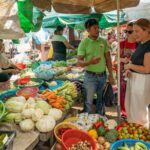
On the island side, the sights included are built around real locations and everyday scenes: farming villages, a local market, and Buddhist temples. You’re not just looking at buildings—you’re seeing how food, religion, and work connect in the same spaces.
One note for your budget: the Silk Island stop has admission tickets not included. You’ll want to have some cash ready for that, plus any small purchases you decide to make (like snacks or items crafted on-site).
To round out the story: tofu-skin making and market snacks
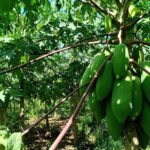
Several guides and craft stops emphasize tofu skins (sometimes described as tofu skin workshops or tofu skin production). If you’re curious about how something common becomes a special ingredient, this is the moment that tends to surprise people—because it’s usually not what you picture when you hear Cambodia and silk.
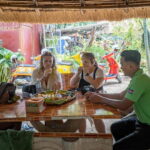
Expect an experience that’s part food production, part cultural explanation. You’ll also get snack breaks that may include market fruit, coffee, and rice snacks, depending on what’s available at the time.
This is one of the best values of the tour because it’s not just viewing. You’re getting the “how it’s made” feeling twice: once on the tofu-skin side, and then again for silk weaving.
Other Silk Island tours we've reviewed in Phnom Penh


Heng Naysim weaving house: watching silk production in real time
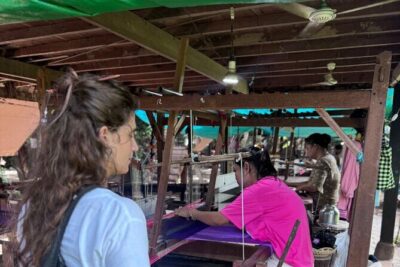
The silk stop is at Heng Naysim Traditional Cambodian Weaving House. This is where you get the deeper craft-focused part of the day—watching silk weaving and learning how it’s made in Cambodia.
The guide explanations matter here. Multiple English-speaking guides used on this tour are praised for explaining the process in clear, engaging ways, and you’ll feel it most during the weaving demonstration. It turns silk from a luxury word into something practical: raw materials become thread, thread becomes fabric, and fabric becomes product through steps you can actually observe.
One of the standout details in the feedback is that you may hear silk weaving described as a multi-generation tradition. You’ll also likely get the chance to talk with the people doing the work and ask how long they’ve been involved.
Just like the Silk Island stop, admission at the weaving house is not included, so budget for tickets if you want to enter.
Your guide matters: names you might meet and what to ask
This tour runs with a professional English-speaking guide, and different groups are led by people such as Tin Tin, Kim, Lee, Sok, Nuth, and Samanag. Regardless of the name, the common thread is a friendly style with real explanations—plus a sense of humor that keeps the trip from feeling like a lecture.
If you want to get the most out of your time, here are a few smart questions to ask:
- How is silk collected or prepared before it becomes thread?
- What does the weaving process take in day-to-day labor terms?
- What do local families earn from the craft, and how do they balance tradition with modern life?
- How do they decide what to sell and what stays for local use?
The best guides will turn your questions into mini-lessons, and the whole day becomes more than “watching someone work.”
Snacking, cooling breaks, and keeping the day comfortable
The tour includes cold water and local snacks, and that’s a big quality-of-life win. Several comments highlight fruit from the market and frequent small breaks, which helps the half day feel relaxed rather than urgent.
There’s also a practical rhythm to these kinds of village craft tours: you’ll be moving between workshops and homes, then stopping to watch and listen. That’s not a problem, but it does mean your body does some work even if the pace feels calm. Wear shoes that handle uneven ground.
One more comfort tip: bring a light layer. Even in a hot season, river areas can feel cooler and breezy, especially during ferry crossings.
Price check: what $29 buys you (and where you might spend extra)
At $29 per person, this is positioned as a value-heavy cultural craft outing. The included basics are meaningful: hotel pickup/drop-off, an English-speaking guide, cold water and local snacks, and ferry trips to the island. Those add up fast if you tried to piece it together on your own in Phnom Penh.
The items that aren’t included are admissions at the Silk Island and weaving house stops, plus personal expenses. So your final total depends on tickets and any purchases you decide to make.
In practice, that trade-off is reasonable. You’re paying for transport, guide time, and the ferry crossings—then paying small on-site fees for the specific entry points. If you prefer tours where everything is bundled into one set price, you’ll want to confirm the likely ticket costs before you go. If you’re okay with a bit of on-the-ground spending, the $29 price is a strong entry point.
Who should book this tour—and who should pick a different one
This tour is ideal if you want:
- a short, rural-feeling outing from Phnom Penh
- real craft watching (tofu skins and silk weaving)
- a guide-led explanation with a small group vibe
- a practical half day that doesn’t demand an all-day commitment
It may be less ideal if you:
- hate walking between multiple family-run stops
- want a “big attraction only” itinerary with long stays at major sites
- dislike tours where part of the day involves paying admissions at locations
One more point: if you’re traveling with someone who needs a slower pace, choose shoes and give yourself extra time between stops. Some guides do a good job making sure people can participate comfortably.
Should you book the Phnom Penh to Silk Island tuk-tuk tour?
I’d book it if you want a genuine craft-focused half day that gets you out of Phnom Penh traffic and into working village life. The value is strongest when you care about seeing processes—how silk is woven and how tofu skins are made—rather than just collecting photos.
Book it with realistic expectations: you’ll spend time on ferries and you’ll move between stops. If you come prepared with comfortable shoes and a little cash for admissions, you’ll likely find it one of the best “local day” choices around Phnom Penh.
And if you’re deciding between “do nothing” and “do something,” this one is a solid bet. It’s short, it’s guided, and it gives you a different view of Cambodia than the city streets.
FAQ
How long is the Phnom Penh to Silk Island tuk-tuk tour?
It runs for about 4 hours 30 minutes.
How much does the tour cost?
The price is $29.00 per person.
Is hotel pickup and drop-off included?
Yes. Pickup and drop-off from your hotel in Phnom Penh are included.
How many people are in the group?
The tour has a maximum of 12 travelers.
Is the tour suitable for most people?
The tour notes that most travelers can participate.
What’s included, and what isn’t?
Included are hotel pickup & drop-off, a professional English-speaking guide, cold water and local snacks, and ferry trips to the island. Admissions for the Silk Island stop and the weaving house stop are listed as not included, and personal expenses are also not included.
Can I cancel for a full refund?
Yes. Cancellation is free, and you can cancel up to 24 hours in advance for a full refund. Canceling within 24 hours doesn’t receive a refund.