REVIEW · PHNOM PENH
Phnom Penh: killing field & Toul Sleng genocide museum Tour
Book on GetYourGuide →Operated by Phnom Penh Green Tours · Bookable on GetYourGuide
Genocide isn’t an easy way to spend a morning. This Phnom Penh half-day tour pairs Tuol Sleng (S21) and the Killing Fields with an English-speaking guide to help the exhibits make sense.
I like the practical setup: hotel pickup and drop-off plus air-conditioned transport means you’re not figuring out logistics on a heavy day.
What really makes it work is the human context. Many guides, including people like Net and Ran (among others), explain the Khmer Rouge system and then connect it to real life through personal memories and family stories. One consideration: the tour price does not include site entry, so you’ll still need to budget the $8 cash entrance fees for Toul Sleng and the Killing Fields.
In This Review
- Key Points Before You Go
- Price and Logistics: Know the True Total Up Front
- Getting Ready: Dress Code, Shoes, and Cash for S21 + Choeung Ek
- Dress code
- Shoes
- Entrance fees
- The Real Value: Why an English Guide Changes Everything Here
- How the 4 Hours Work: S21 First, Killing Fields Second
- Tuol Sleng (S21) in 1.5 Hours: What You’ll See and What to Focus On
- Small practical note
- Choeung Ek (Killing Fields) in 1.5 Hours: The Memorial Space and the Mass Graves
- The Human Moment: Meeting a Survivor or Buying a Book
- Getting Through the Day: Comfort Tips for a Very Heavy Morning
- Who This Tour Is Best For (and Who Might Skip It)
- Should You Book Phnom Penh Green Tours for S21 + Killing Fields?
- FAQ
- How long is the tour from start to finish?
- Which places are included?
- Is hotel pickup and drop-off included?
- Is the tour price all-in, including entrance fees?
- How much are the entrance fees?
- Do I need cash for entrance tickets?
- Is an English-speaking guide provided?
- Are shoes allowed at the sites?
- What should I wear?
Key Points Before You Go
- Two major sites, one tight route: S21 first, then Choeung Ek, in about 4 hours total.
- English guides that answer questions: expect clear explanations and time for follow-ups.
- Firsthand stories from Cambodian guides: you may hear personal family experiences tied to the regime.
- Comfort matters, even on a somber day: you get a/c transport and cold water.
- Strict rules at both locations: shoes off, and dress code means knee and shoulder coverage.
- You might meet a survivor: some groups are encouraged to meet a survivor and buy a book from them.
Price and Logistics: Know the True Total Up Front
The headline price is $19 for the tour, and that covers the things you’d otherwise have to solve yourself: an English-speaking guide, a driver, clean air-conditioned vehicle, and cool water during the ride. It also includes the comfort-factor of hotel pickup and drop-off in Phnom Penh.
But here’s the catch: entrance tickets are extra. You’re looking at $5 per person for Toul Sleng (S21) and $3 per person for the Killing Fields (Choeung Ek). That’s $8 total, and you need to bring it in USD cash. So your real all-in cost is closer to $27 per person, depending on how the tour is priced when you book.
Is it still good value? Yes—because these places are hard to interpret alone. A guide can help you understand what you’re seeing in the buildings, why the memorials look the way they do, and how the Khmer Rouge system worked. For most people, that context is worth every dollar.
Other Killing Fields tours we've reviewed in Phnom Penh
Getting Ready: Dress Code, Shoes, and Cash for S21 + Choeung Ek
This tour has a clear “prepare first, then pay your respects” vibe. Plan your clothing and your wallet before you head out.
Dress code
You must cover shoulders and knees. This matters at both locations. If you show up wearing shorts or a tank top, you may need help getting covered on site, so it’s easier to wear long pants and a top with sleeves.
Shoes
Shoes are not allowed. You’ll want to wear something you can take off quickly and put back on without turning your morning into a shoe-management challenge.
Entrance fees
Bring USD cash: $8 per person. The tour price doesn’t include entry, so don’t rely on card payments unless the sites tell you otherwise (this tour data specifically calls for cash).
If you want an extra layer of comfort, bring a small layer you can wear if it gets chilly inside museums or if the day is windy on the walkways outside.
Other Tuol Sleng (S-21) tours we've reviewed in Phnom Penh
The Real Value: Why an English Guide Changes Everything Here
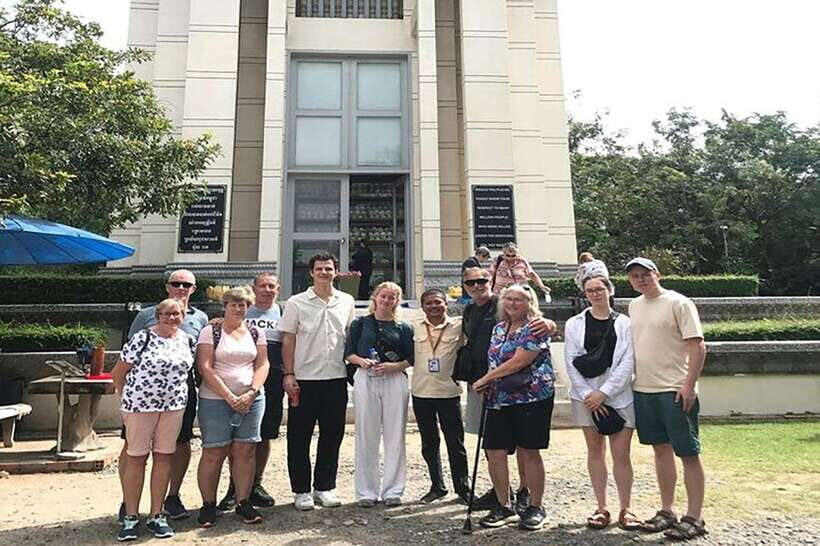
These sites are not built to be “just photo stops.” Tuol Sleng and the Killing Fields are designed to force memory, not entertainment. That’s exactly why a guide helps so much.
A big theme you’ll notice from many guide experiences is how they handle the story with care. Guides often explain the larger timeline—how the Khmer Rouge gained power and what the detention system was meant to do—then they translate what you see into something you can emotionally and intellectually hold.
Even better: several guides include personal connections. People such as Chanrouen, Yusef, Sum, Chamrouen, and others named in group experiences have described their own childhood experiences or family losses connected to this period. Hearing that doesn’t make it lighter. It makes it clearer. History stops being a distant word and becomes a lived reality.
If you’re the type of traveler who asks questions, you’ll likely appreciate this format. The tour is built around interpretation, not silent wandering.
How the 4 Hours Work: S21 First, Killing Fields Second
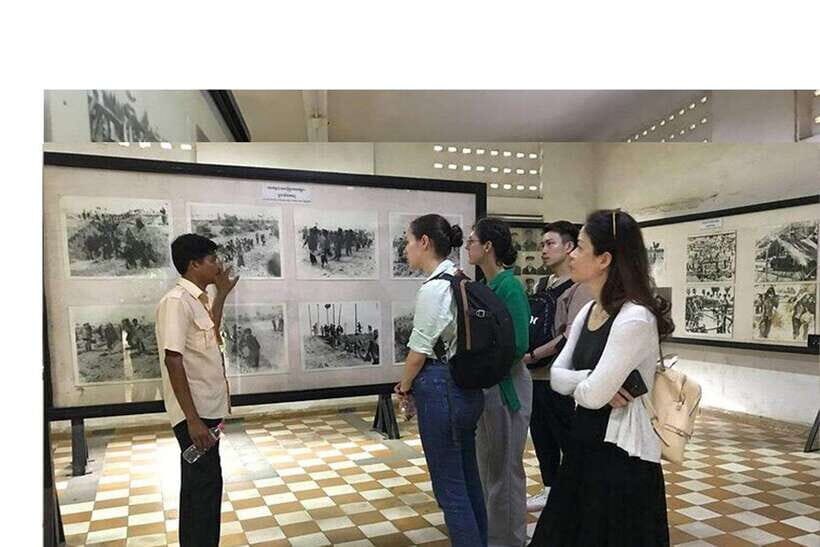
The schedule is simple: you start at Tuol Sleng Genocide Museum (S21) and then head to Choeung Ek, the Killing Fields memorial area. The total time is about 4 hours, with roughly 1.5 hours at each site.
S21 is in central Phnom Penh, and Choeung Ek is outside the city—one account notes it’s about 15 km from Phnom Penh. That distance is why the day feels like a “half-day plan” rather than something you’d stitch together on your own.
Also, this order matters. You’ll see the processing and imprisonment machine first at S21, and then you’ll move to the mass graves and memorial space at Choeung Ek. Doing it in this sequence helps the story connect more naturally.
Tuol Sleng (S21) in 1.5 Hours: What You’ll See and What to Focus On
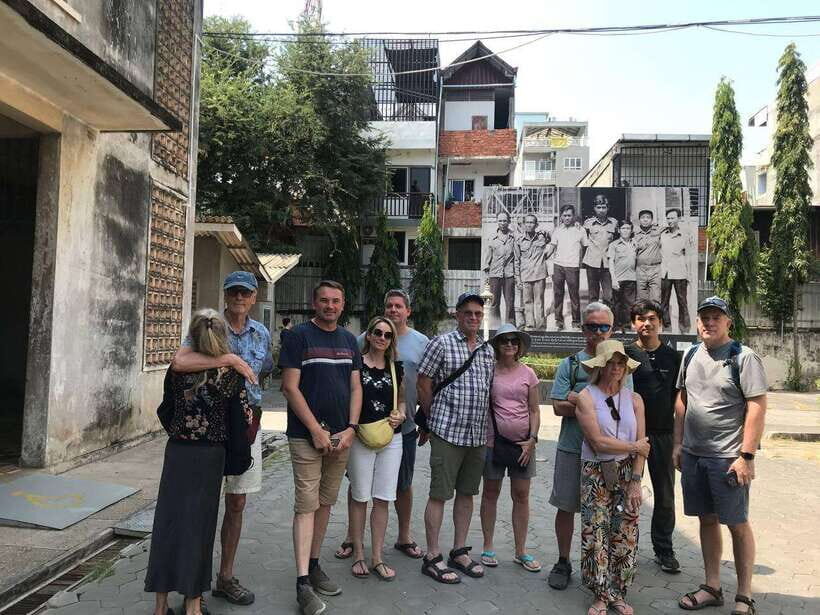
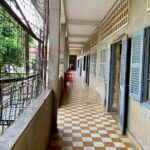
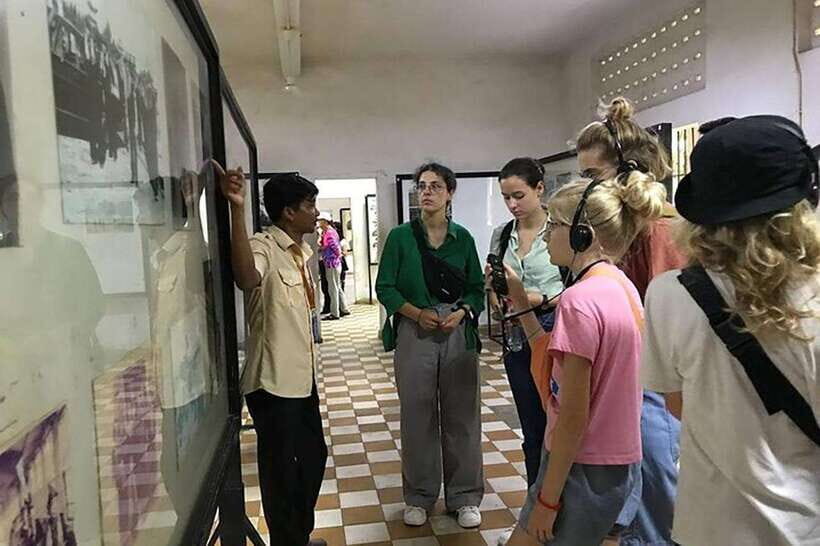
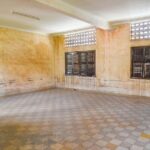
Tuol Sleng begins as a school and becomes a detention and interrogation center under the Khmer Rouge. That transformation is the first shock. You’ll walk through rooms that were designed for learning and then see how those spaces were repurposed for control, suffering, and imprisonment.
Plan to slow down. The value of the guide here is not rushing through “facts.” It’s learning how to read the place:
- What each section likely represented inside the system
- How prisoners were processed and categorized
- Why the museum layout is built to make you understand method, not just tragedy
You’ll have about 1.5 hours. That’s enough time to absorb the layout without feeling like you’re on a conveyor belt, especially because a guide can stop the group when something needs context.
Be prepared for an emotional mix of feelings: some parts can feel almost unreal, and not because they are graphically sensational, but because the ordinary setting makes the atrocities harder to process. One thing I’d underline: don’t try to “beat” the sadness with speed. Let your guide’s pacing set the rhythm.
Small practical note
You won’t be comfortable the whole time, and that’s normal. This tour does provide cool water, and the transportation is set up to keep you comfortable between sites, so you can focus on the meaning once you arrive.
Choeung Ek (Killing Fields) in 1.5 Hours: The Memorial Space and the Mass Graves
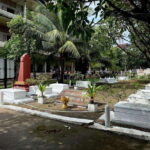
Choeung Ek is where the Khmer Rouge’s detention system meets its end. You’ll walk through the memorial area connected to the mass graves and the genocide memorial space.
This is where the tour turns from “what happened inside S21” to “what happened after people were taken.” The guide typically helps connect those dots—explaining how detainees were transported and how the killing fields functioned within the broader system.
What to focus on here:
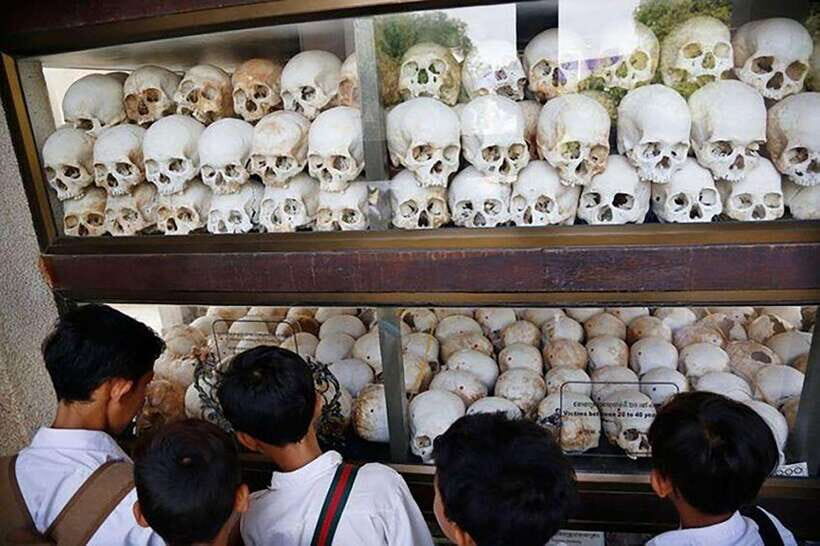
- The scale and layout of the memorials
- How the site communicates loss (not just information)
- Why silence at this place matters
Expect heavy visuals, even if you’re not searching for them. Multiple guides are described as handling sensitive topics with care, and that approach helps you avoid numbness. You’re not supposed to be numb. You’re supposed to understand and remember.
Also, if you’re the kind of traveler who likes small choices that feel meaningful, one account mentions a place to hang a bracelet as a tribute at the Killing Tree area. It’s optional, but it’s the sort of detail that can help you connect in a respectful way if that’s your style.
The Human Moment: Meeting a Survivor or Buying a Book
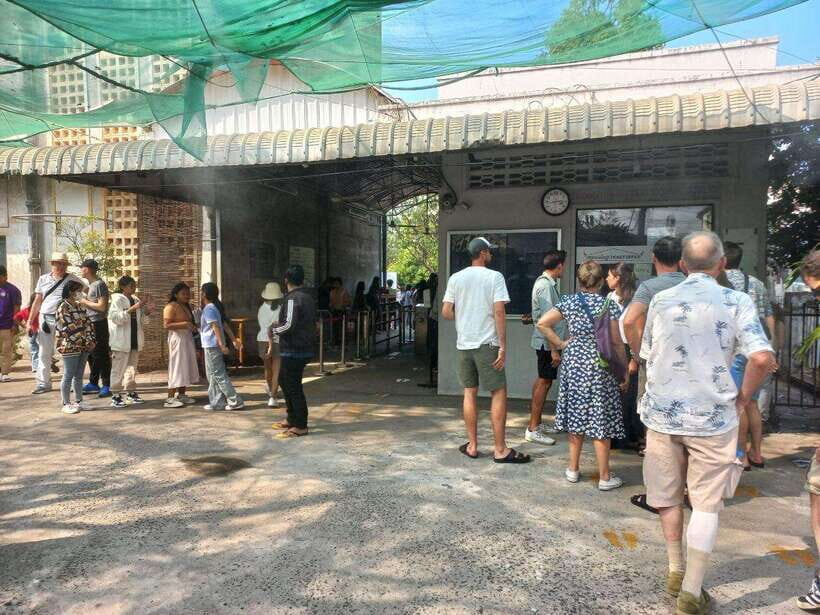
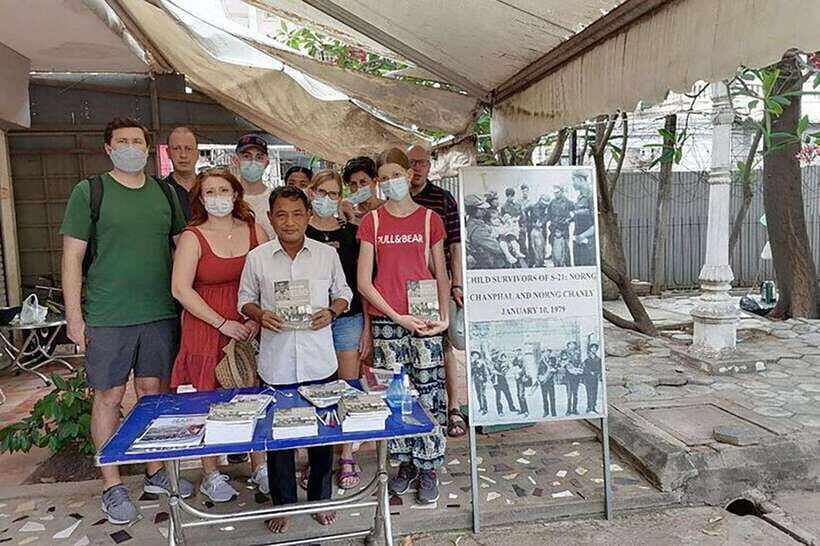
One part of some versions of this tour involves a survivor-related moment. At the end of the S21 portion (or in the overall flow), the guide may encourage the group to meet one of the still-living survivors and support them by purchasing a book—some experiences mention a book price around $10.
A survivor meeting isn’t something I’d treat as guaranteed every single day. But it does reflect what makes these guides so different from an audio guide: there can be a personal bridge between museum content and living memory.
If you do get that chance, keep your expectations respectful and your questions gentle. This is not a “debate the timeline” moment. It’s a moment to listen.
Getting Through the Day: Comfort Tips for a Very Heavy Morning
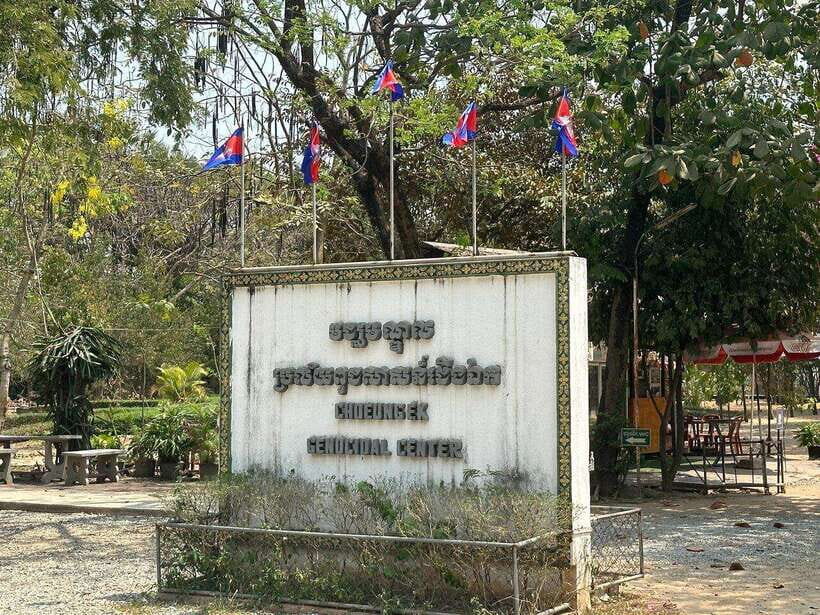
Even when the sites are the main event, the “how you get through it” matters. Here’s what helps based on what’s consistently set up in the experience.
- Use the AC ride to reset between sites. The vehicle is described as clean and comfortable, with cool water provided.
- Plan for the emotional load. This tour isn’t suitable for everyone in the moment; the subject matter is harrowing, and it’s normal if you find yourself mentally tired halfway through.
- Bring your entrance cash ready. Waiting to find bills when you’re already stressed is a bad start.
- Wear slip-on clothing that fits the dress code comfortably. You’ll be removing shoes, and you don’t want a fight with your outfit.
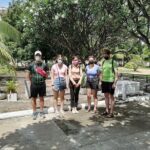
One more thing: groups can be small. Some accounts mention around 9 people, while others describe tiny groups. That smaller-group feel tends to make it easier to ask questions and hear the guide clearly.
Who This Tour Is Best For (and Who Might Skip It)
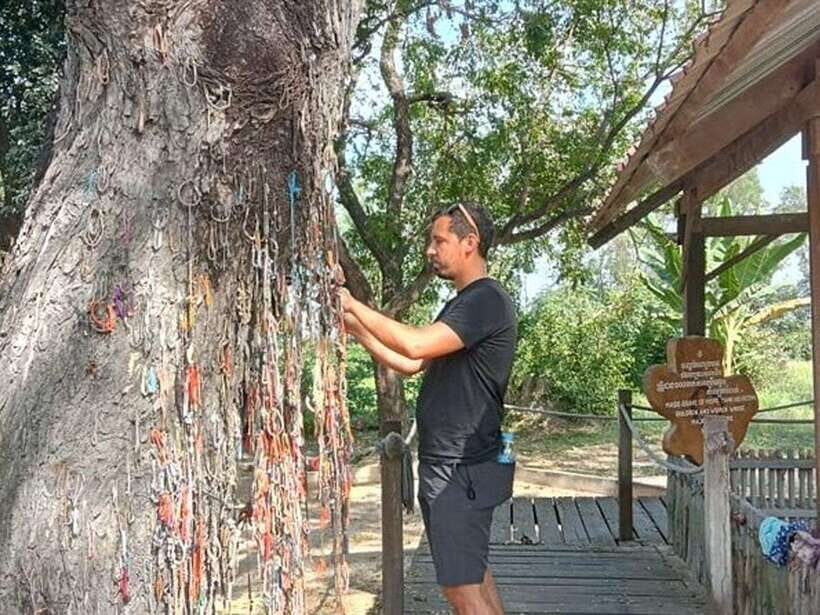
This tour is best if you want more than a surface-level history lesson. You’ll enjoy it most if you like:
- guided interpretation
- time to ask questions
- a straightforward route with clear pacing
It’s also a great choice if you’ve been reading about Cambodia and want the story to click into place. Many guides share context about how the Khmer Rouge gained power and how the regime impacted daily life, including personal accounts and family losses.
If you’re emotionally sensitive or hoping for a relaxing sightseeing day, this is not that. It’s also listed as not suitable for people over 95 years.
If you’re traveling with kids, consider carefully. The tour is not described as child-focused, and the subject matter is intense.
Should You Book Phnom Penh Green Tours for S21 + Killing Fields?
I’d book this tour if you want a guided route that respects the places and gives you the context to understand what you’re seeing. The best argument for booking is simple: these sites are hard to interpret alone, and an English-speaking guide can turn confusion into clarity.
Book it if you’re ready for a heavy, meaningful morning—and if you’re willing to follow the rules. Cover your shoulders and knees. Leave your shoes behind. Bring $8 cash for entrances.
Skip or rethink if you’re not prepared for emotional intensity, or if the idea of genocide memorials feels too difficult right now. Also, if you’re sensitive to crowds or want a looser pace, know this is a timed half-day plan with fixed guided hours at each site.
If you want a Phnom Penh experience that takes the city seriously, this is one of the most important things you can do.
FAQ
How long is the tour from start to finish?
It runs for about 4 hours total, including time at both sites.
Which places are included?
You visit Tuol Sleng Genocide Museum (S21) and Choeung Ek (the Killing Fields).
Is hotel pickup and drop-off included?
Yes. Pickup is from Phnom Penh hotels, and you’re also dropped back in Phnom Penh.
Is the tour price all-in, including entrance fees?
No. Entrance tickets are not included in the $19 tour price.
How much are the entrance fees?
Tuol Sleng (S21) is $5 per person, and the Killing Fields are $3 per person.
Do I need cash for entrance tickets?
Yes. You need to bring USD cash for entrance fees, totaling $8 per person.
Is an English-speaking guide provided?
Yes. The tour includes an English-speaking guide during the visit.
Are shoes allowed at the sites?
No. Shoes are not allowed.
What should I wear?
You must cover your shoulders and knees. You may have to arrange cover-ups if your clothing doesn’t meet the dress code.