REVIEW · PHNOM PENH
Phnom Penh to Silk Island By Tuk-Tuk with local Expert
Book on GetYourGuide →Operated by Siem Reaper Travel · Bookable on GetYourGuide
A half day that feels like a real escape from Phnom Penh. You’ll ride by tuk-tuk, hop on a ferry to Silk Island, and spend the morning seeing how Khmer families make silk and dried tofu skin. It’s not a museum loop, it’s countryside life close to the city.
Two things I really like: you get hands-on cultural stops (market, school, village) plus real craft work, and the best guides like Lee, Kim, Sok, and Tintin are praised for clear English and friendly, fun explanations. One possible drawback: it’s active and outdoors, so wear solid shoes and plan for rain because it runs rain or shine.
In This Review
- Key highlights you’ll feel on day-of
- Tuk-tuk and ferry: the real start of your Silk Island day
- Koh Oknha Tei market: where you see daily life in 30 minutes
- The school photo stop: a small pause with big meaning
- Silk Island: the family-craft lesson you came for
- Dried tofu skin and soybean work: why this stop matters
- Buddhist temple stop: customs you can actually read
- Akreiy Ksatr Village: the rural feel near Phnom Penh
- What the included price buys you (and why $29 feels fair)
- Pace, weather, and comfort: make the morning work for you
- Who should book this Phnom Penh Silk Island tour?
- Should you book this tour or skip it?
- FAQ
- How long is the Phnom Penh to Silk Island tuk-tuk tour?
- What is the price of the tour?
- How do you get from Phnom Penh to Silk Island?
- What stops are included during the morning?
- Is hotel pickup included?
- What’s included in the tour price?
- Is the tour outdoors?
- Is this tour suitable for everyone?
- Can I cancel and still get a refund?
Key highlights you’ll feel on day-of
- Tuk-tuk to ferry to countryside: the route itself gives you views and a sense of how the city connects to rural Cambodia
- Koh Oknha Tei Market time: you’ll see what daily life looks like, not just one craft stop
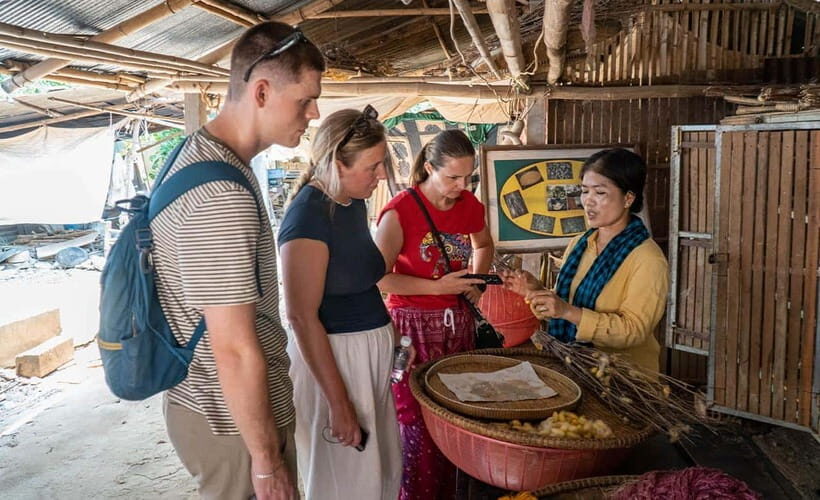
- Silk weaving on a family business: learn how the tradition passes from parent to child, with a practical explanation of silk processing
- Dried tofu skin craft visit: you’ll get a close look at how soybean products are made where families work
- Buddhist temple stop and customs: you’ll hear what people practice and why it matters in Cambodia
- Snacks and water along the way: small, welcome breaks during a packed 4 to 4.5 hours
Tuk-tuk and ferry: the real start of your Silk Island day

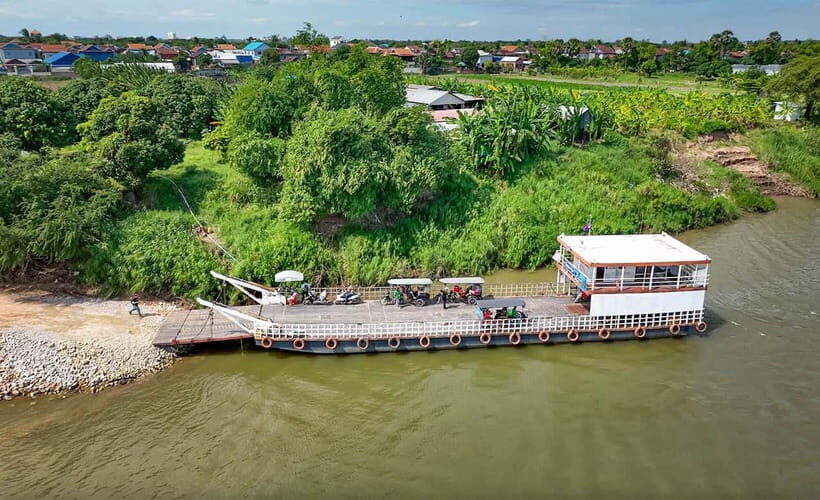
This tour works because it starts with motion. You’ll be picked up in Phnom Penh and head out of the city by tuk-tuk, then you board a ferry to reach the island area. That ferry crossing is part of the experience, not just a transfer. It breaks up the day and gives you a quick shift in pace as the water and countryside replace traffic and buildings.
The morning plan runs about 4 to 4.5 hours, with a return to Phnom Penh around 12:30 pm. That timing matters. If you want a countryside story but you still need lunch and time to explore later, this fits well. It’s also why many people call it a highlight: you’re not committing to a full day just to get out of town.
One practical tip: keep your phone charged and your bag closed for the ferry and outdoor stops. Even on calm days, you’ll be walking between areas and spending time where dust and humidity are normal.
Other tuk-tuk tours we've reviewed in Phnom Penh

Koh Oknha Tei market: where you see daily life in 30 minutes
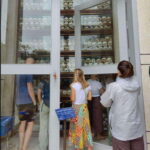
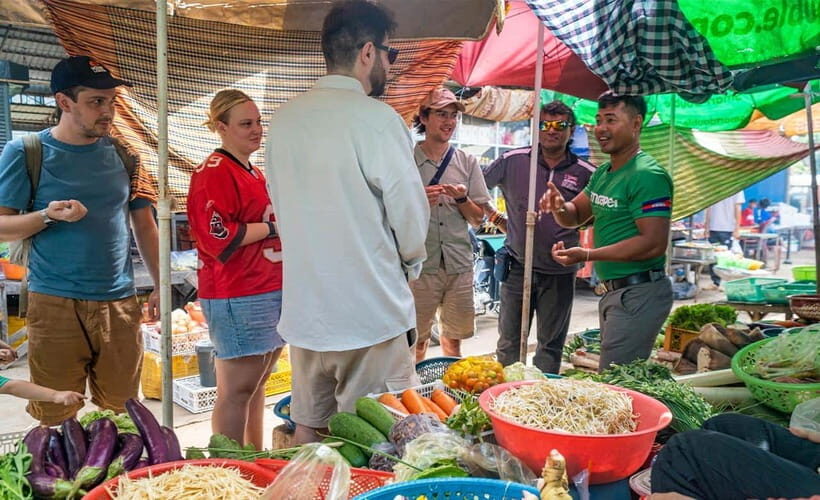
Your first real cultural stop is the Koh Oknha Tei Market (about 30 minutes). This is one of those places where you learn more than you buy. You’ll see what people are working with, eating, and moving through every day. Even if you just watch, you’ll start to understand the rhythms of the area.
What makes this stop valuable is the context your guide adds. In particular, several guides named in recent tours like Lee and Kim are praised for answering questions and turning simple sights into real explanations. If your guide is that kind of host, you’ll leave the market with vocabulary too, like learning a bit of Khmer along the way.
If you get there and the market is quieter, don’t panic. The tour still uses that time to show how locals shop and trade. Markets can shift by day and time, so treat it as an observation stop as much as a sightseeing stop.
The school photo stop: a small pause with big meaning
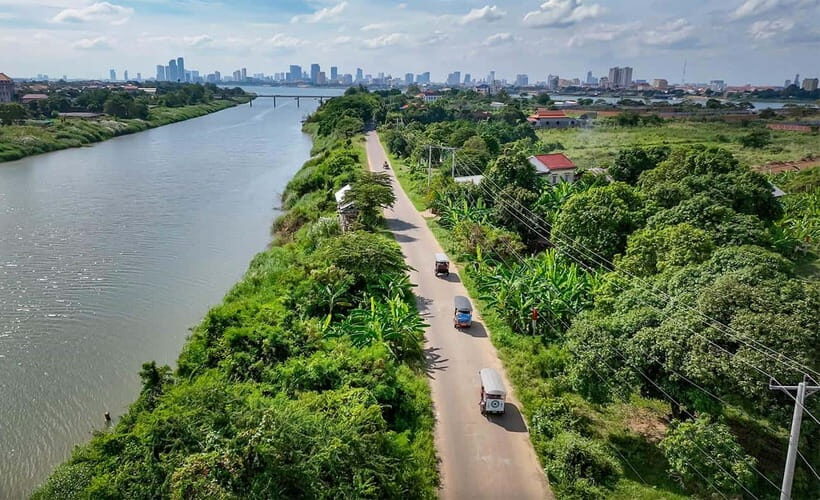
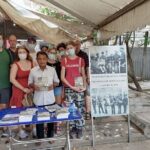
Next comes the Koh Oknha Tei Secondary School stop, with photo time and a guided walk lasting about 1 hour. This part can feel different from the craft and factory visits because it connects you to education and community life.
From a value perspective, I like this stop because it avoids the usual pattern of only visiting production sites. You get a human angle on what families prioritize. If you’re the kind of traveler who likes to ask questions, this is where your guide’s English really helps. Many groups note that guides stay friendly and keep the pace relaxed, so you’re not rushed through.
Practical note: this is an outdoor or semi-outdoor environment. Bring sun protection, and be ready for a little walking even if the route is short.
Silk Island: the family-craft lesson you came for
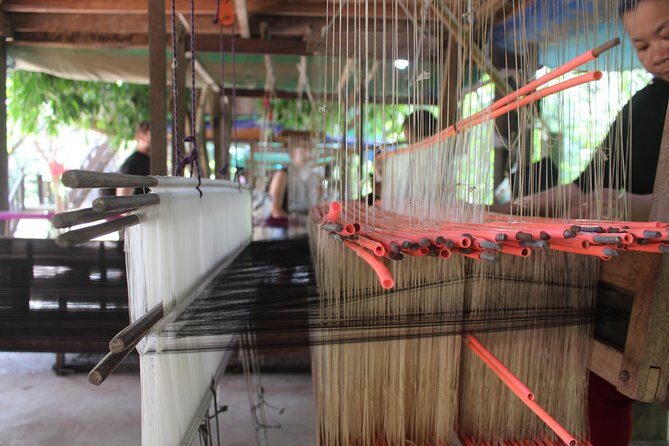
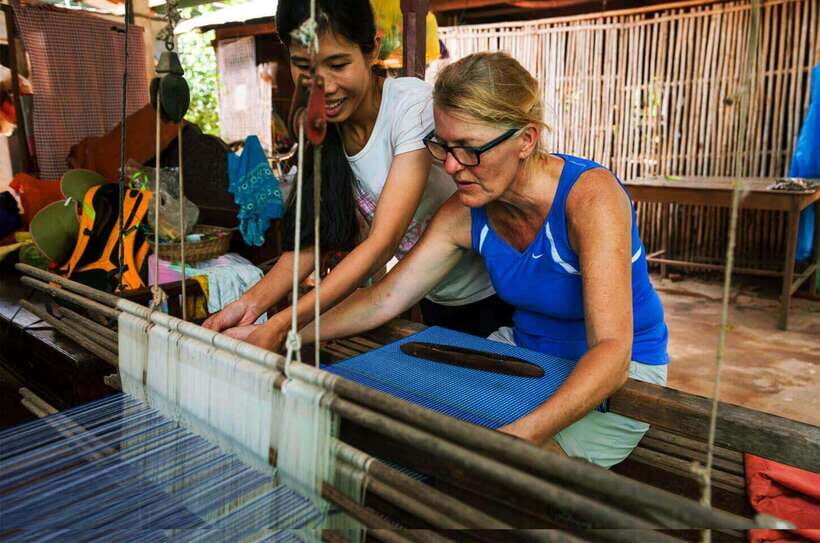
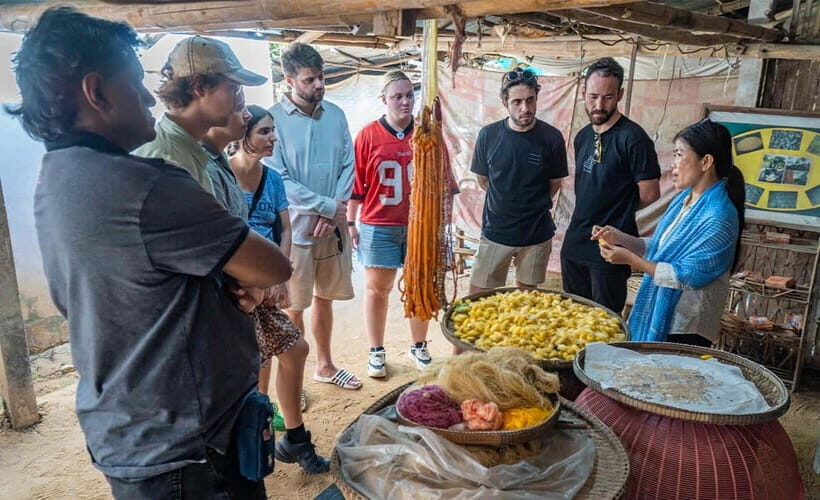
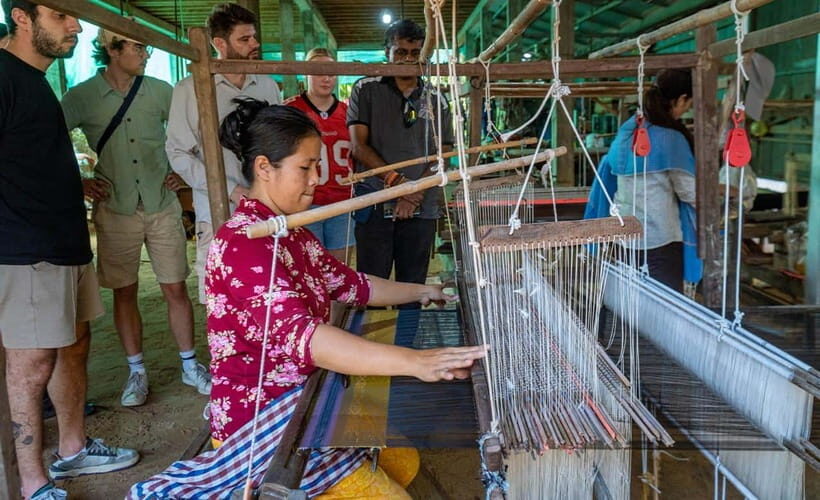
Now you reach Silk Island for about 1 hour of break time plus guided visit and sightseeing. This is the heart of the experience: you’ll learn about silk production and see the craft in a setting that feels lived-in, not staged.
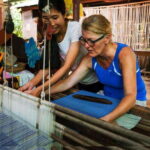
What stands out in the way this is taught is the focus on process, not just the finished product. You’ll hear how silk weaving tradition has been passed down through generations from parent to child. In several accounts, guides and family members explain different steps and the meaning of the different grades or types of silk. That makes the tour feel smarter than a quick factory peek.
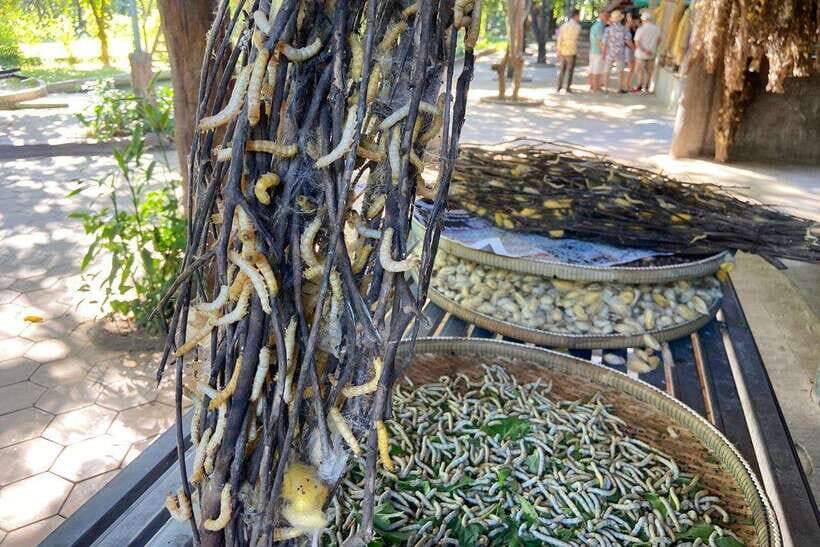
Also, don’t expect only one kind of silk story. Some guides and hosts talk about the source of silk in a way that’s easy to understand for first-timers, including the role of the caterpillars. You may also hear about the time and labor involved, which changes how you look at a silk scarf once you understand what it took to make.
One more thing: you usually won’t feel pressured to buy. Several people highlight that there’s room to look around, ask questions, and then decide. If you do buy, think of it as supporting a family business, not just bringing home a souvenir.
Dried tofu skin and soybean work: why this stop matters
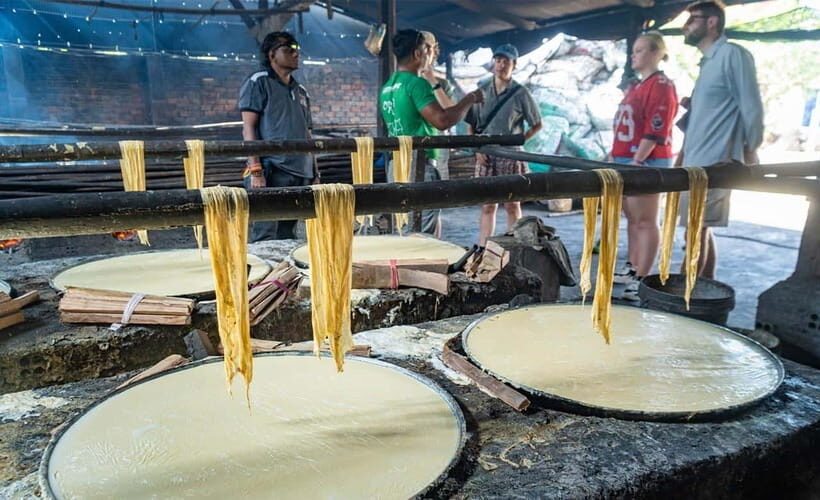
This tour includes a family-run business focused on producing dried tofu skin (often called tofu skin sheets or related names depending on context). For many visitors, it becomes the most eye-opening technical stop, because you get to see everyday food production treated with real care and expertise.
Here’s why I think this is such strong value: you’re not just seeing crafts like weaving. You’re seeing an agricultural-to-food process tied to local livelihoods. Soybean processing isn’t something most visitors ever get close to in Cambodia, so the tour creates a rare perspective.
Depending on how the day runs, you might spend more time on the explanation of how the material is prepared and dried, and how the work moves from step to step. Guides often guide you through what you’re seeing in plain terms. Many group reports also mention learning along the way, from the production method to what ends up being sold or used locally.
Tip for your visit: bring a curious mindset and ask about what comes next in the production chain. Even if you can’t follow every detail, you’ll understand the workflow and the reason it supports families.
Other Silk Island tours we've reviewed in Phnom Penh


Buddhist temple stop: customs you can actually read
Cambodian Buddhism shows up everywhere, and on this tour you get a Buddhist temple visit where you learn about belief and practice in a grounded way. The route includes temple time as part of the guided stops, and many guides are praised for explaining customs clearly, especially how people behave inside temple spaces.
If you’re unsure how to act, this is one of the best learning setups. You’ll have time with your guide before or during temple moments, so you can follow the basic etiquette without guessing. Look for guidance on where to stand, how to respect quiet areas, and how to handle questions.
This temple component is also part of why the tour works as a whole. Crafts are hands-on. Markets are daily-life. The temple is worldview. Put together, you get a more complete picture of why people live the way they do.
Akreiy Ksatr Village: the rural feel near Phnom Penh
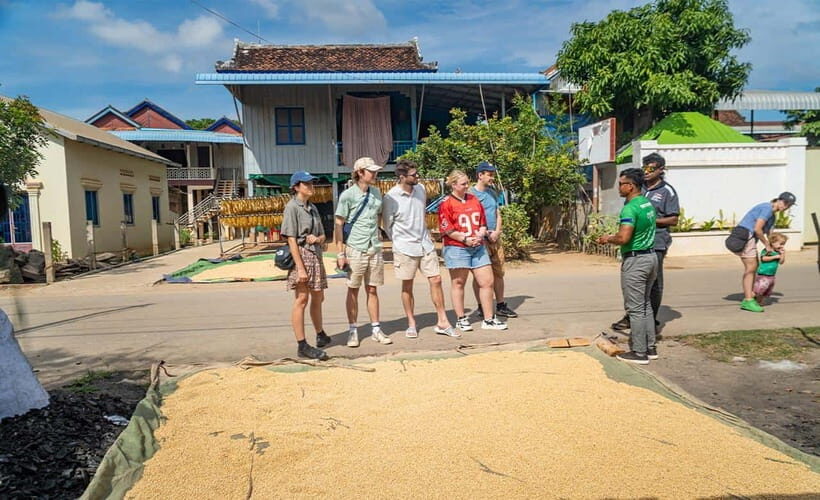
Your final major countryside segment is Akreiy Ksatr Village (about 1 hour). The tour description frames it as a guided pass-by, so you should expect a lighter walking style than a full neighborhood tour. That said, it’s still one of the best places to notice how rural communities function close to the city.
What you’re looking for here is texture: small changes in building style, how people work, and the way daily life fits into the route you’re taking. Several people mention the “glimpse outside the city” feeling as a main reason they loved the tour, and this is where that feeling comes from.
If you like photography, this is often where your guide helps you time shots without blocking normal activity. It’s also a decent place to ask about what you’re seeing, especially if your guide is a talker like Lee or Tintin, who are repeatedly praised for clear English and good humor.
What the included price buys you (and why $29 feels fair)
At $29 per person for about 4 to 4.5 hours, the value is in what’s bundled:
- Hotel pickup and drop-off
- Tuk-tuk transportation
- Ferry trip to the island
- Entrance fees
- English-speaking guide (when selected)
- Water and snacks
When those pieces are sold separately, it usually adds up quickly. The tour also reduces your planning stress. You’re not figuring out ferry timing, route connections, or who to ask once you arrive at the craft stops. You get local guidance that turns a set of places into a story with context.
Where value can vary is guide quality and how much your group engages. The good news: recent tours repeatedly praise specific guides, including Lee, Kim, Sok, and Tintin, for being friendly, helpful, and clear. If your guide is strong, this $29 morning can feel like a full cultural lesson.
If you want to get the most out of the price, come with two or three questions ready. Ask how silk production works at a basic level, or what dried tofu skin is used for locally. Then watch how much easier the tour becomes.
Pace, weather, and comfort: make the morning work for you
This is a rain or shine tour, so plan for weather you can’t control. Bring a light rain layer or compact umbrella, and don’t wear shoes that hate wet surfaces. The itinerary involves multiple outdoor moments, including markets, school areas, and village time, plus ferry travel.
Shoes matter. Even when the walking is not extreme, you’ll still be stepping around uneven ground and moving between stops. I’d also plan for sun exposure on the way out of Phnom Penh, because the morning can feel hot and bright even when you think you’re under a canopy.
One more note from the tour info: it’s not suitable for pregnant women. If that applies to you, it’s best to choose a different activity that matches your comfort needs.
Who should book this Phnom Penh Silk Island tour?
Book this if you want:
- A quick countryside hit near Phnom Penh without losing the whole day
- Real craft stops: silk weaving plus dried tofu skin production
- Temple and culture context, not just scenery
- A guide-led morning where you can ask questions and hear clear explanations
It’s especially good for first-time visitors who feel overwhelmed by Phnom Penh and want something more local and practical. It also suits couples, solo travelers, and families who can handle short walking segments and enjoy hands-on explanations.
If you hate any amount of walking, or you want only high-rise sights and air-conditioned museum time, this may not be your match. But if you want to understand how families earn a living just beyond the city, it’s a strong choice.
Should you book this tour or skip it?
Yes, I’d book it if you’re in Phnom Penh and you want a balanced mix of countryside life, crafts you can see up close, and temple context, all for a reasonable half-day price. The ferry and tuk-tuk travel isn’t filler here. It’s part of how the morning becomes a change of perspective.
I’d be cautious if weather conditions would make outdoor time miserable for you, or if you need a very quiet, minimal-steps tour. Also check your comfort with multiple stops in one morning.
If you do book, aim to arrive on time for pickup and come ready to talk with your guide. The tours often become much more memorable when you treat them like a conversation instead of a checklist.
FAQ
How long is the Phnom Penh to Silk Island tuk-tuk tour?
The duration is listed as 4 to 4.5 hours.
What is the price of the tour?
The price is $29 per person.
How do you get from Phnom Penh to Silk Island?
You travel by tuk-tuk from Phnom Penh and then board a ferry to reach the island.
What stops are included during the morning?
You’ll include stops such as a photo stop, Koh Oknha Tei Market, Koh Oknha Tei Secondary School, Silk Island, Akreiy Ksatr Village, plus visits connected to a Buddhist temple and the craft learning parts (silk and dried tofu skin).
Is hotel pickup included?
Pickup and drop-off are included. If pickup is optional in the booking, you should wait in the hotel lobby 10 minutes before the scheduled pickup time.
What’s included in the tour price?
Included items are hotel pickup and drop-off, an English-speaking guide (if the option is selected), tuk-tuk transportation, entrance fee, ferry trip, and water and snack.
Is the tour outdoors?
It runs rain or shine, so you should assume outdoor time and plan for weather.
Is this tour suitable for everyone?
It is not suitable for pregnant women.
Can I cancel and still get a refund?
Yes. There is free cancellation up to 24 hours in advance for a full refund. It also offers reserve now & pay later to keep plans flexible.