REVIEW · PHNOM PENH
Phnom Penh Small Group City Tour
Book on GetYourGuide →Operated by GREEN ERA TRAVEL · Bookable on GetYourGuide
Phnom Penh tells hard stories fast, with a small-group route through major landmarks and the Genocide Museum. You start with royal grandeur, then move into the place where the Khmer Rouge system was run. It’s a lot in one day, but the pace is managed.
I really like two things. First, the guided storytelling is personal in a way signs can’t match, and the guides named in past groups include Sing and Oung Syphat, plus even Mr Phe Try. Second, the practical setup helps: hotel pickup, cold bottled water, and quick tuk tuk hops when the route calls for it.
One consideration: this is emotionally heavy history at Tuol Sleng (S-21) and Choeung Ek (the Killing Fields). Add the strict clothing rules (no shorts or sleeveless tops; knees and shoulders covered), and plan to dress for museums, not for comfort.
In This Review
- Key Things to Know Before You Go
- Why a 5-Hour Small-Group Day Feels Just Right
- Royal Palace on the Tonle Sap and Mekong: French Timing, Khmer Design
- Silver Pagoda: 5,329 Silver Tiles and a Court of Sacred Objects
- Tuol Sleng (S-21): When a High School Became a Security Prison
- Choeung Ek Killing Fields: The Memorial Just South of Phnom Penh
- Guides Like Sing, Oung Syphat, and Mr Phe Try Make It Human
- Price and Entrance Fees: What $49 Covers and What You’ll Still Pay
- Dress Code, Heat, and Who This Tour Fits
- Should You Book This Phnom Penh Small Group City Tour?
- FAQ
- How long is the Phnom Penh Small Group City Tour?
- How much does the tour cost?
- What entrance fees are not included?
- Does the tour include hotel pickup and drop-off?
- What type of vehicle do we ride in?
- Is there an English guide?
- What should I wear for this tour?
- Is this tour suitable for children?
- Is the tour refundable if plans change?
- What should I bring in Phnom Penh heat?
Key Things to Know Before You Go
- Max 12 people keeps the day from turning into a cattle-car history lesson.
- Hotel pickup + English-speaking local guide means you’re not piecing together routes on your own.
- Tuol Sleng and Choeung Ek are tough; the tour isn’t recommended for children under 14.
- Entrance fees are extra: Genocide Museum $5, Royal Palace & Silver Pagoda $10, Killing Fields $3.
- Dress code is strict for worship sites and selected museums: cover knees and shoulders; no shorts or sleeveless shirts.
- Bring hat, sunscreen, and sunglasses: there’s a small amount of walking in the heat.
Why a 5-Hour Small-Group Day Feels Just Right
This is the kind of tour that works because it’s structured. You get a full hit of Phnom Penh’s key sights in about 5 hours, instead of spending that time trying to figure out logistics and timing. With a group capped at 12, there’s room for real questions rather than one long lecture while everyone stares at the same wall.
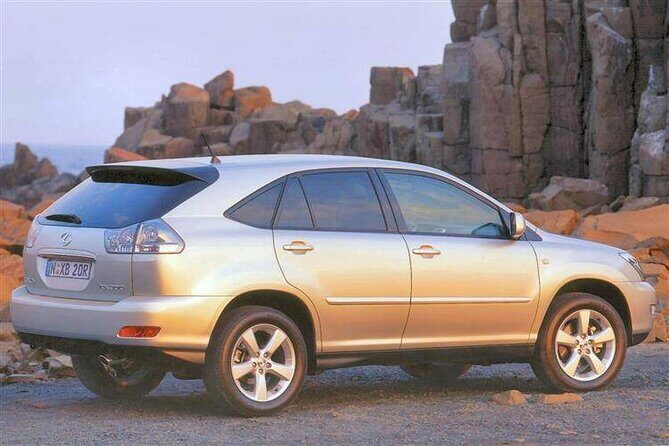
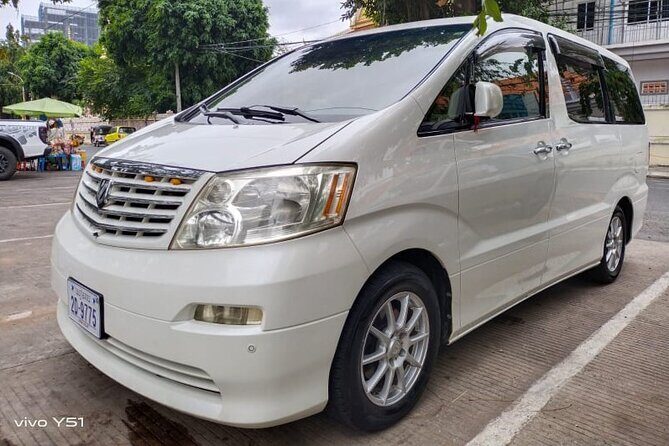
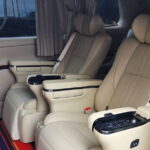
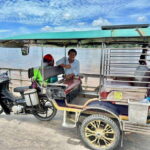
Transport also helps your sanity. If your group is smaller, you ride in a shared tuk tuk (1–3 people). If it’s a larger group (4+), you’ll use an air-conditioned vehicle for portions of the route. Either way, the tour is designed to keep you moving without making you sweat out every kilometer.
You’ll also get small “comfort wins” that matter in Cambodia’s heat: cold bottled water and hotel pickup/drop-off on request. It’s not flashy, but it keeps the day from feeling like one hard chore after another.
Just remember the emotional load. The later stops are not light sightseeing. If you’re the type who needs a breather between serious exhibits and outdoor memorials, consider taking a moment when your guide pauses so you can reset.
Other Phnom Penh city tours we've reviewed in Phnom Penh
Royal Palace on the Tonle Sap and Mekong: French Timing, Khmer Design
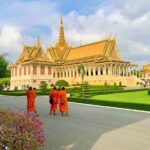
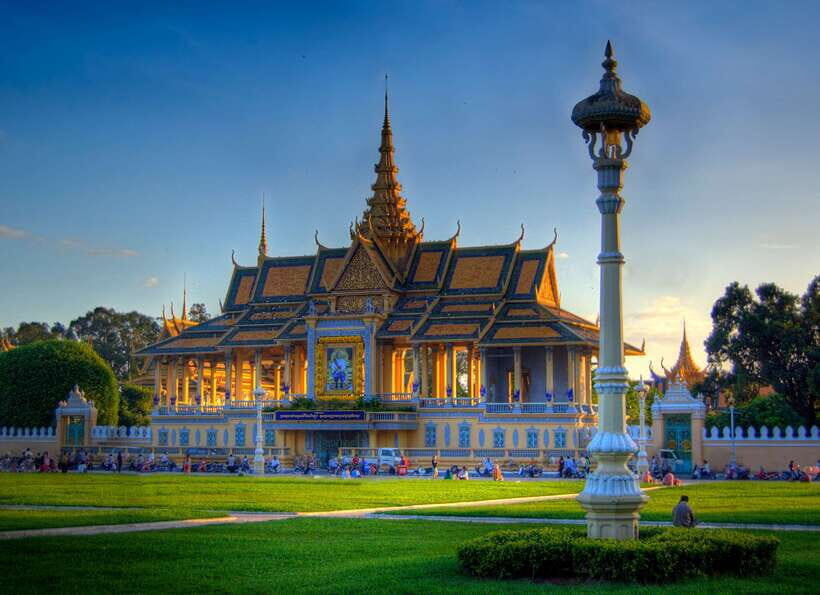
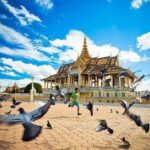
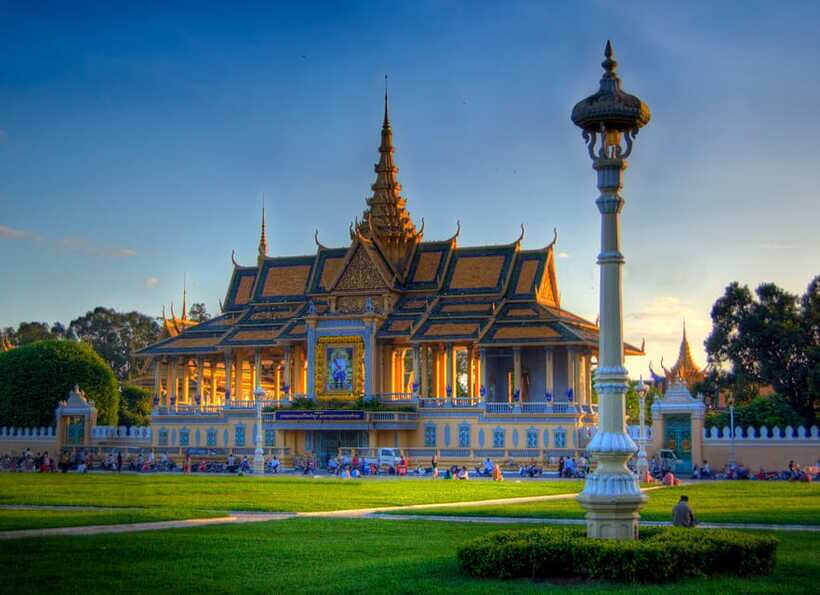
The day’s first big visual anchor is the Royal Palace, built by the French in 1866 after King Norodom moved the royal capital from Oudong to Phnom Penh. That detail gives you a helpful lens: you’re not only seeing architecture; you’re seeing how power and geography shifted.
From there, you’ll explore the palace complex and notice the Khmer architecture on the banks of the Tonle Sap and Mekong River. This is one of those places where the setting matters. The river-edge atmosphere helps explain why these royal spaces were more than buildings—they were part of a worldview, tied to the land and water rhythms.
The tour also points out royal symbolism that’s easy to miss if you’re just looking at photo angles. Expect stops that connect the palace to different Khmer kings, including the note that the kings were resident at all times except during the Khmer Rouge rule. That context makes later history land differently—like the guide is building a timeline, not just checking off attractions.
A dress code applies here. You’ll need knees and shoulders covered, and that means skipping shorts and sleeveless tops. I suggest wearing breathable long pants and a light shirt so you don’t spend the day tugging fabric in the heat.
Silver Pagoda: 5,329 Silver Tiles and a Court of Sacred Objects
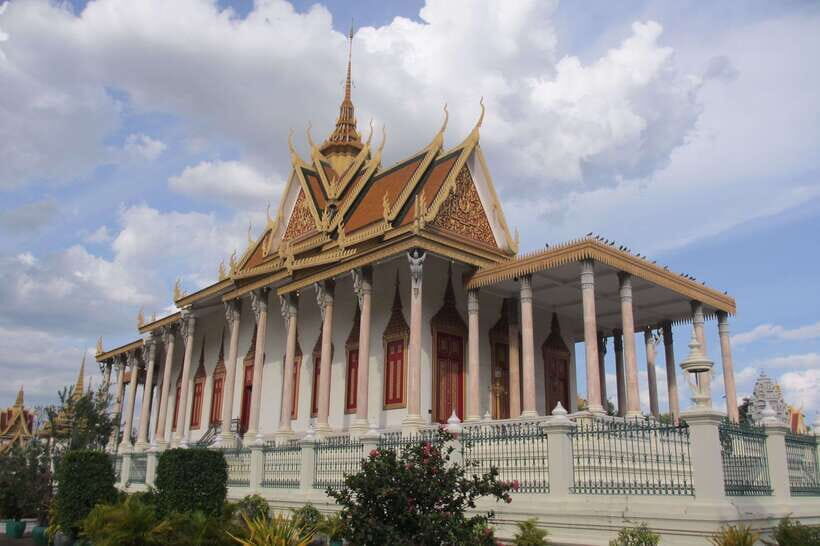
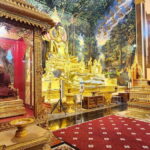
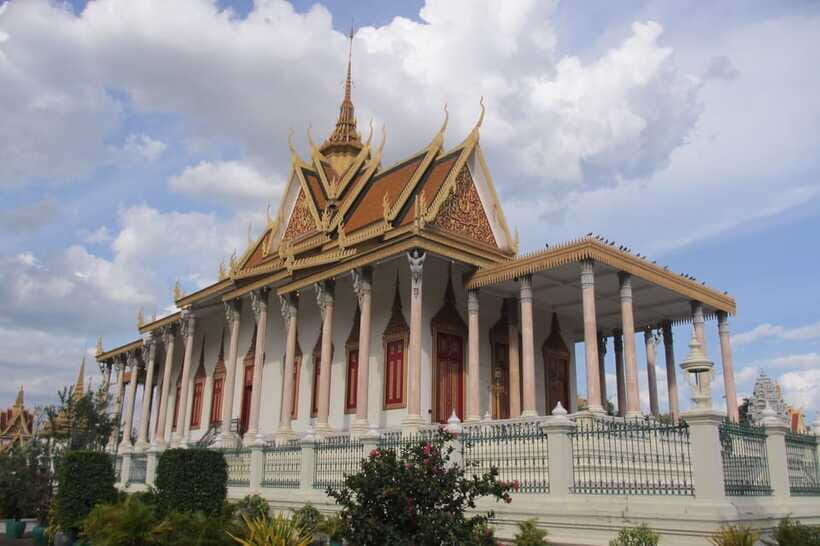
Next comes the Silver Pagoda, famous for its floor made of 5,329 silver tiles. Even if you don’t go full museum-nerd, you’ll feel the scale. The point isn’t only sparkle; it’s the idea of sacred space engineered for reverence and status.
This stop is also where the tour’s history and spirituality mix. You’ll hear about the different Khmer kings associated with the palace and the exception carved out during the Khmer Rouge period. The contrast is stark, and the guide’s explanation helps you hold both realities at once.
You’ll also see jeweled Buddha statues and an Angkor Wat-style bell tower. Those details are valuable because they show what Khmer royal religious life looked like in a functioning world—before the system collapsed into the Khmer Rouge era. It’s a reminder that Cambodia’s cultural depth continues right through the darkest chapters of its modern history.
Keep your expectations realistic: this is not a slow stroll through a quiet garden. It’s a guided route inside active sacred areas, with the guide helping you interpret what you’re seeing. If you’re short on time in Phnom Penh, this stop earns its place.
Tuol Sleng (S-21): When a High School Became a Security Prison
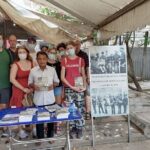
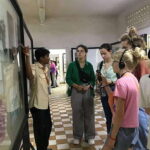
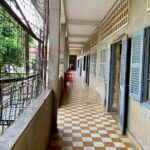
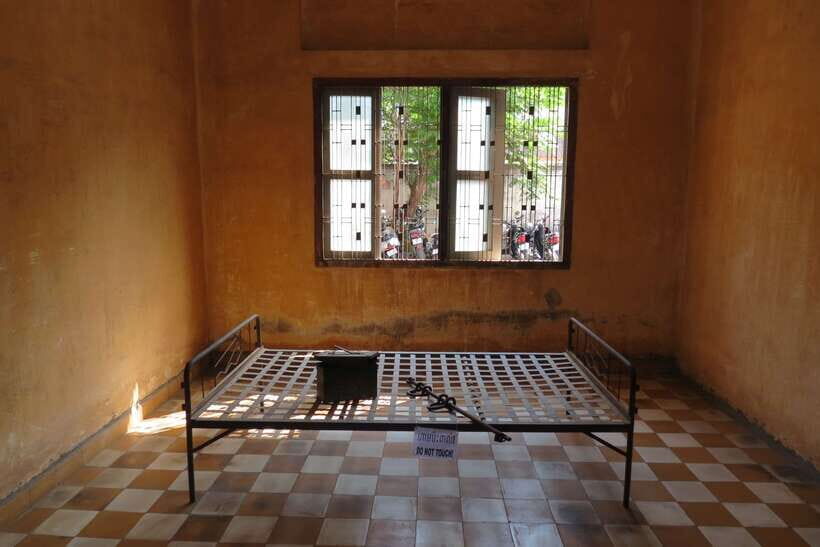
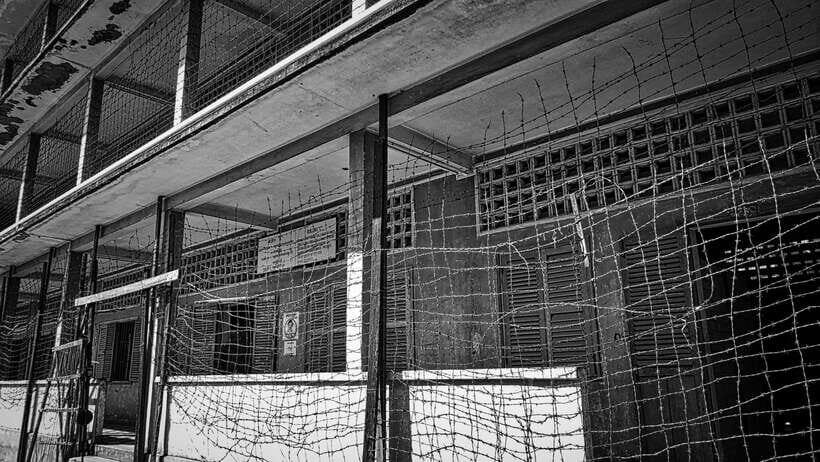
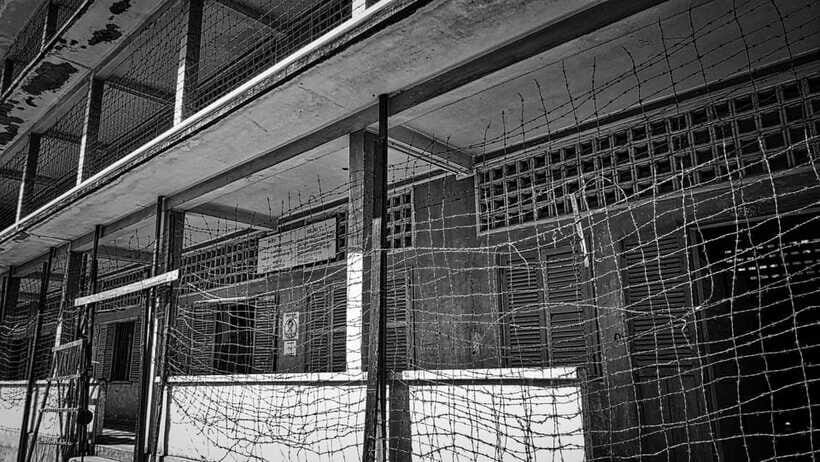
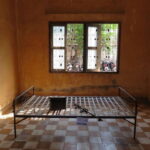
Then the day turns. Tuol Sleng Museum is located in a former high school used as Security Prison 21. The shift is unsettling in a very specific way: you’re walking through spaces originally meant for education, then repurposed for control, interrogation, and killing.
The guide’s role becomes crucial here. Exhibits and photos can be overwhelming on their own. What makes the experience work is hearing how the Khmer Rouge system functioned and how prisoners were treated. The tour includes stories tied to the estimated 20,000 prisoners murdered and dumped on the Killing Fields.
This is also one of those places where emotions can hit without warning. You might feel numb first, then later get hit with a wave. Give yourself permission to pause. A good guide keeps the tone respectful and helps you understand what you’re seeing without turning it into spectacle.
Photography is possible in many memorial settings, but the rules can vary by area and the museum’s flow. In past tours, guides like Oung Syphat have pointed out what to look at and what panels to read, including panels that are especially important. That’s the difference between collecting images and actually processing meaning.
If you’re visiting with someone sensitive to heavy history, plan an exit strategy. Step outside when you need air, and take water breaks—cold water is included, and you’ll likely appreciate it here.
Choeung Ek Killing Fields: The Memorial Just South of Phnom Penh
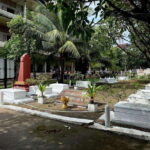
After Tuol Sleng, the tour heads to Choeung Ek, the infamous Killing Fields, located just south of Phnom Penh. Being outside changes the feeling fast. Indoors, you’re surrounded by artifacts and exhibits. Outside, you’re dealing with open space and the reality of where deaths occurred.
The memorial helps you understand scale, and it’s also guided by context. The guide ties what you saw at Tuol Sleng to what happened next. That cause-and-effect makes the story harder, but also clearer. It’s one of the reasons this tour feels more complete than just visiting one site.
This is one of the places where I think a guide earns the price—without turning it into a lesson plan. You’re not there to be shocked. You’re there to witness history with care, and to recognize how ordinary systems became machinery for atrocity.
The route from the city can be quick by tuk tuk, depending on the day and group size. Either way, you’ll arrive with enough time to look carefully and follow the guide’s pacing. If you find yourself scanning the memorial too fast, slow down. Let the meaning catch up with your eyes.
Other city tours we've reviewed in Phnom Penh
Guides Like Sing, Oung Syphat, and Mr Phe Try Make It Human
A small group tour lives or dies on the guide. And on this route, the best part is how guides bring the Khmer Rouge era into focus with empathy and lived context.
In past groups, guides named include Sing and Oung Syphat, and one guest specifically called out Mr Phe Try. In several cases, guests described guides as warm and compassionate, and in at least one account, the guide shared first-hand experience of what life was like during the Khmer Rouge regime as a child.
That matters because these sites can feel like cold information at first. When your guide connects the facts to human experience—how families lived, what survival meant, what a prison system did to daily life—it transforms the tour into something you can actually carry.
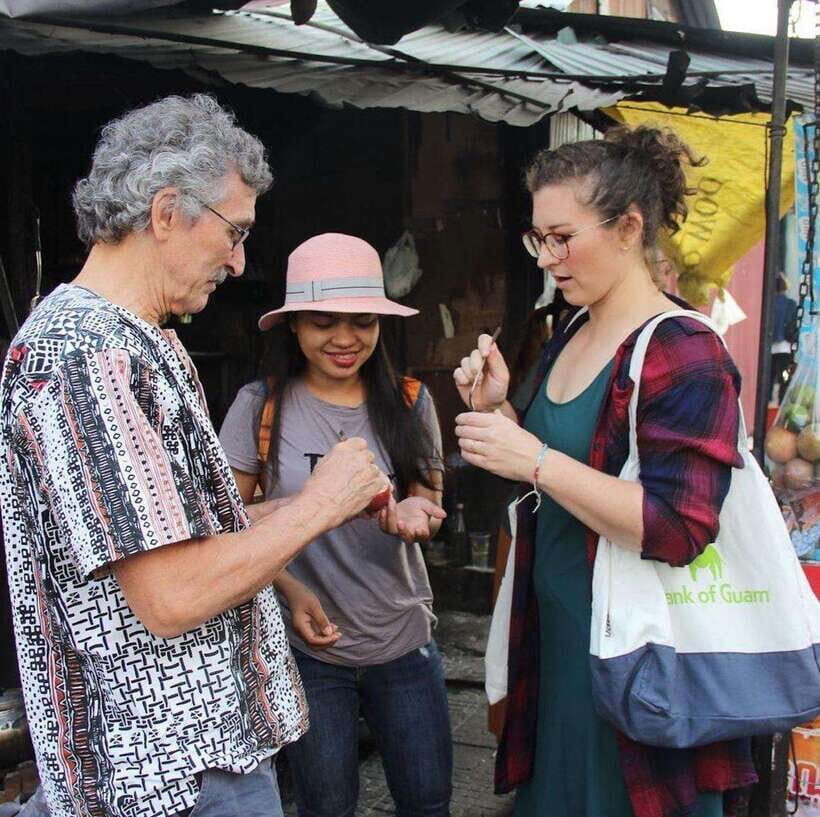
You may also find the guide helps with practical decisions during the day. For example, one guest mentioned being taken to additional places beyond the core stops, like temples and a market, when time allowed. That kind of flexibility isn’t guaranteed for every departure, but it shows how a good guide can help you shape the day without breaking the route.
If you want the most from your guide, bring questions. Ask what to read first on exhibit panels. Ask what details matter most at the memorial. The tour is designed for an English-speaking guide, and that language support is a big part of the value.
Price and Entrance Fees: What $49 Covers and What You’ll Still Pay
The base price is $49 per person for a 5-hour small-group tour with hotel pickup/drop-off, an English-speaking local guide, cold bottled water, and transport by shared tuk tuk or air-conditioned vehicle.
What’s not included are the entrance fees:
- Genocide Museum (Tuol Sleng): $5
- Royal Palace & Silver Pagoda: $10
- Killing Fields (Choeung Ek): $3
So a realistic budgeting number is about $67 total per adult once you add those entrance fees. Food isn’t included either, so plan for lunch on your own.
Is it good value? In my view, yes—because the paid part isn’t just access. It’s the guided interpretation and the efficient logistics of hitting multiple major sites in one half-day. If you tried to do these stops independently, you’d spend time negotiating transport and you’d lose the narrative connections between Royal Palace, Tuol Sleng, and Choeung Ek.
Also note that the tour is priced with the idea of small groups. With a maximum of 12 people, you’re paying for a less rushed experience than the big-bus model.
Dress Code, Heat, and Who This Tour Fits
This tour requires a dress code for places of worship and selected museums. Plan to cover knees and shoulders for both men and women. That means no shorts, short skirts, or sleeveless shirts. If you don’t comply, you risk being refused entry, which is the last thing you want on a day with heavy, time-sensitive sites.
Bring:
- Sunglasses
- Sun hat
- Sunscreen
There’s a small amount of walking, and Phnom Penh’s heat can sneak up on you. Water helps, and the tour keeps you on the move with the right kind of transport.
Kids should skip this one. The tour is not suitable for children under 14, and it specifically notes it’s not recommended for children to visit the Killing Fields and S-21. If you’re traveling with teens, take their maturity and sensitivity seriously and consider whether they’re ready for the subject matter.
If you’re using a wheelchair, the tour is listed as wheelchair accessible. If you need assistance, you’ll need your own caretaker. Also, pets aren’t allowed.
Should You Book This Phnom Penh Small Group City Tour?
I’d book it if you want Phnom Penh in one focused day, with an English-speaking guide who can explain what you’re seeing—not just where you are. The small group size helps a lot, and the combination of royal heritage (Royal Palace and Silver Pagoda) plus the hard truth of Tuol Sleng and the Killing Fields gives you a fuller picture of Cambodia’s modern story.
I would not book it if you’re looking for a relaxing sightseeing day. This route includes emotionally difficult visits, and the dress code can be annoying if you like to travel light with casual clothing.
If you’re considering it, take a practical approach: dress correctly from the start, bring sun protection, and give yourself a little mental buffer for the later memorial stops. If you do that, this tour can be one of the most meaningful days you spend in Phnom Penh—and it’s also built for convenience with pickup, water, and transport handled.
FAQ
How long is the Phnom Penh Small Group City Tour?
The tour lasts 5 hours.
How much does the tour cost?
The price is $49 per person.
What entrance fees are not included?
Entrance fees are not included. The Genocide Museum is $5 per person, the Royal Palace and Silver Pagoda are $10 per person, and the Killing Fields are $3 per person.
Does the tour include hotel pickup and drop-off?
Yes. Hotel pickup and drop-off are included, and pickup is possible from your hotel on request.
What type of vehicle do we ride in?
Transportation is by shared tuk tuk for groups of 1 to 3 people, or by an air-conditioned vehicle for groups of 4 or more people.
Is there an English guide?
Yes. The tour includes an English-speaking local guide, and visits are guided with the stops as per the route.
What should I wear for this tour?
A dress code is required for places of worship and selected museums: no shorts or sleeveless shirts, and knees and shoulders must be covered.
Is this tour suitable for children?
The tour is not suitable for children under 14, and it’s not recommended that children visit the Killing Fields and S-21.
Is the tour refundable if plans change?
Yes. There’s free cancellation up to 24 hours in advance for a full refund.
What should I bring in Phnom Penh heat?
Bring sunglasses, a sun hat, and sunscreen.