Phnom Penh hits hard. This private day tour connects Cambodia’s royal Khmer landmarks with the country’s darkest chapter, then rounds out your morning with a market stop and the calm of Wat Phnom. Your licensed guide, Sam Ang, leads the route in clear English and uses stories to help the sites make sense, even when the subject matter is brutal.
Two things I really like: you start early at 8:00am, which helps you beat both crowd energy and heat, and you get a personal guide who can explain what you’re seeing instead of just dropping you off. One consideration: the Tuol Sleng (S21) prison and Choeung Ek Killing Fields are not suitable for most children, and you’ll also need to dress respectfully for the Royal Palace and temples.
In This Review
- Key Points You’ll Actually Feel On the Day
- Meeting Sam Ang: the Guide Who Makes the City Click
- Royal Palace and Independence Monument: Start With Power and Identity
- Tuol Sleng (S21) and Choeung Ek: When History Stops Being Abstract
- Central Market and Wat Phnom: City Life After the Shock
- Timing, Transport, and What a 7-Hour Day Really Means
- Cost and Value: Is $100 a Fair Deal?
- Who Should Book This Tour (and Who Should Pause)
- Should You Book This Phnom Penh City Highlights and Killing Fields Tour?
Key Points You’ll Actually Feel On the Day
- Sam Ang’s storytelling links the Royal Palace, French-era independence, and Khmer Rouge sites into one understandable timeline.
- Early 8:00am start makes the day more comfortable and gives you a calmer pace through the first stops.
- Private transportation and hotel pickup/drop-off keeps you focused on the sights, not street logistics.
- Tickets for major sites aren’t included, so plan for entry fees for the Royal Palace and the genocide-related museums.
- Respectful dress matters at religious sites and the Royal Palace: cover shoulders, backs, and legs above the knee.
- The day is emotionally heavy, so you’ll want to go in with a little mental prep.
Meeting Sam Ang: the Guide Who Makes the City Click
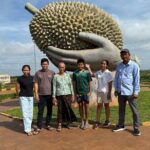
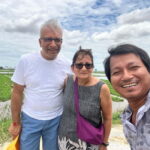
The best part of this tour is the way Sam Ang works. He’s a Khmer local and a licensed English-speaking guide, and you’ll feel it right away in how he explains Cambodia step-by-step as you move across Phnom Penh. This isn’t a drive-by tour where you stare at buildings and guess at their meaning. Sam gives the kind of context that lets you read a place as you walk through it—especially helpful in the genocide sites, where dates and names can blur without a guide’s structure.
From the reviews and the tour style, you can expect a mix of facts and human detail. People highlight Sam’s passion and the way he tells stories with enough clarity that even someone who’s read about Cambodia can pick up new angles. Another theme is how his sense of humor can lighten the mood in the moments where the day is otherwise grim. That matters because this route has a built-in contrast: ornate royal architecture and busy city life on one side, then S21 and the Killing Fields on the other.
You’ll also travel with just your group (private tour), which makes the day feel less crowded and more personal. If you like asking practical questions—How did this happen? Why is this place arranged like this?—you’ll get room to do it instead of waiting your turn.
Other Killing Fields tours we've reviewed in Phnom Penh
Royal Palace and Independence Monument: Start With Power and Identity
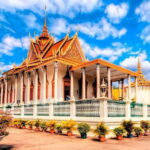
You begin in the area around the Independence Monument at 8:00am, and the first big stop is the Royal Palace. This is the official residence of the Cambodian King and his family, and it’s designed to be seen: ornate buildings, colorful details, golden roofs, and tall spires that signal authority from every angle. Plan on spending about an hour here, and use that time to look at the mix of forms and how the architecture communicates status.
Practical heads-up: the tour notes that at temples and the Royal Palace, you should cover shoulders, backs, and your legs above the knee. If your clothes aren’t meeting that, you might find you’re uncomfortable (or turned away). It’s worth bringing a light layer or pants you’re confident will meet the dress standard.
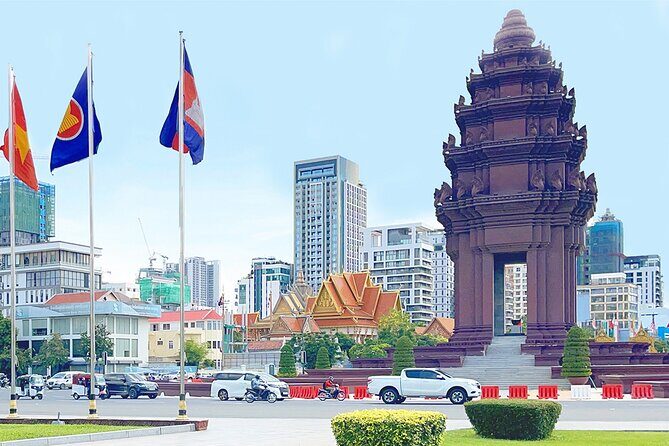
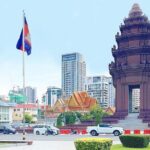
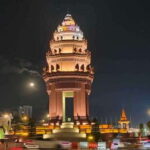
After the palace, you move on to Independence Monument, built in 1958 to commemorate Cambodia’s independence from colonial rule under France in 1953. It’s a short stop—about 15 minutes—but it helps place your day in the country’s modern story. It’s also a nice tonal breather before the heavier stops, because it frames national identity in a public, symbolic way rather than through buildings of imprisonment.
Tuol Sleng (S21) and Choeung Ek: When History Stops Being Abstract
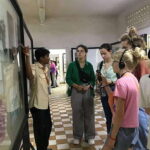
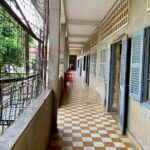
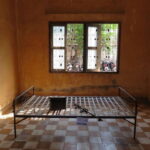
The middle of the tour is where the day becomes unforgettable for the wrong reasons. Tuol Sleng Genocide Museum (S21) is about 1.5 hours, and it’s the site of a former secondary school used as Security Prison 2 during the Khmer Rouge period from 1975 to 1979. Walking through it can feel like facts are pressing into your body. Expect you’ll spend real time absorbing the layout and the idea that this place was once ordinary school space repurposed for terror.
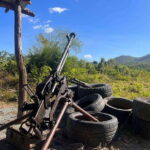
Then you go to Choeung Ek Genocidal Center, the Killing Fields area. The tour description explains that about 1.3 million people were killed and buried by the Khmer Rouge regime, under the leadership of Prime Minister Pol Pot. This is not a site designed for casual sightseeing. It’s emotional, graphic in concept, and heavy even if you’re someone who reads history.
A useful way to prepare is to treat these stops like a mission, not an attraction. Go slow. If you need breaks, take them. If you feel overwhelmed, that’s normal. And if you’re bringing anyone young, take the tour’s warning seriously: these sites are not suitable for most children.
Even with the difficulty, this is also where the tour earns its value. Sam is guiding you, and good guidance matters here. People specifically mention that Sam’s knowledge and stories help them make sense of what they’re seeing, and that his explanations can reduce the feeling of being lost inside raw information. That makes the experience more respectful and more meaningful, not just sad.
Central Market and Wat Phnom: City Life After the Shock
After S21 and the Killing Fields, you’ll get the chance to reset your senses with two very different stops: Central Market (Phsar Thmei) and Wat Phnom.
Central Market is free to enter and takes about 45 minutes. It’s an art deco building shaped like a cross with a central dome, and each of the four wings holds stalls selling everything from jewelry to antiques and coins. This isn’t just shopping as a distraction. It’s a glimpse of how Phnom Penh lives day-to-day—how people gather, trade, and keep going. If you want souvenirs that don’t feel random, this is a practical place to look. The tour also includes a small souvenir, but I still like having the chance to pick something small and local for yourself.
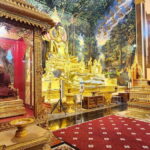
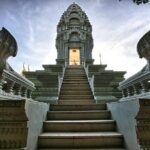
Next comes Wat Phnom, a Buddhist temple built on a man-made hill covered with trees. The stop is about an hour, and it’s a chance to step into quieter energy compared with the genocide sites. The main stupa sits in the center area, and the temple setup encourages a slower pace. Again, you’ll need to keep your outfit respectful, with shoulders and legs above the knee covered as noted for temples and religious sites.
This pairing works well because it gives you a full emotional day arc: heavy history, then city texture, then calm. You won’t be rushed into one kind of experience all day long.
Timing, Transport, and What a 7-Hour Day Really Means
This is scheduled for about 7 hours total, starting at 8:00am. Starting early is a smart move in Phnom Penh: heat and crowding can turn “one more stop” into “I’m done.” Reviews highlight that Sam starts early specifically to beat crowds and the sun, and that translates into a calmer visit, especially for the Royal Palace and Independence Monument area.
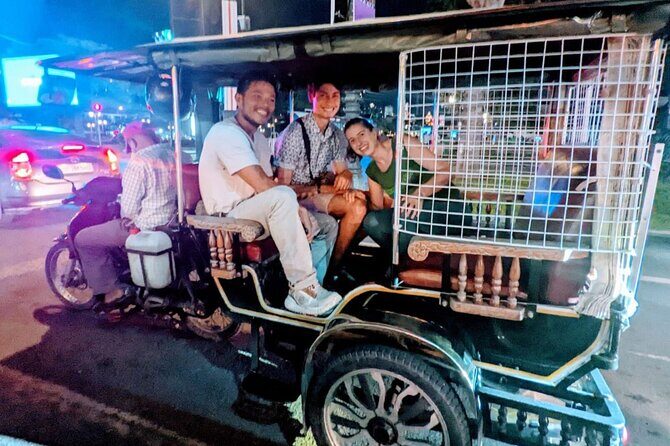
You also get hotel pickup and drop-off and private transportation, which is a big quality-of-life factor. Phnom Penh has traffic that can stretch time fast if you’re trying to self-navigate. With a private car, you can keep the day on track and stay in the right places at the right times for walking.
The tour includes bottled water and a small souvenir, which is helpful when your day includes a long emotional stretch. Lunch is not included, but you can buy snacks and drinks at stops during the tour. If you’re the type who gets tired emotionally or physically after heavy sites, plan to eat something light and simple when the chance shows up.
Finally, there’s a mobile ticket option and the tour is private—just your group. That’s a comfort upgrade if you’d rather not deal with larger group movement patterns or waiting.
Other Phnom Penh city tours we've reviewed in Phnom Penh
Cost and Value: Is $100 a Fair Deal?
At $100 per person, the headline price looks straightforward, but the real question is what you’re paying for. In this case, you’re not just paying for access to a handful of attractions. You’re paying for a licensed English-speaking guide, private transportation, hotel pickup/drop-off, and bottled water, plus a small souvenir.
Here’s where it gets practical:
- Major site admissions aren’t included, at least for the Royal Palace, Tuol Sleng (S21), and Choeung Ek. So your final day budget is $100 plus those entry fees and any food you buy.
- Independence Monument and Central Market are free based on the tour info, which helps balance out the paid attractions.
- You’re also getting a route that covers a full set of contrasts: monarchy symbolism, national identity, genocide history, market life, and a temple visit.
If you’ve ever tried to piece this kind of route together on your own, you know how time-consuming and confusing it can be—especially when the emotional weight is high and you don’t want to spend part of your day figuring things out. For many people, this is the point of paying: it buys you structure, pacing, and explanations.
Who Should Book This Tour (and Who Should Pause)
This tour suits families, groups, and solo travelers in general, but the tour itself flags two important realities. First, the Genocide Museum and Killing Fields are not suitable for most children. If you’re traveling with kids, you’ll need to decide based on maturity and comfort level, not just curiosity.
Second, the dress expectations for the Royal Palace and religious sites mean you should come prepared. If you prefer casual outfits that expose shoulders or have short shorts, you may have to adjust your clothing plan.
Who tends to love this tour:
- People who want one guide connecting multiple eras of Phnom Penh instead of piecing together different tours.
- Visitors who appreciate a private format with hotel pickup and room to ask questions.
- Anyone who wants the harder history explained clearly, with enough human context to make it land.
Who might reconsider:
- Anyone hoping for a light, casual city stroll. This route includes S21 and the Killing Fields.
- People who can’t handle graphic historical topics emotionally, even with careful guidance.
Should You Book This Phnom Penh City Highlights and Killing Fields Tour?
Book this tour if you want a well-run, private day that gives you both context and pacing. Sam Ang’s guidance is the reason it works—especially in the genocide sites, where structure and explanation help you understand what you’re seeing without getting lost.
Skip it (or adjust your plan) if your main goal is a relaxed, family-friendly sightseeing day. The route is heavy by design, and it also comes with clear dress requirements for religious and palace areas.
If you’re ready for Phnom Penh’s full spectrum—from golden-roof symbolism to the hardest chapter in modern Cambodia—this is a strong way to experience it in one organized 7-hour loop.