REVIEW · PHNOM PENH
Phnom Penh: Private City Tour by Tuk-Tuk/Full or Half Day
Book on GetYourGuide →Operated by Visal Tuk-Tuk Tours in Phnom Penh · Bookable on GetYourGuide
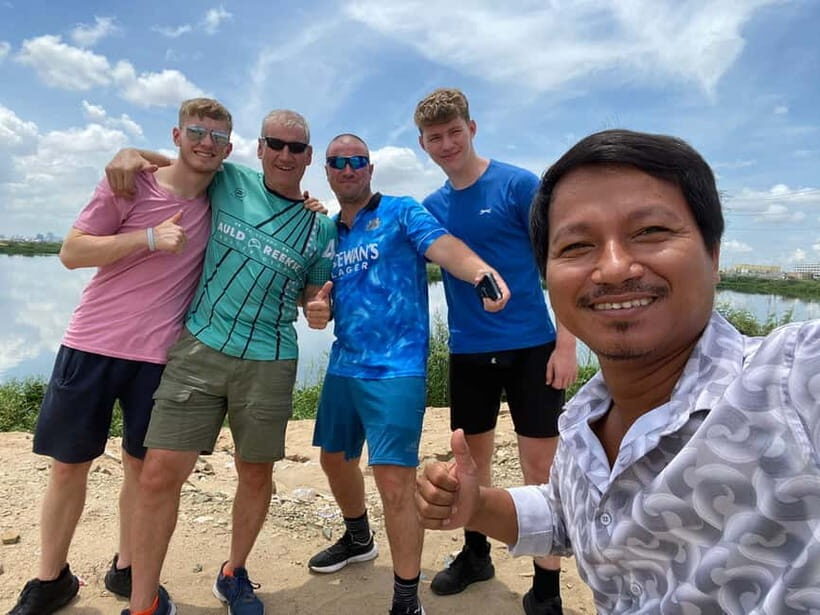
Tuol Sleng meets the Palace in one day. This private Phnom Penh tour pairs major Khmer Rouge history with classic capital landmarks, using a tuk-tuk route that keeps you moving without feeling herded. Guides such as Visal, Vann, and Elvis are often praised for their calm driving and clear explanations.
I especially like the balance: the genocide museums give you the hard context, then the afternoon shifts to architecture and monuments like the Independence Monument and Royal Palace. I also like the practical pace—stops are timed, but it still feels relaxed, and guides help you get photos without rushing you.
One consideration: the full-day version includes two heavy sites, so if you know you want less intensity, choose the half-day option that focuses only on the two genocide locations.
In This Review
- Key points before you go
- Why This Phnom Penh Tuk-Tuk Tour Works in One Day
- The Big Choice: Full Day vs Half Day
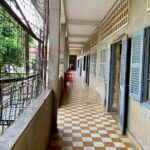
- Morning Start: Tuol Sleng Genocide Museum (S-21)
- Transfer to the Killing Fields: Choeung Ek
- Midday Break and Lunch: Give Yourself a Reset
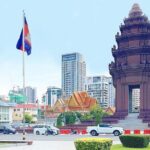
- Independence Monument, Sihanouk Statue, and the Park Strip
- Royal Palace: Where the Architecture Takes Over
- National Museum (Outside Visit)
- Wat Ounalom Monastery: A Key Temple Stop
- Wat Phnom and Lady Penh Statue: Closing the Loop on the City
- Tuk-Tuk Logistics: The Comfort Part (That Actually Matters)
- What You’ll Get Most: Guide Style and Safety
- Price and Value: What $20 Gets You (and What Doesn’t)
- Dress Code and Practical Tips That Save Friction
- Who This Tour Fits Best
- Should You Book This Private City Tour?
Key points before you go
- Private tuk-tuk flexibility: You can move through Phnom Penh’s sights while your guide adjusts timing to your pace.
- Tuol Sleng to Choeung Ek logic: You start with the museum-style account, then continue to the Killing Fields for a fuller picture.
- Royal Palace needs extra planning: Entry plus a guide fee is required, and you will not have an audio guide there.
- Good photo rhythm: Many stops are built as photo moments along the Park Strip, plus temple time where you can linger.
- Rain-ready setup: Umbrellas are provided, and the tuk-tuk can be made rainproof.
- Bring the right clothes: Sleeveless shirts are not allowed, so pack something comfortable but covered.
Why This Phnom Penh Tuk-Tuk Tour Works in One Day
If you only have a day in Phnom Penh, this is the kind of plan that actually makes sense. You get two different Phnom Penh styles in the same route: the capital’s grand, Khmer-era and post-colonial landmarks in the afternoon, and the reality of the Khmer Rouge regime in the morning and midday. That structure matters because your brain needs context before it can appreciate the rest of the city.
A private tuk-tuk also changes the feel. On a group bus, you spend time waiting for people. Here, you spend time looking: rooftops, doorways, pagoda details, statues, and monuments you can photograph without someone blocking your view. And because you’re not juggling many strangers’ schedules, your guide can help keep the day flowing smoothly.
Other tuk-tuk tours we've reviewed in Phnom Penh

The Big Choice: Full Day vs Half Day
Before you book, think about your emotional energy. The booking page offers two options that both include private guiding, but the itinerary is different.
- Full Day option: You visit both genocide sites (Tuol Sleng and the Killing Fields) and then continue around the capital with monuments and temples.
- Half Day option: You visit only the two genocide sites.
If you’re the kind of traveler who wants to understand Cambodia in one coherent narrative arc, the full day can feel satisfying—hard history first, then the city’s recovery and public memory through architecture and monuments. If you know you want to keep things lighter, or you have limited time after, the half-day option is often the better match. It’s not about avoiding history; it’s about choosing how much intensity you can comfortably take in on the day.
Morning Start: Tuol Sleng Genocide Museum (S-21)
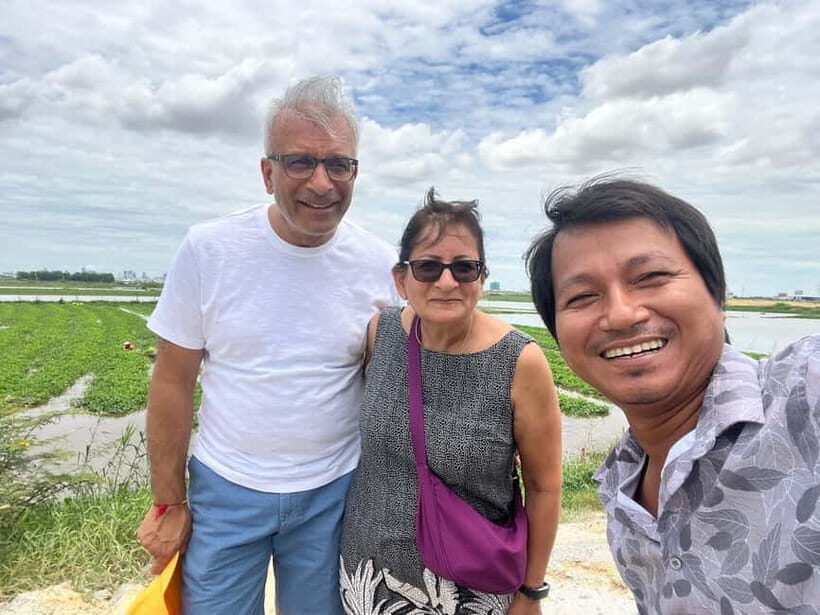
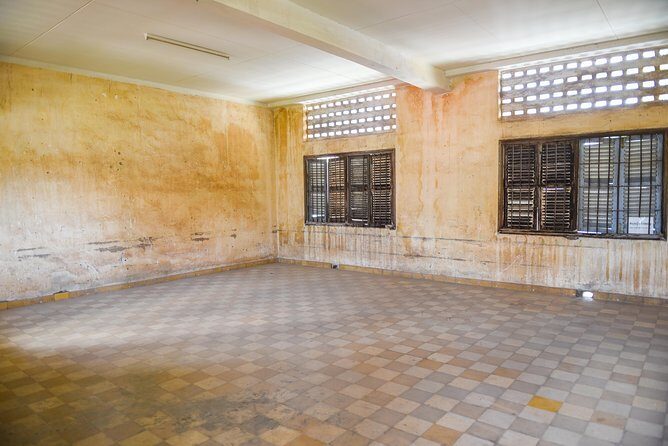
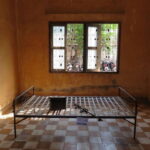
Your day typically begins with pickup, then a drive to Tuol Sleng, better known as S-21. This stop is the first and most museum-focused part of the experience. Expect a guided orientation followed by audio-guided self-time inside, which is the best setup if you want to read at your speed and not feel rushed through fragile information.
A practical note: your guide may not enter inside with you at places where the audio guide is used. That can actually be a plus. You get to focus on what you’re seeing while still knowing your guide is nearby and ready to answer questions outside.
Bring a camera if you want photos, but also know some parts of the museum experience may be emotionally heavy and not photo-friendly. Wear comfortable shoes. The walking here is described as not excessive, but you’ll still want stable footwear because the museum can make you move in small loops and corridors.
Transfer to the Killing Fields: Choeung Ek
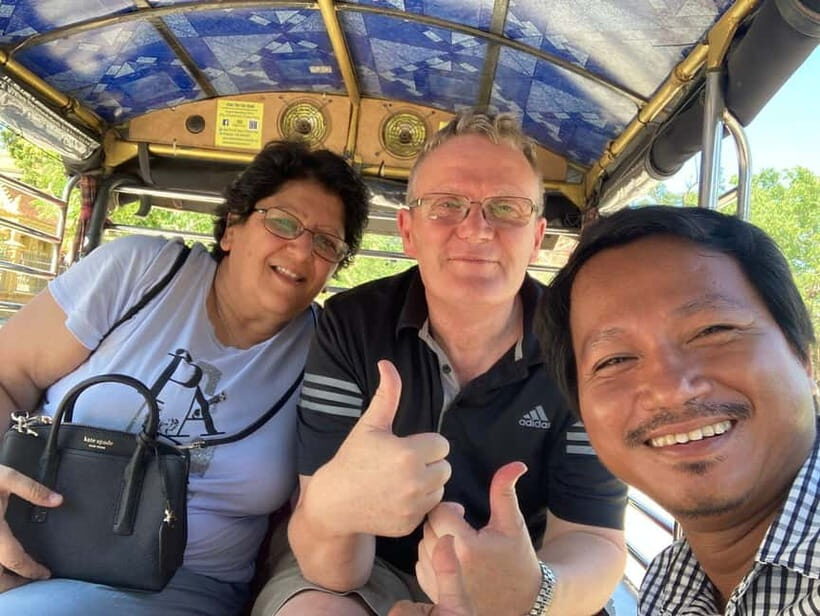
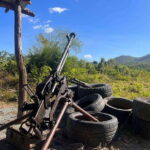
After Tuol Sleng, you head by tuk-tuk to Choeung Ek, often called the Killing Fields. This is around 45 minutes from Phnom Penh, and it’s scheduled as a longer block of time than the photo stops later in the day. You’ll get a photo moment before entering, then you’ll spend about 1.5 hours with self-guided time supported by an audio guide.
This second site pairs with the first. Tuol Sleng helps you understand the machinery of imprisonment and control; Choeung Ek shows you the outcome and the scale. Going in this order tends to work well because it prevents the Killing Fields from feeling like an isolated tragedy. You’re connecting it back to what came before.
Because this is emotionally intense, pacing matters. The tour format gives you control within the visit time, and guides are used to answering questions outside the audio-guided sections.
Midday Break and Lunch: Give Yourself a Reset
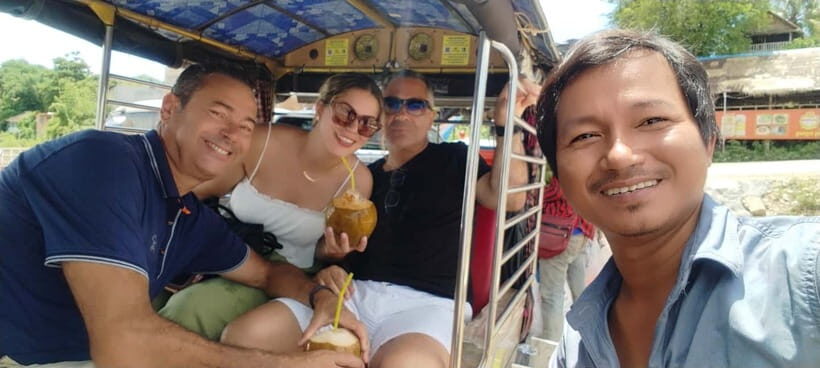
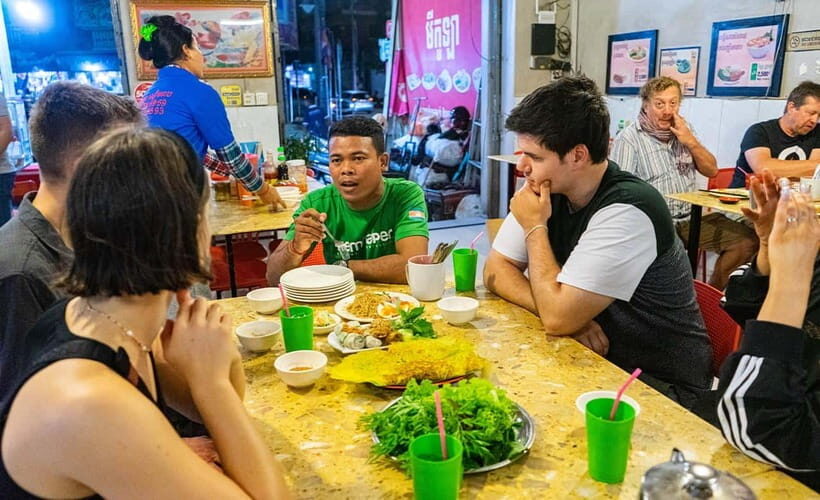
Between the genocide sites and the monuments, there’s a break for lunch. Lunch isn’t included, but your guide can point you toward a good place to eat so you’re not stuck searching while you’re tired.
This reset matters more than you might think. Phnom Penh can be hot, and the emotional weight of the morning makes the break essential. I’d treat lunch like a true pause: drink water, cool down, and let your brain switch gears before the Royal Palace and temple stops.
Other Phnom Penh city tours we've reviewed in Phnom Penh
Independence Monument, Sihanouk Statue, and the Park Strip
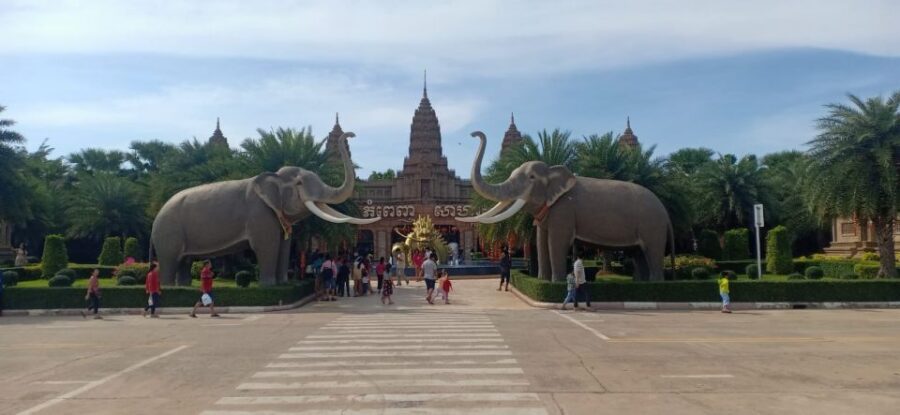
Once you’re back in the city, you’ll start hitting photo-driven stops along the Park Strip area. This is where Phnom Penh shows its public identity through monuments and statues.
You’ll typically pause at:
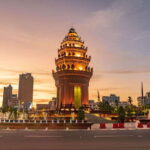
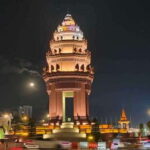
- Independence Monument, tied to Cambodia’s independence from French colonization (1863–1953 is highlighted on this route).
- The Norodom Sihanouk Statue, built in 2013 in honor of the king.
- The Cambodia–Vietnam Friendship Monument, which marks the historic alliance between the two countries.
These stops are brief by design (often around 15 minutes each), which is good because you still have time later for temple and palace visits. The value here is contrast. After the morning’s grim reality, these monuments can feel like a different Phnom Penh—one focused on nationhood, public memory, and rebuilding.
Royal Palace: Where the Architecture Takes Over
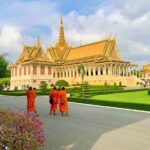
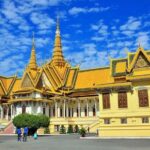
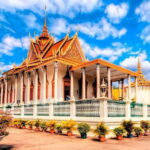
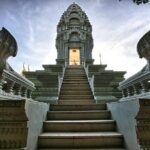
The Royal Palace is a highlight for a reason: it’s one of Phnom Penh’s most photogenic places, and the architecture is the kind that makes you slow down. The tour includes a guided visit inside for about an hour, with entry fees and a guide fee required.
Two things to plan for:
- No audio guide is available at the Royal Palace on this tour format.
- Entry includes a separate $10 guide fee in addition to your palace entry cost.
If you like photography, this is often where you’ll want to linger. Even on a tight schedule, your guide can help you find good angles and timing—especially if you want fewer crowds in key areas.
Also, note the palace gardens and sections can sometimes be inaccessible depending on conditions. If that happens, your guide will work around it so you still get the best possible experience within what’s open.
National Museum (Outside Visit)
You’ll stop at the National Museum of Cambodia, with an outside visit included. That means no long inside time on this specific tour format. You’ll still get a chance to appreciate the building’s architecture and take photos, which is useful if you’d rather spend your energy on the bigger inside experiences like the palace and the temples.
It’s also a good reality check for time management. The tour is designed to keep you moving across the city, so outside-only museum time fits the structure.
Wat Ounalom Monastery: A Key Temple Stop
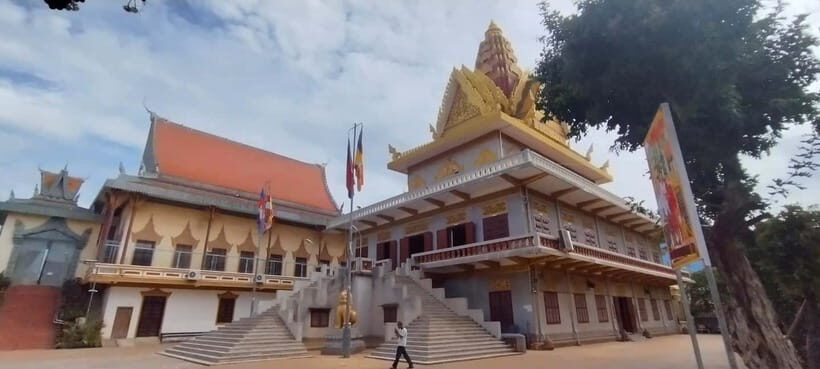
Next comes Wat Ounalom, one of Phnom Penh’s important temples. This stop is scheduled with a photo moment and a visit block of around 30 minutes. Entry is free.
This is a calmer stop compared to the palace and genocide sites. It’s a chance to shift into religious and architectural observation—details like rooflines, courtyards, and how people move through the space. If you like to slow down and watch, this is a place where your guide’s pacing can make a difference.
Wat Phnom and Lady Penh Statue: Closing the Loop on the City
The tour ends with Wat Phnom and the Lady Penh Statue. Wat Phnom has a small entry fee, and Lady Penh is the final stop where you learn who Phnom Penh is named after and why.
This closing works well because it connects Phnom Penh’s modern identity to a story that predates the monuments you saw earlier. You finish with a sense of place, not just a checklist.
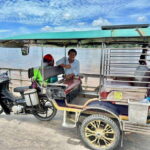
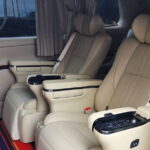
Tuk-Tuk Logistics: The Comfort Part (That Actually Matters)
A tuk-tuk day can feel hot and slow if you’re packed into the wrong vehicle. Here’s what helps:
- You have roundtrip transportation from your hotel.
- You’ll have cold drinking water during the tour.
- Umbrellas are provided if it’s raining.
- The tour runs rain or shine, and the tuk-tuk can be made rainproof.
In Phnom Penh’s heat, water and shade options are not small details. They’re the difference between enjoying monuments and feeling exhausted before the best stops.
I also like that the itinerary doesn’t load every location with long visits. Several stops are structured as photo moments, and then you get real time at the bigger attractions. That keeps the whole day from turning into pure walking.
What You’ll Get Most: Guide Style and Safety
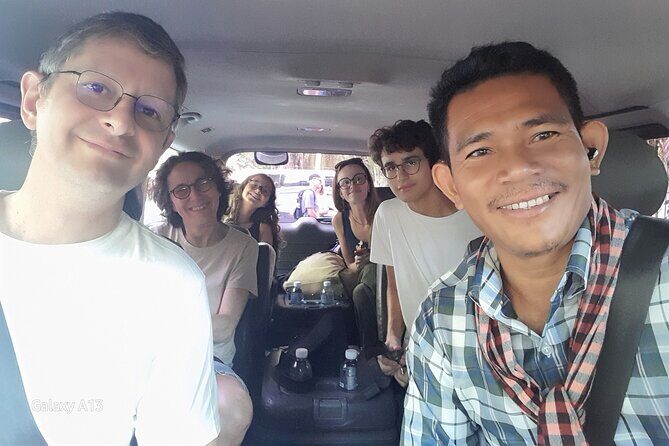
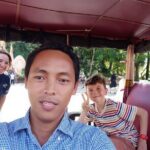
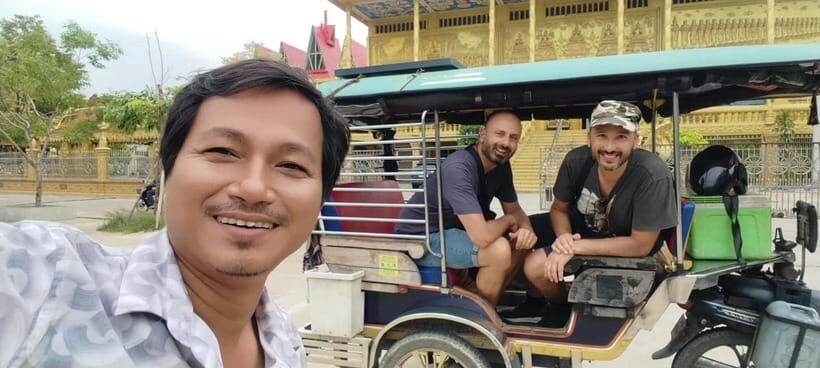
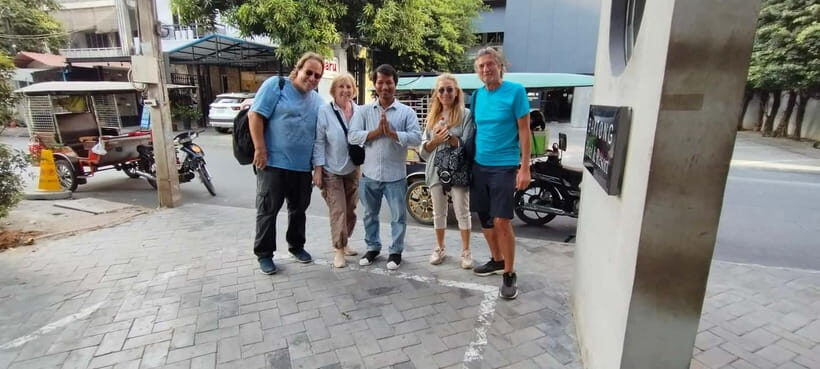
The tour’s value depends heavily on the guide. In the feedback tied to this experience, guides repeatedly show up with the same strengths: clear English, careful driving, and a willingness to help you set your pace.
You might encounter guides like:
- Visal, often described as friendly, energetic, and flexible.
- Elvis, praised for smooth driving and local context.
- Vann, noted for organized timing and strong storytelling.
- Pum, mentioned for looking after luggage and keeping people hydrated.
- Sony, Cow, Lin, Bin, and others, also referenced for helpful explanations and calm, safe transportation.
One small detail that keeps coming up: many guides are ready with cold drinks, and some mention extras like beer along with water. That’s not something I’d treat as guaranteed, but it’s common enough to be worth being pleasantly prepared for.
Also, safety and timing are part of the experience. People value that the guide helps you avoid confusion when you exit attractions, and that you don’t lose time waiting around.
Price and Value: What $20 Gets You (and What Doesn’t)
The listed price is $20 per person, for a private tour format with pickup, drop-off, and tuk-tuk transport. What isn’t included are the entry fees and guide fees for the paid sights, plus lunch.
Here are the main add-ons you should expect for the full day:
- Tuol Sleng Genocide Museum: $10 entry with an audio guide included.
- Killing Fields (Choeung Ek): $6 entry with an audio guide included.
- Royal Palace: $10 for entry plus another $10 for the guide.
- Wat Phnom: $1 entry.
- Lunch: not included.
So you’re not really buying $20 worth of admission. You’re buying a guided, private route with transport and expert pacing, and then paying normal attraction fees on top. That’s usually fair in Phnom Penh, especially for a day that combines city landmarks with two major genocide sites.
If you choose the half-day option, you can reduce the paid attraction load while still getting the same private guiding style focused on the two genocide locations.
Dress Code and Practical Tips That Save Friction
This tour has a clear rule: no sleeveless shirts. It’s simple, but it matters because you’ll be entering religious spaces and official buildings. Wear something comfortable that covers your shoulders and doesn’t make you feel sticky in the heat.
For your day pack, I’d include:
- Comfortable shoes (genocide sites and temple areas involve walking).
- Camera (many strong photo opportunities across monuments and palace architecture).
- A light layer or scarf you can use if sun or air-conditioning gets intense.
- A rain plan (you’ll have umbrellas, but a small personal towel and dry clothes can help).
Also consider cash planning for paid sites. At least one guide noted that some fee-based stops may be cash-only, so it’s smart to carry enough for the Royal Palace and other entries.
Who This Tour Fits Best
This is a great fit if:
- You want to see major Phnom Penh sights in one day without navigating tuk-tuk routes on your own.
- You want a private guide who helps connect what you’re seeing to Cambodian history.
- You’re comfortable handling serious content in the morning and then switching to temples and monuments afterward.
It’s also a good choice for couples and solo travelers who want a calm day plan. Since the tour is private, you get more control over pace than group options.
If you’re visiting with mobility limitations, the tour is described as having some walking, particularly at the genocide sites, so you should plan for that in your energy budget.
Should You Book This Private City Tour?
I’d book it if you want one structured day that covers both the emotional core of Phnom Penh and the city’s landmark identity. The full-day version is powerful because it pairs context (Tuol Sleng and Choeung Ek) with the places that represent recovery and public memory (Royal Palace, Park Strip monuments, and key temples).
I’d choose the half-day version if you know the full day would be too much in one sitting. You still get private guiding and audio-supported visits, but you avoid forcing yourself to sprint through the rest of the city right after.
Either way, pick this tour for the same reason many people end up praising it: a private tuk-tuk day with guides who make you feel safe, supported, and able to see the city on your terms.