REVIEW · PHNOM PENH
Phnom Penh: City (no genocide) half day Tour
Book on GetYourGuide →Operated by Visal Tuk-Tuk Tours in Phnom Penh · Bookable on GetYourGuide
A tuk-tuk loop helps you read the city fast. I like how this open-air tuk-tuk half-day tour strings together big symbols of Cambodia, then slows down just enough for photos and real context from your live guide. Two things I especially like are the chance to see Cambodian architecture up close (temples, palace-style buildings, museum grounds) and the quick hits of history that make modern Phnom Penh feel understandable.
One thing to plan for: Royal Palace costs extra if you want to go inside with a guide, and there’s no audio guide, so you’ll want to stay switched on to your guide’s explanations. If you’re hoping for a totally self-guided browse at each site, this isn’t that kind of tour.
In This Review
- Key things to know before you go
- Why this Phnom Penh half-day works so well
- Independence Monument to start: the Khmer details you’ll actually notice
- The Park Strip statues: King Norodom Sihanouk’s legacy in public space
- Chuon Nath Monument: learning through literature and education
- Diamond Island and the river connections you can picture
- Cambodian–Vietnam Friendship Monument: history in a shared corridor
- Royal Palace inside: a must-see, but budget for the add-ons
- National Museum architecture: outside visit, free, and very photo-friendly
- Wat Ounalom: a key temple with a long timeline
- Wat Phnom and Lady Penh: tiny ticket, big symbolic payoff
- Central Market drop-off: what to do with the last stretch
- Price and value: $25 for a full city-center orientation
- Who should book this tour
- Practical tips so your day goes smoothly
- Should you book this Phnom Penh city half-day tuk-tuk tour?
- FAQ
- How long is the Phnom Penh half-day city tour?
- What is included in the $25 price?
- Are entrance fees included?
- Do I need to pay extra for the Royal Palace visit?
- Is there an audio guide?
- What languages will the guide speak?
- What should I bring for the tour?
Key things to know before you go
- City-center pace, 5 hours: Built for seeing a lot without burning a whole day.
- Independence Monument first: A strong starting point for understanding modern Cambodia.
- Diamond Island + river connections: Great for photos and for picturing how Phnom Penh functions.
- Royal Palace inside visit (with add-on): You can go in, but it’s not included in the base price.
- Temple variety: Wat Ounalom and Wat Phnom add major religious landmarks to the mix.
- Central Market drop-off: Easy way to turn the last part of your afternoon into shopping or snacks.
Why this Phnom Penh half-day works so well
Phnom Penh can feel like a lot at once. This tour solves that problem with an efficient route through key city sights, all within a half-day window. You’re not trying to conquer the entire capital. You’re getting the main visual clues that help the rest of your time make sense.
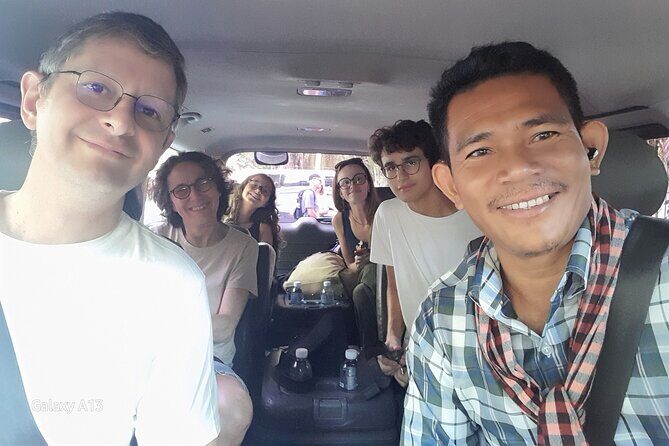
You also travel in an open-air tuk-tuk, which is honestly the best way to keep your bearings. You see the streets and landmarks as you move, not just as dots on a map. And because it’s a private group, you’re not stuck waiting around for people who move at a different speed.
The tour’s focus also matters: it’s a city-history and landmark day, not a heavy, themed experience. If you want Phnom Penh’s present-day identity—monuments, museums, temples, and daily street life—this is a practical way to get it.
Other city tours we've reviewed in Phnom Penh

Independence Monument to start: the Khmer details you’ll actually notice
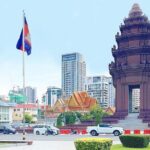
Most tours dump you at a random first stop. This one starts with Independence Monument, a symbol of Cambodia’s liberation from French rule. What makes this stop worth your time is the look of it. The Khmer-inspired design elements are the kind of detail you can spot once your guide points them out.
I like using independence monuments as a mental anchor. After you see this, the rest of the city’s major markers start to feel connected—like they’re all answering the same big question: who Cambodia is, and how it wants to be remembered.
Practical tip: bring your camera settings ready. At this point in the tour, light and angles can be photo-friendly, and you’ll likely want a few quick compositions before you move on.
The Park Strip statues: King Norodom Sihanouk’s legacy in public space
Next up is the King Norodom Sihanouk Statue, located along Phnom Penh’s well-known Park Strip. The big advantage here is simple: you’re seeing how national figures are memorialized in everyday public space. This isn’t tucked away in a museum basement. It’s part of the city’s normal visual rhythm.
The statue was built in honor of Sihanouk in 2013 after his death. Your guide’s job here is to translate that date into meaning—how Cambodia chooses to remember leaders through visible monuments. If you’re the type who likes to understand what you’re looking at rather than just snap a picture and move on, this stop plays to your strengths.
Chuon Nath Monument: learning through literature and education
Then you’ll go to the Chuon Nath Monument, which celebrates one of Cambodia’s major monks famous for literary work and education. This is a smart change of pace from the usual “war and politics only” sightseeing loop.
Instead of focusing only on state power, Chuon Nath adds a different kind of legacy: writing, schooling, and language. The tour frames him through themes you can actually relate to—curriculum, the first Khmer dictionary, and a national song. Even if you don’t know much Khmer history yet, this stop gives you one of the clearest entry points.
Diamond Island and the river connections you can picture
Diamond Island is one of those places where a small geographic detail makes a big difference in how you understand a city. Here, the key idea is that you’re seeing the four river connections that come together around Phnom Penh.
This is the stop I’d point to if you want at least one moment that feels like “okay, I get the geography now.” Your guide helps you link the monument-heavy city center with the water system that shapes movement, trade, and where people build.
If you enjoy skyline-style photos, this is where you’ll likely spend a little extra time lining up shots—because the setting helps you frame the city.

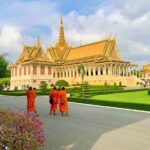
Cambodian–Vietnam Friendship Monument: history in a shared corridor
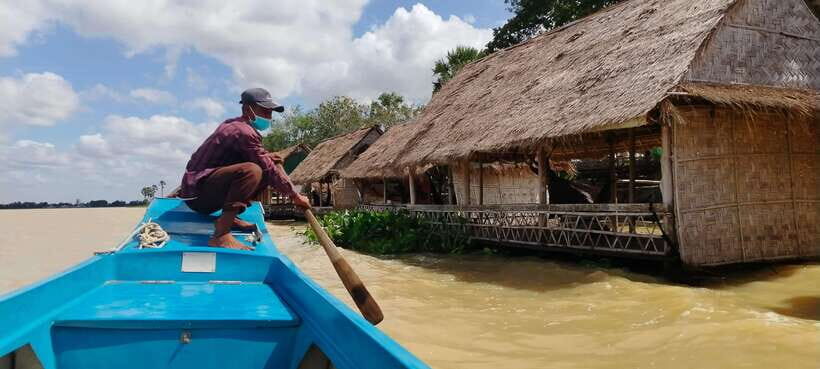
After the river view, you’ll head to the Cambodian Vietnam Friendship Monument, which commemorates the former alliance between the two countries. It’s not just a sculpture stop. It’s a way to understand that Phnom Penh’s story is tied to regional relationships, not only internal politics.
This is also a good moment to notice the language of monuments: the same city that holds independence symbols also includes alliance memorials. That mix tells you something about how Cambodia talks about its past.
Royal Palace inside: a must-see, but budget for the add-ons
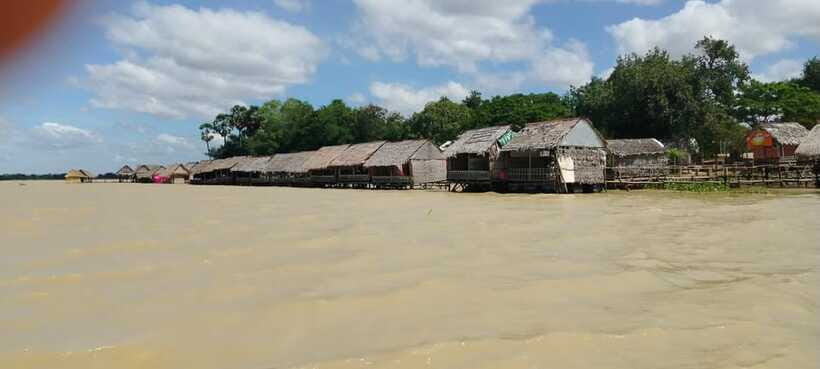
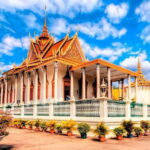
The big draw for many people is the Royal Palace. The tour takes you there with the chance to visit inside and appreciate the architecture. The photographic opportunities are a real plus here, because palaces are built for symmetry and perspective.
But here’s the practical math: Royal Palace entry is $10, and there’s another $10 if you choose to have a guide inside. The tour also notes that there is no audio guide, so inside the palace you’re relying on your live guide’s explanations.
If you’re budget-conscious, you can treat this like a decision point:
- If you want the architecture and context, paying for the inside guide can make the visit feel more meaningful.
- If you just want key exterior views and you’re moving on quickly, you might decide to skip the inside guide cost.
Either way, dress and behavior matter. Comfortable clothing helps because you’ll be standing and walking for stretches. And if you’re planning to photograph, keep your camera ready but be respectful of where you can stand.
National Museum architecture: outside visit, free, and very photo-friendly
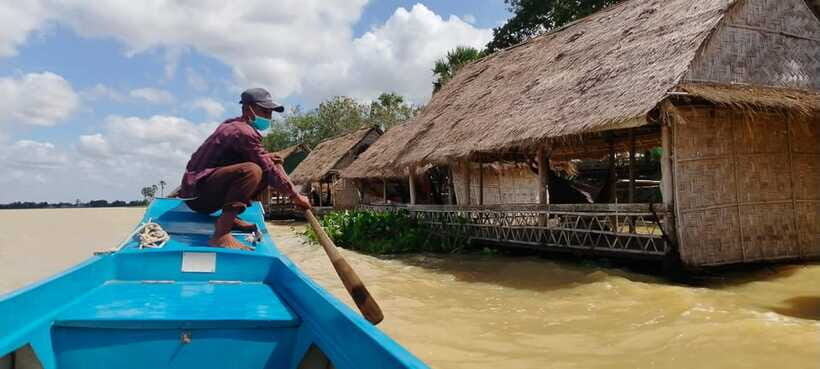
Next comes the National Museum, widely loved for the way the building itself looks. The visit here is outside only, and that part is free. Even without entering, you still get a strong feel for Cambodian architectural style.
I like this kind of stop because it keeps you moving. You’re not stuck with one long ticketed attraction. Instead, you get a visual reset: a new shape, new colors, new lines to compare with everything you’ve already seen.
This is also a good place to get a few photos of the façade and surroundings, especially if the light is cooperative.
Wat Ounalom: a key temple with a long timeline
Then the tour shifts into religious landmark territory with Wat Ounalom. The temple was originally built in 1442, and it’s considered one of Phnom Penh’s most important temples. Entry here is free.
This stop is valuable because it gives you a sense of continuity. Independence monuments and national statues are about modern identity. Wat Ounalom adds a much older timeline, showing how spiritual life has been part of the city for centuries.
If you want to capture respectful photos, take your time at the edges first. Look, understand what’s happening, then frame your shots. A little patience goes a long way with temples.
Wat Phnom and Lady Penh: tiny ticket, big symbolic payoff
Next is Wat Phnom, with an entry fee of $1. You’ll also see the associated Lady Penh Statue.
This is one of those stops where the cost is small but the meaning sticks. Wat Phnom is tied to local legend and the identity of Phnom Penh itself, and the Lady Penh connection helps you understand why this place remains a must for first-time visitors.
Even if you’re not an expert on religious sites, this kind of stop works because you’re seeing how people gather, pray, and keep traditions alive. Just keep your expectations grounded: it’s a temple site, not a theme park.
Central Market drop-off: what to do with the last stretch
At the end, you’ll be dropped off at Phnom Penh’s Central Market, where you can shop for everything from clothing to handmade crafts. This is a smart way to end the tour because it gives you immediate, practical freedom.
Once you’ve seen the monuments and temples, shopping becomes more than shopping. You can look for souvenirs that match what you learned earlier, or simply pick up small items while the day is still young.
Price and value: $25 for a full city-center orientation
At $25 per person for about 5 hours, this tour is priced like an efficient introduction. You’re paying primarily for:
- Transport around the city center
- A live English-speaking Cambodian guide
- The structure of a route that strings together major landmarks without you needing to plan each segment
Entry fees are not included. You should budget for them where they apply:
- Wat Phnom: $1
- Royal Palace: $10 entry, plus another $10 if you want a guide inside
So the best value depends on what you choose at the palace. If you’re doing the palace inside visit with the guide, you’ll spend extra. But if you’re prioritizing the big photo moment and want clearer context, that added cost can be worth it.
Also, the tour includes cold drinking water, which sounds small until you’re out walking and it’s hot.
Who should book this tour
This is a great match if you want:
- A half-day in Phnom Penh that actually helps you understand the city
- A route focused on major landmarks and easy navigation
- A private setup where your guide can answer questions and keep your pace
It’s especially useful for first-timers who don’t want to get stuck choosing between too many attractions. It’s also a good fit if you like architecture and symbols—monuments, palace-style design, and temple sites—more than long museum marathons.
If you already know a lot of Cambodian history and you want slower, deeper time at fewer places, you might prefer a longer tour. But for a first taste, this one is built for momentum.
Practical tips so your day goes smoothly
A few small things make a big difference on a day like this:
- Wear comfortable shoes. You’ll be walking between stops.
- Bring a sun hat and plan for sun exposure.
- Have your camera ready, because there are multiple photo opportunities.
- Keep your smartphone charged for maps and quick memories.
Also, because there’s no audio guide, you’ll get more out of the tour if you listen actively. If you’re the kind of person who asks questions at every stop, this style will feel satisfying.
Should you book this Phnom Penh city half-day tuk-tuk tour?
If you want an efficient, landmark-focused introduction to Phnom Penh—without the heavy, themed focus some tours take—then yes, I think this is a smart booking. It hits the big national and spiritual sites, includes transport and a helpful guide, and finishes with Central Market so you can convert the last hour into shopping or snacks.
Book it if you care about architecture and symbols, and if you’re okay paying small add-ons for specific entries like the Royal Palace inside guide. Skip it only if you’re aiming for an ultra-slow, fully self-directed day where you don’t need to pay attention to a guide.
FAQ
How long is the Phnom Penh half-day city tour?
The tour lasts about 5 hours.
What is included in the $25 price?
Transport and cold drinking water are included.
Are entrance fees included?
No. Wat Phnom costs $1, and Royal Palace entry is $10 plus an additional $10 for a guide if you choose that option.
Do I need to pay extra for the Royal Palace visit?
Yes, Royal Palace has an entry fee ($10), and there is another $10 if you want a guide inside.
Is there an audio guide?
No, the tour does not offer an audio guide. You’ll rely on the live guide.
What languages will the guide speak?
The live tour guide speaks Cambodian and English.
What should I bring for the tour?
Bring comfortable shoes, a sun hat, a camera, comfortable clothes, and a charged smartphone.