REVIEW · PHNOM PENH
Oudong Mountain & Phnom Baset Private Tours from Phnom Penh
Book on GetYourGuide →Operated by About Cambodia Travel and Tours · Bookable on GetYourGuide
Stairs and stupas make Oudong unforgettable. I love the private air-con vehicle and an English-speaking guide who turns the day into a readable story from royal capital to modern history; the one drawback is the Oudong hill walk, because you’ll climb about 500 steps.
For $25 per person and an 8-hour schedule with hotel pickup and entrance fees included, this is one of the easier ways to see Kampong Speu Province without working out transport. The stops are spread out just enough to keep it interesting, but you still need comfortable legs for a full day.
In This Review
- Key highlights worth planning for
- A Phnom Penh day trip that actually makes sense
- Getting to Oudong in comfort: private AC vehicle + hotel pickup
- Oudong Temple and the 500-step climb: royal capital and Khmer Rouge memorial
- Phnom Baset: a pre-Angkorian temple and a reclining Buddha
- Tonle Sap River photo stops and the real Cambodia route
- The Buddhist stops: Vipasana Center and Sontte Wan’s decoration
- Phreah Reach Traop Mountain and Udong Stupa Gate: quick scenic breaks
- Markets and everyday life: Khmer Food Market and how the day stays human
- Silver craft stops: Silver Smith Making Village and Bopha Kampong Luong
- Wat Preah Thama Srah and Wat Sowann Thamareach: the finishing temple chapter
- Price and value: is $25 per person fair for an 8-hour private tour?
- Who should book this tour?
- Quick tips to make the day smoother
- Should you book this Oudong Mountain & Phnom Baset Private Tour?
- FAQ
- How long is the Oudong Mountain & Phnom Baset private tour?
- Where does the tour start and end?
- Is this tour private or shared?
- Is the tour guide English-speaking?
- Are entrance fees included?
- What does the price include?
- What should I bring?
- Do I need to tip the guide or driver?
Key highlights worth planning for
- Private, hotel-to-hotel pickup that removes the Phnom Penh logistics headache
- Oudong’s huge stupas visible from far away, plus the famous stair climb and views
- Phnom Baset’s 8th-century temple and the reclining Buddha
- Tonle Sap river crafts along the route, including silver/bronze-making work
- Sontte Wan Buddhist Meditation Center as a standout stop for decoration and atmosphere
- Guides like Mr. Sam are known for connecting Khmer history to what you’re seeing
A Phnom Penh day trip that actually makes sense
This Oudong Mountain & Phnom Baset private tour is built like a circuit: you leave Phnom Penh in the morning, hit Oudong and Phnom Baset, then wrap the day with river views, Buddhist sites, and craft villages. What makes it feel worthwhile is how the route mixes big landmark history with smaller, human-scale moments like markets and metalwork.
You’ll walk, take photos, and get the kind of context that helps the temples stop feeling like random stops. Instead, they connect—royal capital, religious power, and later conflict—then fade back into rice fields and everyday village life.
Other Oudong Mountain and countryside tours in Phnom Penh
Getting to Oudong in comfort: private AC vehicle + hotel pickup
Your day starts with pickup at your Phnom Penh hotel and ends with drop-off back at the same place. That alone matters: Oudong is far enough that transport planning can eat time, and time is the one thing you don’t get back on an 8-hour schedule.
You travel by private, comfortable air-con vehicle, which is a big deal in Cambodia heat. Since the tour also includes a professional English-speaking licensed guide, you won’t be left figuring things out on your own at the entrances or during walks.
Oudong Temple and the 500-step climb: royal capital and Khmer Rouge memorial
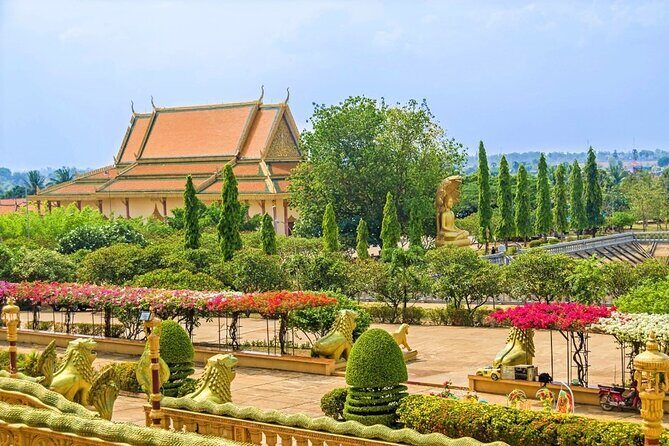
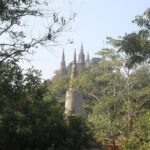
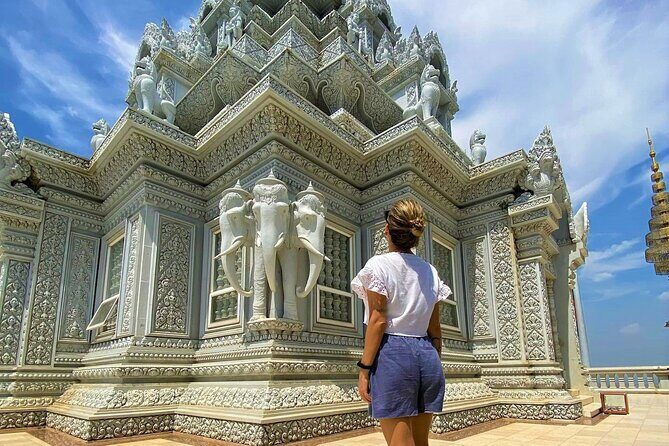
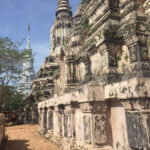
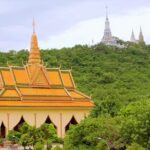
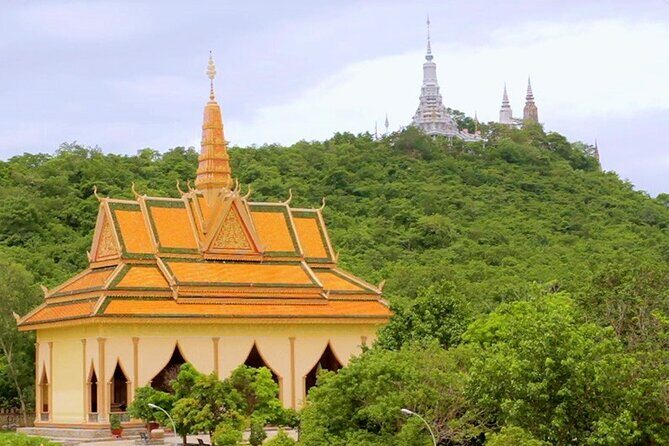
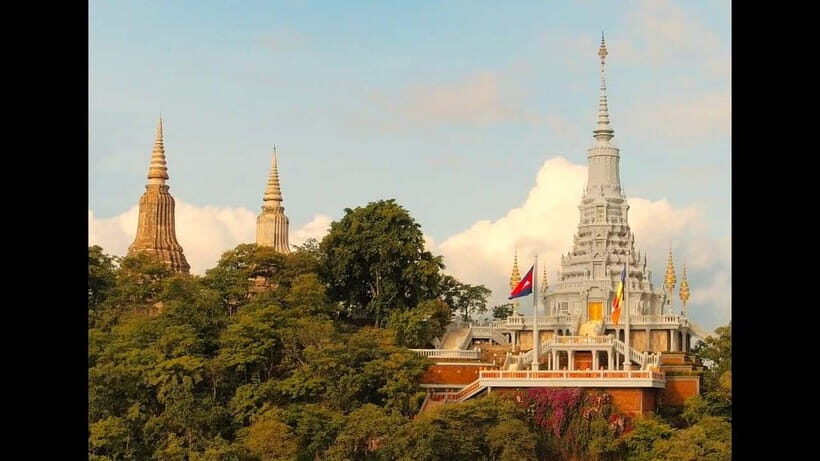
Oudong is the emotional and physical centerpiece. It was the royal capital between 1618 and 1866 before the capital moved to Phnom Penh, and the temples and stupas cover three hills. Even if you’re not chasing “perfect photos,” you’ll feel why people call it famous: those large stupas sit high and visible for miles.
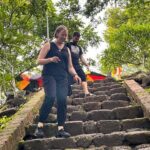
The climb is about 500 steps. It’s not just exercise for exercise’s sake—this is how the site works. As you go up, the countryside opens out and the hills’ role as a strategic location becomes easier to understand.
Inside the stupas, remains of several Khmer kings are said to be kept, including King Monivong (1927–1941) and King Ang Duong (1845–1859). That royal detail matters because it changes how you look at the structure: you’re not just seeing architecture; you’re seeing a place designed to hold power and memory.
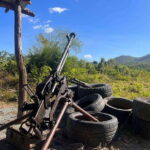
There’s also a 1979 layer you should know before you arrive. These hills were used for prolonged resistance during the Khmer Rouge period against the Vietnamese army, and a memorial to those murdered by the Khmer Rouge was built here. When you pair that with the climb, the day lands with more meaning than a typical sightseeing outing.
Practical note: you’ll have photo stops and guided time around Oudong, with a walk included. If you’re sensitive to steep climbs or sore knees, pace yourself on the stairs—slow steps beat stopping halfway out of breath.
Phnom Baset: a pre-Angkorian temple and a reclining Buddha
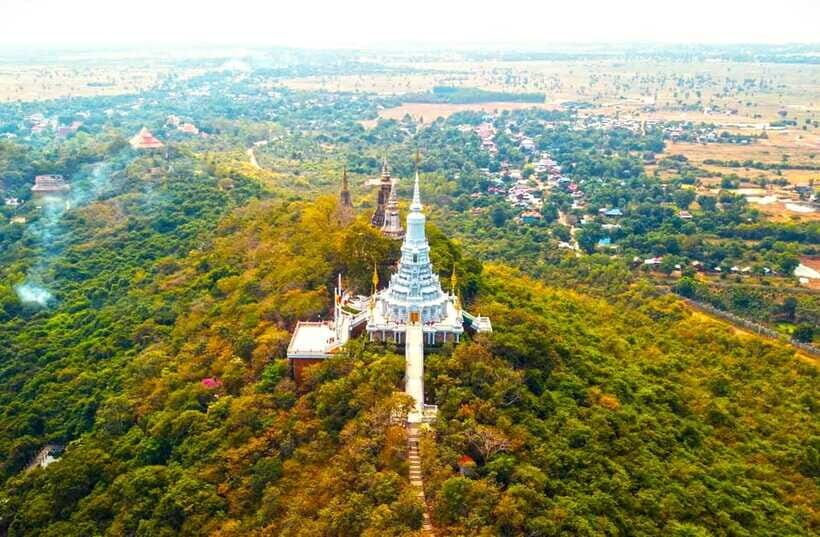
After Oudong, you move to Phnom Baset, a very different mood. This is a pre-Angkorian temple from the 8th century, and the standout feature here is the reclining Buddha.
The appeal is how the site feels less like a single photo point and more like a place to observe. The walk time is short, and the guided visit helps you notice details you might otherwise miss in a quick stop. You’ll also get viewpoints over the plains and rice fields in the surrounding area, which gives the day a calmer rhythm after Oudong.
If Oudong hits you with scale and history, Phnom Baset tends to feel more intimate—still historic, but more “stay and look” than “climb and conquer.”
Tonle Sap River photo stops and the real Cambodia route
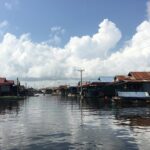
The tour includes a Tonle Sap River stop. You get time for photos, a guided visit, and a short walk. Even when you only spend about 25 minutes here, it helps you understand how the region lives with water—Cambodia isn’t just temples; it’s also rivers, fishing economies, and the daily work that supports communities.
One of the practical bonuses is that the tour weaves in craft-making areas tied to the Tonle Sap river zone. There’s a stop at Koh Chen, where you’ll see villagers making silver and bronze products for supplying Cambodia and export abroad. That’s a meaningful change of pace from stone and mortar. You’re trading the “ancient power” feeling for hands-on work and modern livelihoods.
Other private tours in Phnom Penh

The Buddhist stops: Vipasana Center and Sontte Wan’s decoration
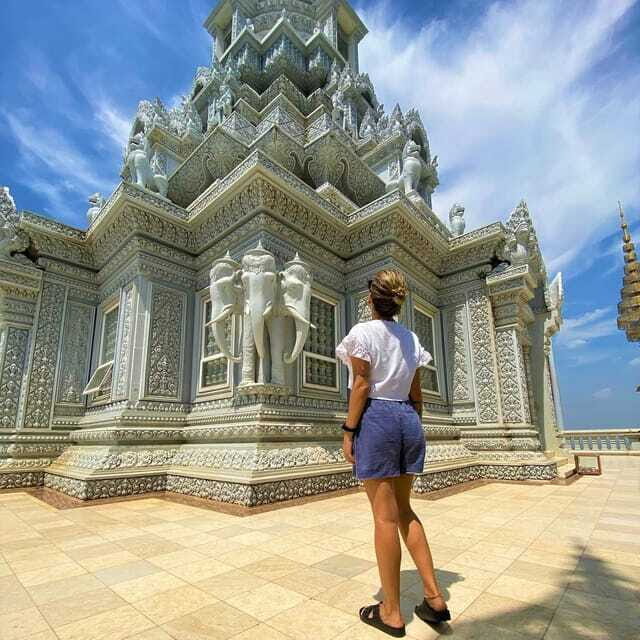
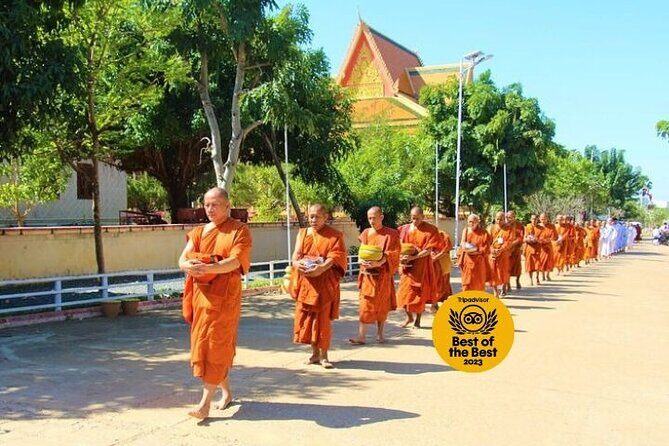
Cambodia is full of temples, but not all Buddhist stops feel the same. This tour includes Cambodia Buddhist Vipasana Center and also Sontte Wan Buddhist Meditation Center, with the latter noted as the largest Buddhist center in Cambodia.
At Sontte Wan, plan to slow down a touch. The tour time includes guided sightseeing and a walk, and the reason it’s called out is the decoration—something you’ll feel more than you’ll try to “measure” with your camera. It’s the kind of place where the guide’s explanations can really help, because the visual details get more interesting when you know what you’re looking at.
The Vipasana-style stop also adds texture to the day. You’re not only looking at historic temples; you’re seeing contemporary religious life with its own tone and routines.
Phreah Reach Traop Mountain and Udong Stupa Gate: quick scenic breaks
Between the larger temple moments, you’ll get short stops that keep the route from feeling like a sprint. There’s a photo stop and guided sightseeing on the way at Phreah Reach Traop Mountain, with scenic views included. Even with only about 15 minutes, these quick vantage points can refresh your eyes after sitting or walking at temples.
Later, you’ll visit the Gate to Udong Stupa. It’s another way to break up the day while still staying connected to the Oudong story. A gate sounds simple, but in places like this, thresholds matter—they frame movement between sacred spaces and the outside world.
Markets and everyday life: Khmer Food Market and how the day stays human
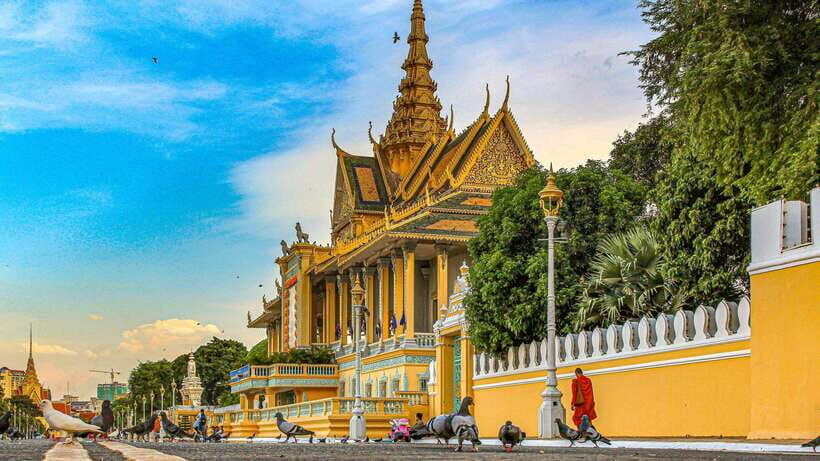
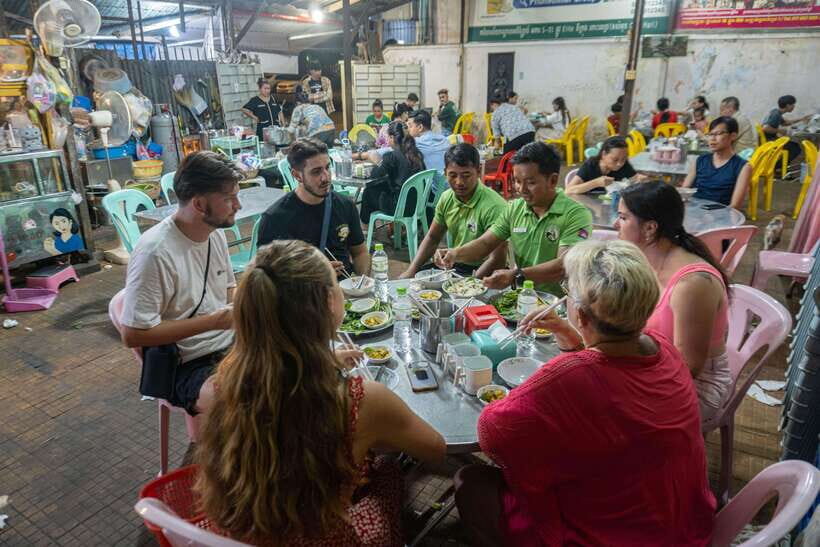
One of the stops many people appreciate on this route is the Khmer Food Market. It’s not a long hang-out, but you get photo time, a guided visit, and a walk.
Why this matters: after hours of temples, a market stop snaps you back into normal life. It also gives your guide room to explain local routines you won’t find in guidebooks, like what people buy, what’s seasonal, and how daily commerce sits alongside religious sites.
If you’re hoping for only temples, you might feel this part takes time. But if you want a day trip that feels Cambodian instead of just “Cambodian sights,” this is the right kind of filler.
Silver craft stops: Silver Smith Making Village and Bopha Kampong Luong
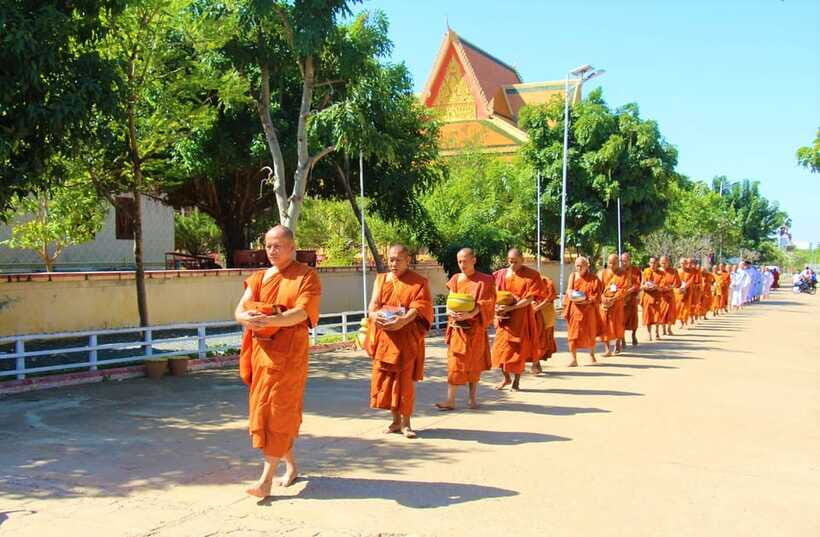
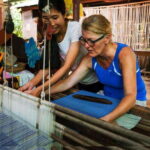
The craft theme continues after Koh Chen. You’ll have stops related to silver handicrafts, including Silver Smith Making Village and Bopha Kampong Luong silver handicraft.
These aren’t just photo backdrops. The purpose is to see the process and understand the craft as a supply chain—where materials, tools, and labor turn into products that go beyond the village. If you like to travel with your eyes open (not just your phone ready), these stops add real texture.
And they’re a nice balance against the heat and steep walking at Oudong. Craft visits are often more about standing, looking, and listening—less about climbing.
Wat Preah Thama Srah and Wat Sowann Thamareach: the finishing temple chapter
Near the end of the day, you’ll visit additional temple sites, including Wat Preah Thama Srah and Wat Sowann Thamareach. Wat Preah Thama Srah includes a longer sightseeing and walk time (about 50 minutes) plus scenic views on the way, while Wat Sowann Thamareach is shorter (about 30 minutes).
This is a good stage of the tour for “soft focus.” By then, you’ve already gotten the major anchor points. These later visits help you notice patterns: temple layout choices, how locals use sacred space, and how different sites relate to each other geographically across the plains.
If you’re taking photos, this is where you’ll get a second chance to frame shots without the pressure of the first climb.
Price and value: is $25 per person fair for an 8-hour private tour?
At $25 per person for an 8-hour private tour, the headline is the mix of what’s included. Your price covers hotel pickup and drop-off, a professional English-speaking licensed guide, all entrance fees, and private transfer by a comfortable air-con vehicle. It also includes services charges and current government VAT.
That package can be good value if you want:
- a full day without figuring out tickets and routes
- a guide who can explain what you’re seeing while you’re still there
- entrance fees handled so the day stays smooth
The main “watch this” is pacing and expectations. This itinerary stacks a lot of stops into one day. If you personally only care about a single big site and don’t want temple-to-temple time, the total cost can feel high for what you’re chasing.
Also, tipping isn’t included, so plan a little extra for the guide and driver.
Who should book this tour?
Book this if you want a structured day that blends iconic sights with real-life Cambodian crafts. It’s especially a fit when you like context—history, religion, and how people live around the Tonle Sap area.
You should think twice (or set your expectations) if you know you struggle with steep stairs, because Oudong’s hill climb is a major part of the day.
If you’re traveling with kids, it may work only if everyone can manage the steps comfortably and you’re ready to pause often. For older travelers, the private pace is helpful, but the stairs are still stairs.
Quick tips to make the day smoother
Bring sunscreen and a hat. Expect walking time across multiple sites, including the hill climb at Oudong. If you want photos, start early at major viewpoints so you’re not rushing when the heat climbs.
And yes, bring good patience for a day that runs full. This tour is meant to cover a lot, so treat it like a day-long outing, not a slow stroll.
Should you book this Oudong Mountain & Phnom Baset Private Tour?
I think this is a strong choice when you want one organized day that covers the big Oudong and Phnom Baset highlights plus Buddhist centers and silver-making villages—without the stress of transport planning. The included guide, vehicle, and entrance fees make it easier to trust that you won’t hit surprise costs mid-day.
If you’re chasing only one or two sites and would rather spend the rest of the day free on your own, you may want to compare against a shorter tour. But for $25 per person with a private guide, this itinerary is built to give you a full sense of Kampong Speu in a single swing.
FAQ
How long is the Oudong Mountain & Phnom Baset private tour?
The tour runs for 8 hours.
Where does the tour start and end?
Pickup and drop-off are included at your hotel in Phnom Penh.
Is this tour private or shared?
It’s a private group available.
Is the tour guide English-speaking?
Yes, the live tour guide speaks English and is described as a licensed professional.
Are entrance fees included?
Yes, all entrance fees for the tour sites are included.
What does the price include?
It includes hotel pickup and drop-off, the English-speaking licensed guide, entrance fees, private air-con vehicle transfers, and service charges and government VAT.
What should I bring?
You should bring sunscreen and a hat.
Do I need to tip the guide or driver?
Tips for the tour guide and driver are not included.