REVIEW · PHNOM PENH
Phnom Penh Birding Experience and Brunch
Book on Viator →Operated by Vana Adventure Travel · Bookable on Viator
Morning birding in Phnom Penh feels like a secret. It’s a half-day run that gets you out early from the Areyksat ferry dock, crosses the river, and lands you in Mekong wetlands where you can look for wetland birds and Cambodian specialties like the Cambodian Tailorbird.
I really like two parts of this experience: the small group size (max 10) and the way guide Thong helps you read where birds will actually be, not just what’s on a checklist. I also like the mix of habitats you cover in a few hours—paddy fields and lotus farms, then deeper wetland areas—so the bird list feels earned rather than random.
The main trade-off is simple: it starts early and you’ll be up on your feet for several hours. If you hate mornings, or you don’t do well standing and walking on uneven ground, plan to go slow and bring the basics to stay comfortable in the heat and humidity.
In This Review
- Key highlights worth knowing
- Why This Phnom Penh Birding Morning Works
- Areyksat Ferry Dock at 6:00: The Morning Starts Moving
- 7NG Road Paddy Rice Fields and Lotus Farms: Where Birds Feed Quietly
- Breakfast at PHSAR DEK: Open-Air Coffee With Lake Views
- Chasing Cambodian Tailorbird at Skyland 7NG: A Real Target
- What You’ll See: Wetland Birds and the Names That Make You Care
- Gear, Guide Style, and How to Get Better Sightings
- Price and Logistics: Is $85 Good Value?
- Who Should Book This Phnom Penh Birding Experience
- Book It or Pass: My Bottom Line
- FAQ
- What time does the tour start?
- Where does the tour begin?
- How long is the birding experience?
- What is included in the $85 price?
- Do I need to bring my own binoculars?
- What should I pack or plan for?
- Is there a limit on group size?
- What is the cancellation policy?
- FAQ
- Does the tour include admission tickets?
- Is pickup available?
- Is a mobile ticket used?
- Can I bring a service animal?
- How far in advance should I book?
Key highlights worth knowing
- Early ferry start at Areyksat: You’re out before the city fully wakes up.
- Max 10 people: Easier spotting and more time with the guide.
- Binoculars included: Handy for judging distance and bird behavior.
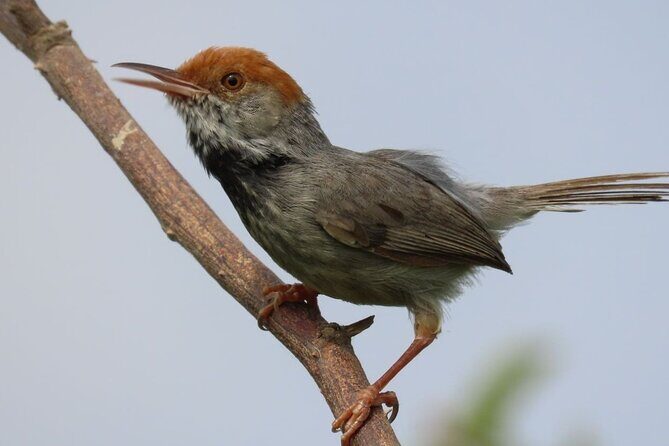
- Targeting Cambodia’s endemic Cambodian Tailorbird: A special species with a very specific habitat.
- Open-air breakfast with coffee: A calm pause that still keeps you in bird-country.
- Wetland bird focus: Great chance for waterbirds, grassbirds, and waders around the Mekong side.
Why This Phnom Penh Birding Morning Works
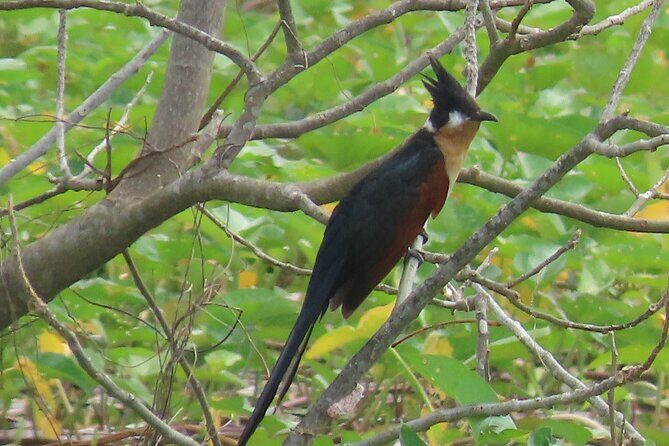
This tour is built for one thing: getting eyes on real wetland birds in a short window. You’re not stuck in traffic. You’re not waiting around in the city. Instead, you’re moving from Phnom Penh’s river edge toward floodplain habitat while it’s still cool enough to enjoy scanning and listening.
The price—$85 per person—might sound steep until you think about what you’re paying for: a dedicated birding guide, binoculars, and transport out toward the Mekong wetlands, plus breakfast and coffee. For a half day, that’s usually where the math works when the guide is good and the targets are specific.
I also appreciate that this is a birding-focused morning, not a sightseeing shuffle. You’re there to spot and learn. The stop flow keeps you in the right places at the right times of day.
If you're still narrowing it down, here are other tours in Phnom Penh we've reviewed.
Areyksat Ferry Dock at 6:00: The Morning Starts Moving
The day kicks off around 6:00am at the Areyksat ferry dock (near Koh Pich Island). Pickup is offered, and you should aim to arrive about 15 minutes early so you’re not rushing when the departure time comes.
Then you cross the river by ferry. That part matters more than it sounds. Wetlands for birding are often outside the city center, and the ferry crossing is one of the faster ways to set your direction early without burning time.
You’ll also get oriented fast. In birding tours, the first stretch sets your pace—how often you stop, how the guide asks you to look, and what the group is ready for. With a small headcount, it’s easier to get everyone on the same bird.
7NG Road Paddy Rice Fields and Lotus Farms: Where Birds Feed Quietly
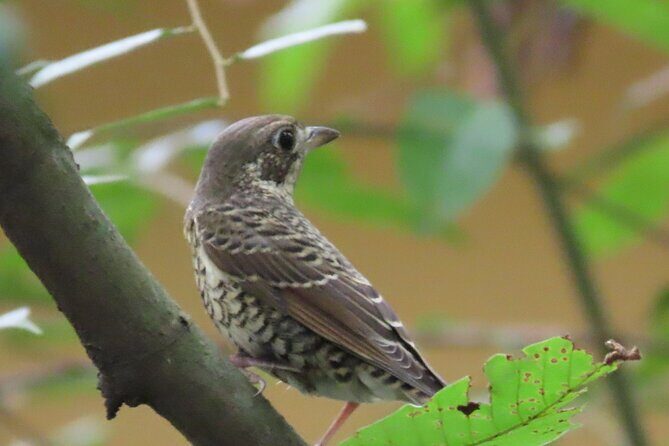
Around 6:30am, you arrive in the 7NG Road area (Skyland 7NG zone). This is where the tour shifts from city logistics to bird habitat.
Expect a short walk through paddy rice fields and around lotus farms. These wet, structured environments tend to attract birds that feed and move under cover—waterbirds, small rails and herons, and birds that don’t always show up in open fields.
A practical tip here: lotus and rice habitat can hide birds even when they’re close. You’ll get better results if you slow down and watch for movement first, then confirm with a scan. Thong’s approach (from what I’ve learned to look for in good bird guides) is usually about teaching you what “promising” looks like—edges of water, floating vegetation, and spots where birds feel safe enough to keep working.
One drawback of this kind of habitat walk: you’ll be standing and looking in humid conditions. Light clothing helps, and you’ll want to keep your posture relaxed so you can scan without getting stiff.
Breakfast at PHSAR DEK: Open-Air Coffee With Lake Views
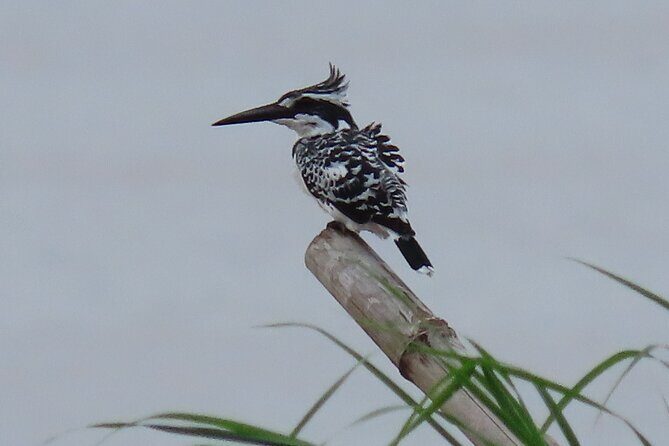
At about 7:30am, you stop for breakfast in Kandal Province at PHSAR DEK (at a local restaurant nearby). This is included, along with coffee and/or tea.
What I like about this break is that it doesn’t feel like a random detour. You’re still in the morning flow, still close enough to bird habitat that you’re not totally switching gears. The added bonus is that the restaurant has an open-air setup with views of a small lake. That’s exactly the kind of place where birds can show up while you eat—so you can start scanning again almost immediately after your plate is done.
Since snacks aren’t included, this is a good time to finish your breakfast fully. If you tend to get hungry again quickly, you may want to consider bringing a small personal snack on top of what’s provided (the tour includes breakfast, coffee/tea, but doesn’t list extra snacks).
Chasing Cambodian Tailorbird at Skyland 7NG: A Real Target

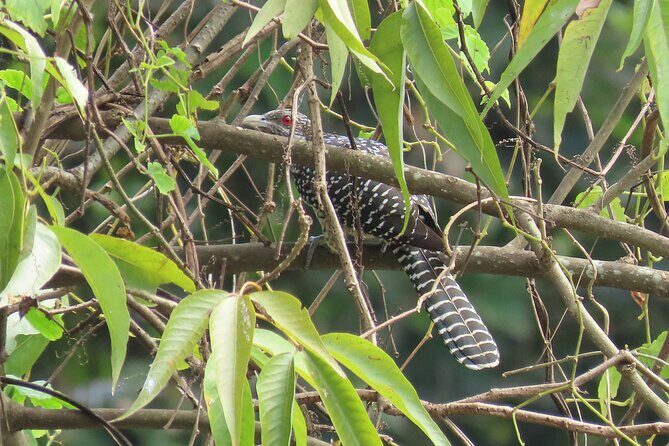
Around 8:20am, the tour continues to the Skyland area with a focus on the Cambodian Tailorbird. This is the headline target for a reason: it’s endemic to Cambodia and likely tied to dense shrub habitat in the floodplain of the Mekong region.
That species requirement changes how you should think about the morning. You’re not just “looking for birds.” You’re looking for the right micro-habitat—dense cover, floodplain shrubs, and the places where the bird can actually live and feed. That’s why patience matters here more than fast walking.
The tailorbird search also helps you understand the broader birding story of this region. Floodplains are dynamic. Water changes, vegetation shifts, and the birds respond. When a guide is strong, you feel that as a calm, methodical search rather than frantic movement.
This stop lasts about 3 hours, which is a long enough stretch to re-check promising areas and adjust your viewing position when birds are active. In other words: you’re not getting a quick glance and being moved on.
What You’ll See: Wetland Birds and the Names That Make You Care
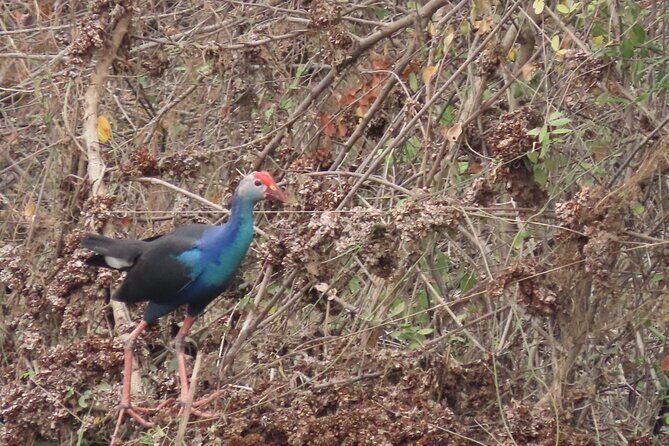
This tour is designed around wetland birding, and the bird list is the kind that makes you pay attention to details like water edges and vegetation height. From the areas you visit, you can have good chances for species such as:
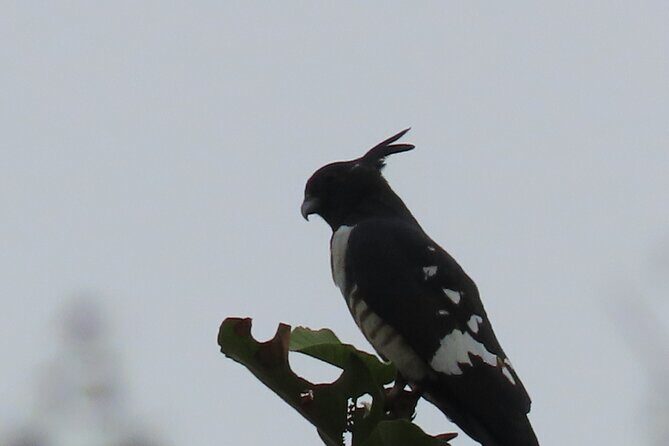
- Purple Swamphen and Black Drongo (wetland and wooded edge overlap)
- Chinese Pond Heron, Javan Pond-Heron, and White-breasted waterhen (water and shallow margins)
- Pheasant-Tailed Jacana and Bronze-winged jacana (floating vegetation zones)
- Common Greenshank and Common Snipe (wader habitat)
- Bee-eaters like Green Bee-Eater and Blue-tailed Bee-Eater, plus Indian Roller
- Zebra Dove and other birds that show up in the broader wetland mosaic
You’ll also hear about other wetland targets connected to Cambodia’s floodplain birdlife, including Oriental Pratincole and Striated grassbird. Not every species shows every morning, but the tour’s habitat match is what gives you a shot at them.
A key value of this kind of guided birding: you’re learning how to separate a “bird you saw” from a bird you truly identified. You’ll get practice with field marks using binoculars and the guide’s explanations, not just luck.
Gear, Guide Style, and How to Get Better Sightings
Your included gear is straightforward: binoculars and a birding guide, plus air-conditioned vehicle or tuk-tuk for getting between areas.
The biggest quality boost is the guide. In the field, a great guide keeps you from wasting effort. Based on how guides like Thong are described in similar Phnom Penh birding mornings, you’ll likely get:
- Practical direction on where to stand and where not to
- Help identifying birds by behavior and shape, not only color
- Fast, calm scanning when birds show briefly
Here’s how you can make the most of it. Keep your binoculars ready between stops, and don’t wait for the guide to point. If you see wing flashes or quick movement, tell the guide immediately. In birding, timing is everything—especially in dense shrub or lotus habitat.
Also, remember this is a morning tour. If you’re prone to eye strain, set your expectations: you may need small breaks to rest your eyes and reset your focus, rather than staring at the same patch for too long.
Price and Logistics: Is $85 Good Value?
For $85 per person, you get a true half-day birding experience with:
- Breakfast plus coffee and/or tea
- Binoculars
- Guide and transport (air-conditioned vehicle or tuk-tuk)
- A small group size (max 10)
You don’t get alcohol, extra snacks, travel insurance, or tips. And there’s no mention of lunch, which makes sense for a morning tour. For value, this is actually good: you’re spending money on time in bird habitat rather than long meals.
One more value factor: this kind of tour is usually booked ahead. With an average booking window of about 43 days, it’s smart to book early if you’re traveling during peak periods or on weekends.
Who Should Book This Phnom Penh Birding Experience
This is a great fit if you:
- Want half-day birding without turning it into a full-day logistics project
- Love wetlands and birds with very specific habitat needs (like the Cambodian Tailorbird)
- Are traveling with another person or a small group and prefer a calmer pace
It may not be ideal if you:
- Want late mornings or a relaxed start
- Don’t enjoy early outdoor scanning and short walks on uneven ground
- Expect a city-style “tour bus” with built-in comfort the whole time
If you’re brand new to birding, you’ll still be fine. The structure—guide, binoculars, and focused habitat stops—helps beginners learn quickly. If you’re an experienced birder, you’ll likely appreciate how the target species and wetland variety keep the morning interesting.
Book It or Pass: My Bottom Line
I’d book this if you want a practical, early-morning birding outing that’s built around habitat, targets, and real scanning time. The combination of ferry access to the wetlands, a small group, included binoculars, and a guide like Thong makes it feel like value, not just a paid ride to a checklist spot.
I’d pass if you can’t handle waking up early or if you prefer sightseeing from a seated viewpoint. This is an outdoor birding morning, and your body needs to cooperate a bit.
If you want a single short birding experience in Phnom Penh that goes beyond the city edge, this one is worth your time.
FAQ
What time does the tour start?
Pickup starts at 6:00am from the Areyksat ferry dock. The guidance is to arrive about 15 minutes early.
Where does the tour begin?
It begins at Areyksat Ferry Dock, near Koh Pich Island.
How long is the birding experience?
The tour runs about 5 to 6 hours.
What is included in the $85 price?
Included are breakfast, coffee and/or tea, binoculars, and a birding guide, plus transport by air-conditioned vehicle or tuk-tuk.
Do I need to bring my own binoculars?
No. Binoculars are included.
What should I pack or plan for?
You should plan for a morning outdoors with walking and bird scanning. Snacks, alcoholic drinks, and travel insurance are not included.
Is there a limit on group size?
Yes. The tour has a maximum of 10 travelers.
What is the cancellation policy?
You can cancel for a full refund up to 24 hours before the experience starts. If you cancel within 24 hours, the amount paid is not refunded.
FAQ
Does the tour include admission tickets?
The tour notes that admission tickets are free for the listed stops.
Is pickup available?
Yes. Pickup is offered.
Is a mobile ticket used?
Yes. The tour includes a mobile ticket.
Can I bring a service animal?
Yes. Service animals are allowed.
How far in advance should I book?
On average, this experience is booked about 43 days in advance, so booking ahead is wise.