REVIEW · PHNOM PENH
Killing Fields & Toul Sleng Genocide Museum Tickets With Tuk Tuk
Book on Viator →Operated by V Happy Travel · Bookable on Viator
Two sites, one hard truth. This tour pairs Tuol Sleng and Choeung Ek into a simple, time-saving route, so you can get through two of Phnom Penh’s must-see memorials without wasting hours on ticket hunting. I like the fact that your museum ticket gets delivered to your hotel at 8:30am, which helps you get started fast. I also like the small-group feel, capped at 15 people, which makes the schedule feel manageable. One drawback: the content is brutally depressing, so it’s not a visit for sensitive moments.
I also like how the experience is set up to respect your pacing: the Toul Sleng visit is structured for about 1 hour 20 minutes, and Choeung Ek is about 1 hour. You’ll see how ordinary spaces were repurposed into places of detention and torture, then you’ll walk the peaceful grounds of the Killing Fields memorial that still carries the weight of mass graves and loss.
In This Review
- Key Things I’d Put on Your Radar
- Price and Logistics: What $26 Really Buys You
- Tuol Sleng Genocide Museum: What You’ll See at S-21
- A Practical Caution for This Stop
- Choeung Ek Genocidal Center: Peaceful Fields and the Memorial Truth
- The Timing Makes Sense
- The Audio and On-Site Storytelling Pace
- Dress Code, Weather, and Comfort Rules That Matter
- Group Size and How You’ll Feel During the Day
- Help Desk Support: When Scheduling Questions Get Answered Fast
- Who This Tour Fits Best (And Who Should Think Twice)
- Should You Book This Tour? My Honest Take
- FAQ
- FAQ
- What is included in the ticket price?
- Is the Choeung Ek Genocidal Center ticket included?
- How long does the experience take?
- Do I get a pickup?
- How many people are in the group?
- What should I wear?
- Does it run in bad weather?
- Is this suitable for children?
- Do I need to pay any extra fees?
- What if I cancel?
- Is a guide included?
Key Things I’d Put on Your Radar
- Hotel delivery at 8:30am means fewer delays on arrival days
- Tuol Sleng includes admission so you’re not juggling paperwork
- Choeung Ek admission is free on this plan
- Small group size (up to 15) keeps the day feeling under control
- Audio-style pacing lets you take things in at your own speed
- Formal dress code (cover shoulders and knees) keeps expectations clear
Price and Logistics: What $26 Really Buys You
At $26 per person for Phnom Penh’s two most important genocide memorial sites, this feels like a practical value—mainly because it handles one annoying piece for you: the Toul Sleng admission ticket. Your ticket is delivered to your city hotel at 8:30am on the day of your visit, which is the kind of detail that saves time and stress.
That said, it’s worth knowing what’s not bundled. Food and drinks are not included. A local guide is not included either. And while the experience notes pickup is offered, it also states that transportation to/from attractions isn’t included. In plain terms: you should plan on arranging your own local ride between sites, or at least be ready for transfer costs depending on how your day is scheduled.
One more small logistics point: there may be a parking fee payable at check-in. The exact amount isn’t listed here, so treat it as a budget line you might need to cover on the day.
The schedule is also tight but not rushed. Expect about 3 hours total. Toul Sleng takes about 1 hour 20 minutes, and Choeung Ek takes about 1 hour. That’s enough time to see the key areas without feeling like you’re being marched through, which matters for a subject like this.
Other tuk-tuk tours we've reviewed in Phnom Penh

Tuol Sleng Genocide Museum: What You’ll See at S-21
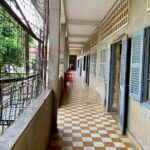
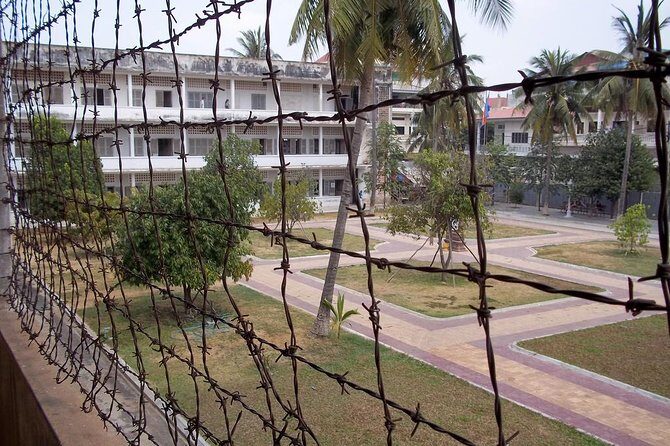
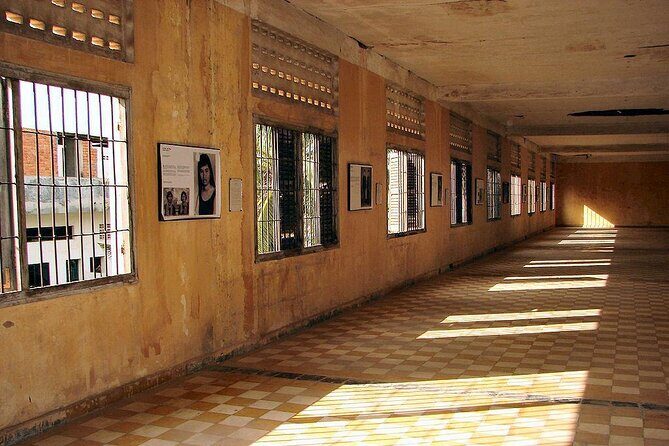
The day starts at Tuol Sleng Genocide Museum, historically known as Toul Sleng (and later run as Security Prison 21, or S-21). In 1975, what began as a high school was taken over by the Khmer Rouge and turned into a detention and interrogation center. Thousands of Cambodian people—and several foreigners—were imprisoned, tortured, and killed here.
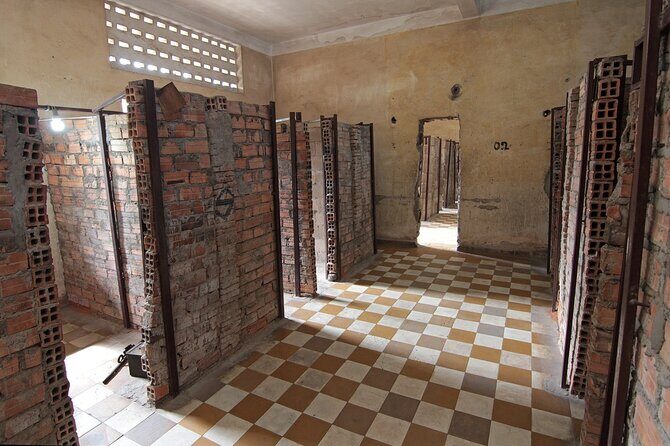
What makes Tuol Sleng so striking is how it shows the machinery of control in rooms that look like rooms. The former school’s classrooms became small prison and torture chambers. You’ll move through spaces that were once educational settings, now converted into sites of captivity. If you’re expecting something more like a typical museum layout, be ready for something much harsher.
Inside the exhibit areas, you’ll encounter:
- Tiny cells and transformed classroom spaces, which force you to picture how cramped and fragile a life could be under that system
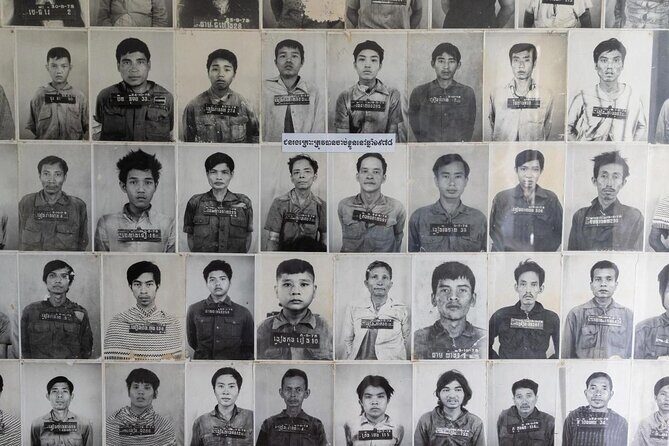
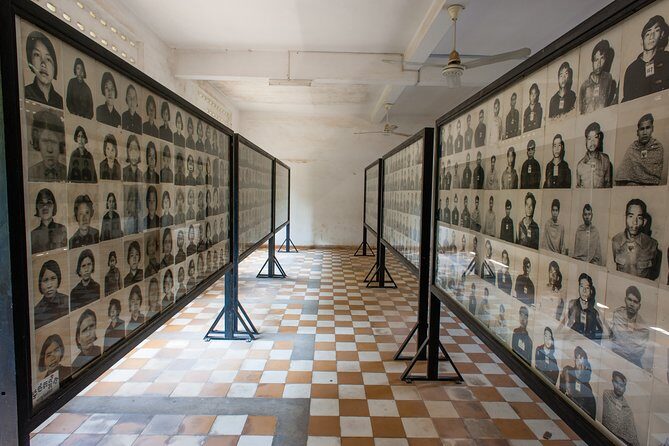
- Photographs of prisoners, many presented in harrowing black-and-white images
- A focus on personal documentation—prisoners were photographed and forced to give accounts of their autobiographies, from childhood until their arrest
This is where pacing becomes important. One of the best-reviewed aspects of this experience is the use of an audio setup that helps you listen and process at your own speed. That kind of tool matters here, because you don’t just absorb facts—you react. Audio can give you space to decide when to move on and when to stop. It also helps if you want to read slowly without feeling you’re falling behind a group rhythm.
A Practical Caution for This Stop
Tuol Sleng is intensely depressing. Even if you prepare mentally, your body may react—tight throat, sudden fatigue, the urge to rush. If you want to handle it well, plan for a slower second lap in your mind: you can keep your pace moving physically, but you’ll benefit from allowing time to let images and descriptions land.
Choeung Ek Genocidal Center: Peaceful Fields and the Memorial Truth
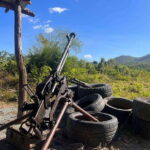
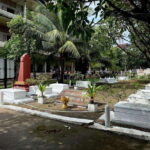
After Tuol Sleng, you head to Choeung Ek Genocidal Center, about 17km from Phnom Penh. This is the part that surprises people at first. The grounds are a calm stretch of green fields. It’s easy to see why someone might think the place was quiet in the past.
But the story is the opposite. Choeung Ek became one of the most famous Killing Fields sites, popularized through the movie The Killing Fields. Today, a memorial stands here for victims of the Khmer Rouge regime, including about 17,000 people. The site includes remnants in the memorial and mass graves scattered across the area—elements that pull you from any comforting idea of open space and back into the reality of mass suffering.
What I like about the Choeung Ek segment is that it adds a second angle to what you learned at Tuol Sleng:
- Tuol Sleng shows the system of detention and interrogation in built environments
- Choeung Ek shows the aftermath in open landscape, where the scale becomes harder to picture
The emotional tone can shift too. Tuol Sleng can feel like you’re inside the machinery. Choeung Ek can feel like you’re walking around the consequences. Both are necessary, and that’s why combining them is powerful.
The Timing Makes Sense
With about 1 hour planned here, you get enough time to move through key memorial areas without feeling trapped in a long, exhausting loop. If you tend to linger when something is difficult, build in a buffer—especially if you prefer reading text carefully.
Other Killing Fields tours we've reviewed in Phnom Penh
The Audio and On-Site Storytelling Pace
One of the standout praised elements tied to this experience is an audio concept. The idea is simple: you can listen and wonder at your own pace, which is helpful because genocide memorials don’t always deliver their meaning in a single pass.
Audio also changes how you handle the emotional spikes. When the visit includes survivor accounts, it can feel even heavier—because it stops being only documentary history and becomes human testimony you’re hearing in the moment. Even if you’re prepared, that can hit harder than photos.
If you’re deciding whether this format will work for you, think about your own attention style:
- If you like to pause and absorb details, audio-style pacing can be a gift.
- If you prefer strict structure and constant movement, you might find the slower moments emotionally draining.
Either way, having audio support is a practical way to keep the visit from turning into a hurried checklist.
Dress Code, Weather, and Comfort Rules That Matter
This isn’t just about culture points—it’s about being comfortable enough to keep your head in the right place.
The dress code is formal in the sense that you should cover shoulders and knees. That matters because you’ll be standing and walking through memorial grounds and indoor spaces. If you show up in light clothing that doesn’t meet the expectations, you may lose time sorting it out.
Weather is also part of your planning. The experience operates in all weather conditions, so dress appropriately for heat or rain. Bring what keeps you functional: comfortable shoes for uneven surfaces, a light layer if the day turns cooler, and a small umbrella if rain looks likely.
Also remember the content: children below 18 are not recommended, and if younger visitors go, they must be accompanied by an adult. This is not a light sightseeing day.
Group Size and How You’ll Feel During the Day
The group cap is maximum 15 travelers. That size is a meaningful detail. In a visit like this, you don’t want a crowd pushing you forward before you’re ready. Smaller groups also make it easier to keep your own pace, especially when you’re using audio to slow down.
This tour runs in a way that feels built for a controlled experience: Toul Sleng first, then Choeung Ek. The flow helps because the second stop lands with more meaning once you’ve seen how detention spaces functioned at S-21.
Help Desk Support: When Scheduling Questions Get Answered Fast
This is the part many people forget to check: how the company handles questions. One of the top praised aspects is excellent help desk support. The staff are described as convenient to talk to, helpful with inquiries, and good at scheduling.
In practice, that matters because memorial visits tend to involve timing and paperwork details. When you’re dealing with a ticket delivered at 8:30am and a tight 3-hour window, you’ll want clear answers quickly if anything changes.
If you like a smooth day with fewer last-minute headaches, this operator’s support reputation is a real plus.
Who This Tour Fits Best (And Who Should Think Twice)
This plan is a strong choice if you:
- Want a simple, organized way to hit both major memorial sites in Phnom Penh
- Like the time-saver of ticket delivery straight to your hotel
- Prefer a small group and a setup that supports personal pacing through audio
It’s especially suitable for travelers who know they want to see both places but don’t want to deal with ticket logistics on the ground.
You might reconsider if:
- You’re very sensitive to graphic, emotionally intense subject matter
- You’re traveling with children and you’re unsure they can handle heavy, adult-level history
Even when a trip is educational, the emotional cost can be real here.
Should You Book This Tour? My Honest Take
If you’re visiting Phnom Penh and you feel a strong pull to understand the Khmer Rouge era through the two key sites, this is a sensible way to do it. The $26 price is mostly buying convenience: the Toul Sleng ticket is included and delivered at 8:30am, which helps you get moving without delays. The route is compact, the group size is capped, and the audio-style pacing support is a genuine advantage for processing what you’re seeing.
My main advice is to treat it as a serious historical visit, not a casual outing. If you can handle heavy content and you’re comfortable with formal dress expectations, this is worth booking. If you’re not sure, read the room before you commit and consider whether you’ll be able to stay present for both locations.
FAQ
FAQ
What is included in the ticket price?
Tuol Sleng admission is included, and the ticket is delivered to your hotel in the city at 8:30am on the day of your visit.
Is the Choeung Ek Genocidal Center ticket included?
Choeung Ek is listed as free for admission on this experience.
How long does the experience take?
It runs for about 3 hours total, with roughly 1 hour 20 minutes at Tuol Sleng and about 1 hour at Choeung Ek.
Do I get a pickup?
Pickup is listed as offered, but transportation to and from attractions is not listed as included, so you should confirm how transfers are handled for your day.
How many people are in the group?
The maximum group size is 15 travelers.
What should I wear?
There is a dress code: cover shoulders and knees.
Does it run in bad weather?
Yes, it operates in all weather conditions. Dress appropriately for the conditions.
Is this suitable for children?
Children below 18 are not recommended, and children must be accompanied by an adult.
Do I need to pay any extra fees?
A parking fee may apply and is payable at the time of tour check-in. The amount is not specified.
What if I cancel?
You can cancel for a full refund up to 24 hours before the experience starts. If you cancel less than 24 hours before, it isn’t refunded.
Is a guide included?
A local guide is not included.