REVIEW · PHNOM PENH
Chiso temple, Neang khmao, and Taprum temple historical site Tour
Book on Viator →Operated by The Killing Field and S21 Genocide Tour · Bookable on Viator
Climbing to Phnom Chisor feels like a full-day shortcut to real Cambodia. You get temple sculpture, big rice-field views, and a straight-line Khmer temple layout that’s easier to appreciate with a guide than from a guidebook.
I especially liked the views from the back of Phnom Chisor—you can look out over countryside and see how the temple sits above daily life. I also enjoyed the way the guide brought Prasat Neang Khmau to life, including the temple’s Shiva connection and how the brick towers relate to the active pagoda beside it.
One consideration: this is a long 8-hour outing with several stops, so if you prefer very slow travel or only want “one perfect site,” you may feel the pacing is brisk.
In This Review
- Key Highlights You’ll Actually Care About
- Price and Logistics: What $190 Gets You From Phnom Penh
- Starting at 8:00 AM: A Smooth Way to Beat the Day
- Stop 1: Phnom Chisor Temple and the Rice-Field Viewpoint
- The layout bonus: seeing the “straight-line” plan
- Possible drawback at Phnom Chisor
- Stop 2: Prasat Neang Khmau and Its Shiva Brick Towers
- Why the Shiva connection matters
- Possible drawback at Neang Khmau
- Tonle Bati: A Short Lake Break Instead of Another Ruin
- What to expect
- Ta Prohm: Smaller Than Angkor, Still Worth Your Focus
- How to make Ta Prohm pay off
- Possible drawback at Ta Prohm
- Yeay Pov: The Final Temple Stop
- What the Guide Actually Adds (So You Don’t Miss the Point)
- Who Should Book This Tour (and Who Might Not)
- Should You Book This Chiso Neang Khmau and Ta Prohm Tour?
- FAQ
- How long is the tour?
- What is the meeting point in Phnom Penh?
- What time does the tour start?
- How much does it cost?
- Is pickup included?
- What stops are included?
- Are admission tickets included?
- Is there food included?
- What language is the guide?
- What is and isn’t included in the price?
Key Highlights You’ll Actually Care About
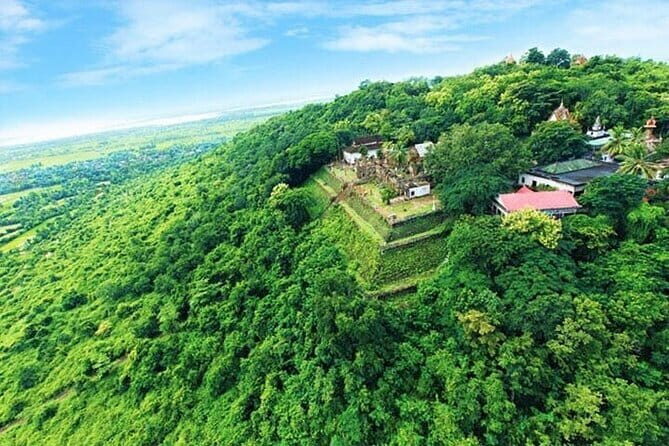
- Phnom Chisor viewpoint for wide rice-field scenery and photo angles
- Prasat Neang Khmau with 10th-century Angkorian brick prasats tied to Shiva
- Ta Prohm stop (smaller than the famous Angkor version) with distinctive artwork
- Tonle Bati lake break that swaps temple heat for a calmer local scene
- English-speaking guide depth of explanation (Soapheak’s pagoda focus is a standout)
Price and Logistics: What $190 Gets You From Phnom Penh
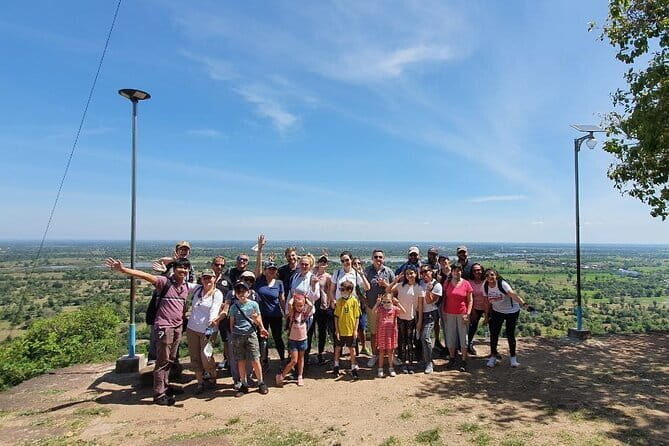
For $190 per group (up to 5), you’re buying a private, air-conditioned day with an English-speaking guide, plus a friendly driver and cool water. The tour also covers all fees and taxes, which matters in Cambodia where “small” add-ons can add up when you’re planning on your own.
The best value angle here is that key entries are free: Phnom Chisor and Prasat Neang Khmau are listed as free admission stops on the schedule. That doesn’t make it a cheap tour, but it helps your budget feel more predictable once you’re there.
If you’re coming from Phnom Penh and want a structured route without coordinating multiple rides, this is the kind of day trip that saves energy. The flip side is the group is only your party, so you won’t blend in with a larger crowd. That can be great for questions, but it also means you should be ready for sustained time in the van.
Other historical tours in Phnom Penh

Starting at 8:00 AM: A Smooth Way to Beat the Day
The tour begins at 8:00 am at River Crown Restaurant on St. 178 (Prehsisovath Quay). Your total duration is about 8 hours, and travel time is already included, which is helpful because these temple routes depend heavily on road conditions and morning traffic.
You’ll likely spend less time thinking about logistics and more time looking at details. The tour provides pickup and transport by air-conditioned vehicle, and you’ll get a mobile ticket, so you’re not hunting for paper passes at each site.
Bring a light layer and comfy shoes. Even if you’re not doing heavy hiking, the temple areas have uneven steps and surfaces, and you’ll spend time walking through galleries.
Stop 1: Phnom Chisor Temple and the Rice-Field Viewpoint
Phnom Chisor is a serious 11th-century temple, and it still shows off its sculptures in a way that feels close enough to study. The schedule gives you about 2 hours, which is enough to move through the galleries and still slow down for the details.
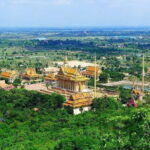
What makes this stop special is the way the temple rises above everyday land. From the back area, there’s a prime spot for photos and views where you can see a vast plain of surrounding rice fields and countryside. It’s one thing to look at a temple from ground level; it’s another to understand the setting it was built to dominate.
You can also enter the place of worship area. That gives you a more grounded sense of how these sites still function for people today—not just as ruins behind a fence.
The layout bonus: seeing the “straight-line” plan
Phnom Chisor isn’t only about one building. There’s a striking visual alignment described in the route: looking east, an avenue forms a straight line connecting three main features, including two outer temples of cruciform ground plan and a moat.
With a guide, that kind of description becomes easier to “read.” Without it, you might miss the bigger idea and focus only on one tower or one courtyard. If you like architecture and patterns, you’ll appreciate the way the guide frames what to look for.
Possible drawback at Phnom Chisor
Because it’s a viewpoint and sculpture site, you’ll likely do a mix of walking and standing in sun. If you’re sensitive to heat, plan your pace. Also, keep your attention on shaded moments when you’re moving between gallery areas.
Other museum experiences in Phnom Penh

Stop 2: Prasat Neang Khmau and Its Shiva Brick Towers
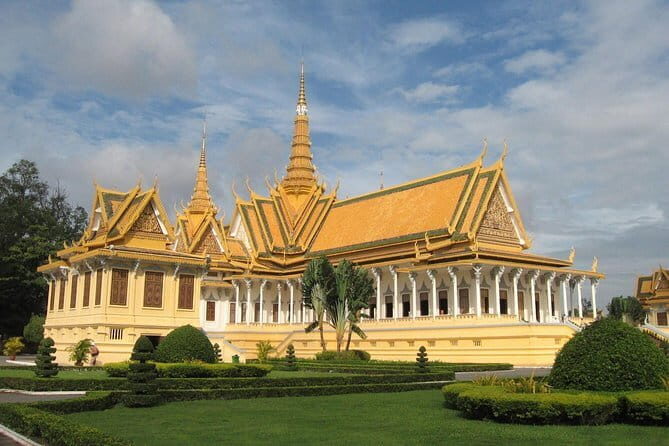
After Phnom Chisor, the tour heads to Prasat Neang Khmau, about 52 kilometers south of Phnom Penh (and roughly 27 km north of Takeo). This part of the day feels different right away because it’s tied to an active pagoda atmosphere.
The core of Neang Khmau is described as two deteriorating brick prasats (towers) built in the Angkorian era in the 10th century under King Jayavarman IV. The key word here is deteriorating. These towers aren’t “perfectly restored,” so you’re not just looking at a clean postcard. You’re seeing age, weathering, and the material story of brick over centuries.
There may have been at least one more and possibly as many as three additional ancient prasats. Even if only two are standing clearly today, that detail changes how you interpret the site—you start noticing empty spaces, alignment, and what the builders likely intended as a fuller complex.
Why the Shiva connection matters
Neang Khmau was originally dedicated to the Hindu god Shiva. That’s important because it places the site in a broader Khmer religious landscape, where Hindu and later Buddhist practices often overlap in different ways across time.
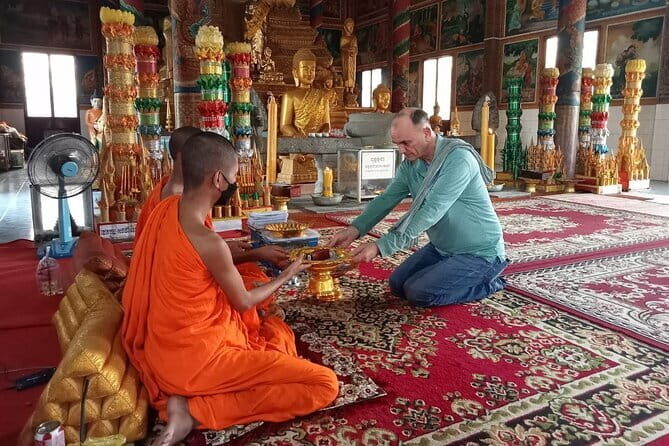
The experience improves a lot with explanation. In particular, I found the guide approach strong and practical—Soapheak stood out for his depth of knowledge about pagoda life and how the surrounding structures behave together in the area. You’re not just hearing dates; you’re learning how a working religious setting relates to the older temple remains nearby.
Possible drawback at Neang Khmau
Since it’s smaller and more weathered than some famous Angkor-area temples, the payoff depends on your interest in atmosphere and interpretation. If you only want huge scale, you might wish for more size here. If you like “small site, strong meaning,” this one lands well.
Tonle Bati: A Short Lake Break Instead of Another Ruin
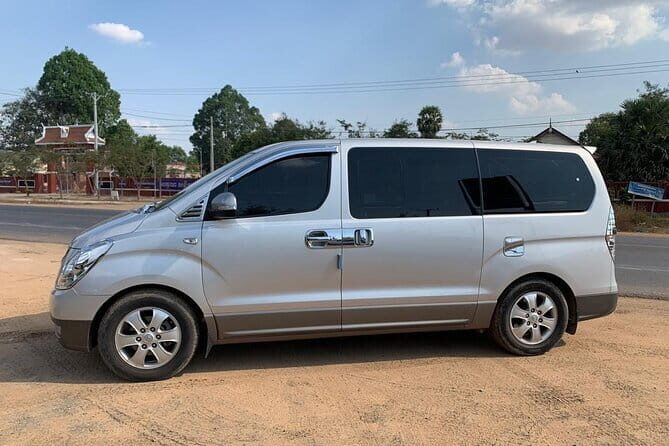
Between temple legs, the schedule includes Tonle Bati, a small lake about 30 km south of Phnom Penh. It’s a popular weekend destination for local people and also known as a fishing spot.
This stop is useful because it breaks the day’s rhythm. You get a calmer change of pace from temple steps and sculpture gazing. Even if you only have about 1 hour, it helps you reset so the later temple visits feel less rushed.
What to expect
This isn’t presented as a “monument” stop in the same way. It’s more about setting and local activity around the water. If you like seeing what weekend life looks like outside the tourist sites, this is a good use of time.
Ta Prohm: Smaller Than Angkor, Still Worth Your Focus
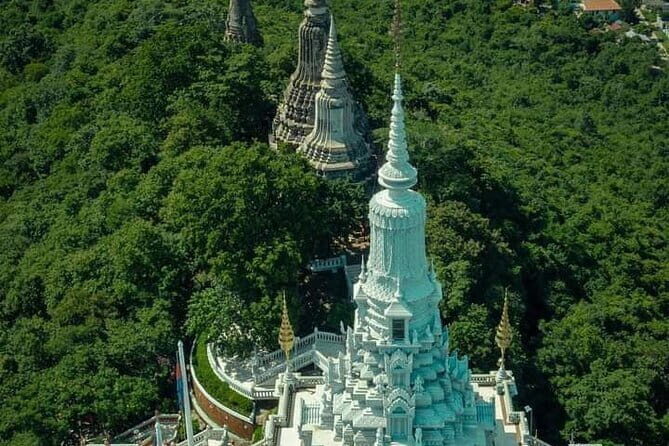
The route continues to Ta Prohm Temple, built during King Jayavarman VII’s reign in the late 12th or early 13th century. The description is clear that this Ta Prohm is smaller than the well-known Ta Prohm of Angkor, but it still offers plenty of unique art.
This is a great kind of stop for people who feel a bit temple-fatigued after seeing the same major names. You still get the “Ta Prohm” idea—structures from the Jayavarman VII era and the kind of Khmer artistic choices that make these places readable—but you aren’t stuck comparing it minute-for-minute to the biggest landmark version.
How to make Ta Prohm pay off
Give yourself permission to look at details, not just overall scale. Unique art can mean carvings, layout choices, and decorative elements that are easier to spot when you’re not constantly measuring the site against something else.
Also, try to notice how the ruins are incorporated into the present-day environment. That’s usually where “smaller” sites surprise you.
Possible drawback at Ta Prohm
If your goal is only the biggest, most globally famous temple moments, a smaller Ta Prohm may feel like a detour. I’d treat it as a chance to study Khmer art patterns and craftsmanship with less crowd noise and more time to think.
Yeay Pov: The Final Temple Stop
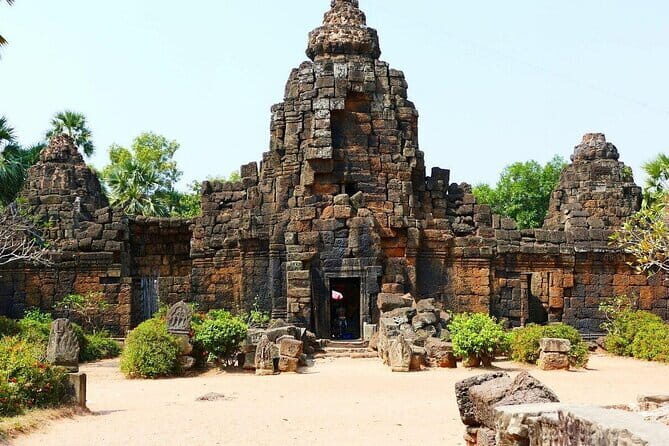
Your last destination is Yeay Pov Temple. The provided tour data doesn’t give a lot of extra description here, so the best advice is simple: arrive ready to appreciate it for what it is on the day—another Khmer-era stop that completes the loop.
When a schedule ends with a less-described temple, you often get your best experience by slowing down and letting the guide’s explanations bring it into focus. If you’re the kind of traveler who asks questions about function, symbolism, and what parts are older versus later, you’ll likely enjoy this finale more than someone who expects a highly documented landmark.
What the Guide Actually Adds (So You Don’t Miss the Point)
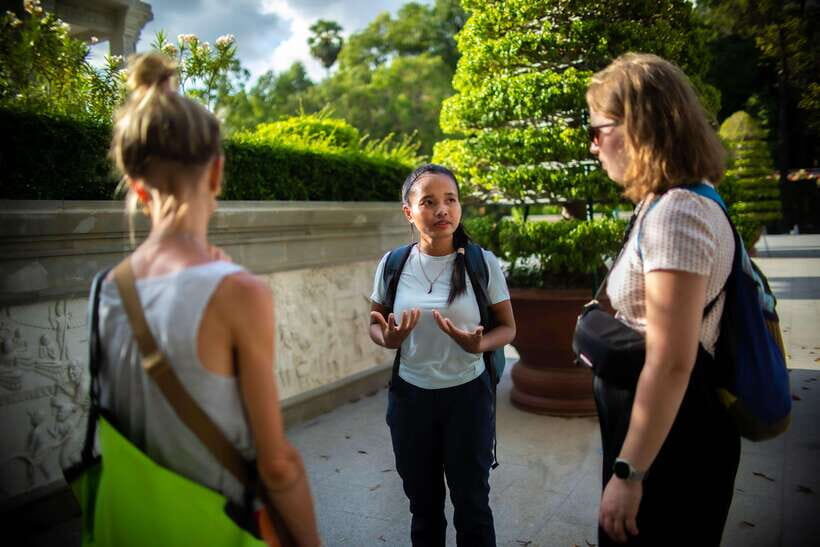
This is the strongest part of the whole experience. The guide is English-speaking and the explanation quality is the reason this tour gets top marks.
A review highlight tied directly to the experience calls out Soapheak and his depth of knowledge about pagoda lifestyle and the surrounding structures. In practical terms, that means you’re not only getting a timeline. You’re getting context for what you see: why certain spaces feel important, how older brick structures exist alongside more active religious life, and what the temple layout is trying to communicate.
That kind of guidance helps you avoid a common problem with temple days: you walk away with photos but not much understanding. Here, you’re more likely to leave with a mental map—who built what, why the design matters, and how the site still fits into daily life.
Who Should Book This Tour (and Who Might Not)
This tour is a good fit if you want:
- A private day trip with time to ask questions
- A mix of viewpoint, temple sculpture, and smaller historical sites
- Architectural and religious context rather than only basic sightseeing
You might think twice if:
- You want only the most famous Angkor-scale temples
- You prefer fewer stops and more free time on your own
- You’re very heat-sensitive and don’t like walking between temple areas
Should You Book This Chiso Neang Khmau and Ta Prohm Tour?
Yes, if you’re in Phnom Penh and want a full, meaningful temple day without the stress of planning a route and buying individual tickets all morning. The value is strongest because you get private comfort, English guidance, and a route that includes both big-view Phnom Chisor and more interpretive stops like Neang Khmau and Ta Prohm.
If you’re trying to decide between this and a bigger Angkor-only style itinerary, choose this when you care about interpretation and variety more than maximum size. Choose a larger-scale Angkor plan when scale is the main goal.
My take: this is the sort of outing that rewards attention. If you like learning as you walk, it’s worth the time and the $190.
FAQ
How long is the tour?
The tour is about 8 hours.
What is the meeting point in Phnom Penh?
The meeting point is River Crown Restaurant, 357 St. 178, Prehsisovath Quay, Phnom Penh 12206, Cambodia.
What time does the tour start?
The start time is 8:00 am.
How much does it cost?
It costs $190.00 per group, for up to 5 people.
Is pickup included?
Yes, pickup is offered, and transportation is included by air-conditioned vehicle.
What stops are included?
The tour includes Phnom Chisor, Prasat Neang Khmau, and it also includes Ta Prohm Temple and Yeay Pov Temple, plus a stop at Tonle Bati.
Are admission tickets included?
Phnom Chisor and Prasat Neang Khmau are listed as free admission stops on the schedule, and the tour includes all fees and taxes.
Is there food included?
No. Food and beverages are not included.
What language is the guide?
The tour includes an English-speaking tour guide.
What is and isn’t included in the price?
Included: guide, air-conditioned transportation, clean and hygienic transport, friendly driver, cool water, and all fees/taxes. Not included: food, travel insurance, tipping to the guide/driver, and other personal expenses.