REVIEW · PHNOM PENH
Best of Phnom Penh: Half-Day Private City Tour
Book on GetYourGuide →Operated by Angkor T.K. Travel & Tours · Bookable on GetYourGuide
Phnom Penh packs history fast. This half-day private city tour strings together Wat Phnom, the Royal Palace, the Silver Pagoda, and the National Museum into one clear morning plan. You’ll be moving through Cambodia’s royal and Buddhist centers, then finishing with Khmer art in a museum built to preserve it.
Two things I really like here: you get a proper English-speaking guide who can explain what you’re looking at (not just point and shrug), and you see the kind of details that make these sites memorable, like the Silver Pagoda’s 5,000 silver-tile floor and the National Museum’s Khmer sculpture collections. One consideration: entrance fees are not included, and the Royal Palace/Silver Pagoda can close without notice when the King is in residence.
In This Review
- Quick Highlights
- Why a Half-Day Private Tour Hits the Sweet Spot in Phnom Penh
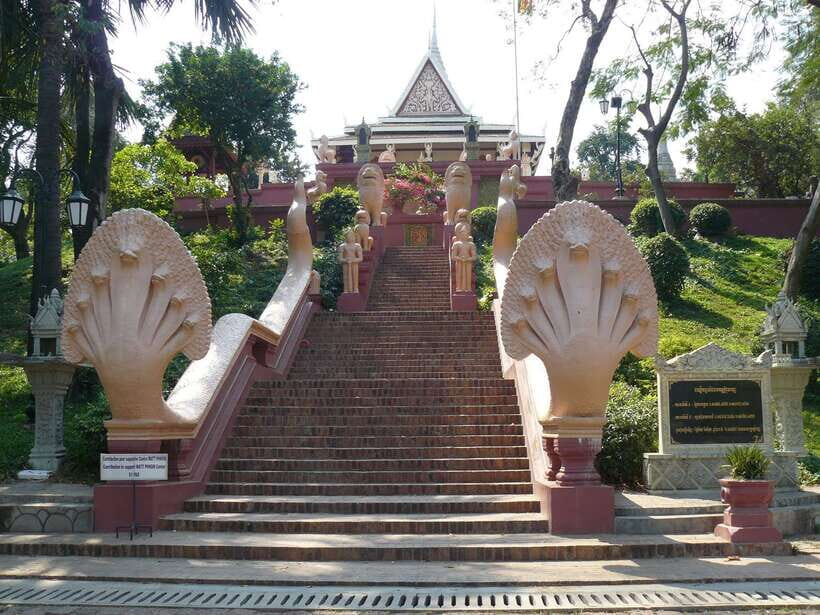
- Wat Phnom at 8:00 AM: Relics, Ritual, and the City’s Name
- Royal Palace Grounds: Norodom’s 1866 Compound and What to Watch For
- Silver Pagoda: The 5,000 Silver Tiles and the Famous Buddhas
- National Museum Next Door: From Sights to Khmer Art Meaning
- Price and Logistics for a Private Tour Up to Two
- Who This Tour Suits Best (and Who Might Want Something Else)
- Should You Book This Half-Day Private City Tour?
- FAQ
- FAQ
- What time does the half-day tour start?
- How long is the tour, and when does it end?
- Is hotel pickup included?
- What’s included in the tour price?
- What entrance fees should I expect?
- Are local guides included inside the Royal Palace and National Museum?
- Are the Royal Palace and Silver Pagoda always open?
Quick Highlights
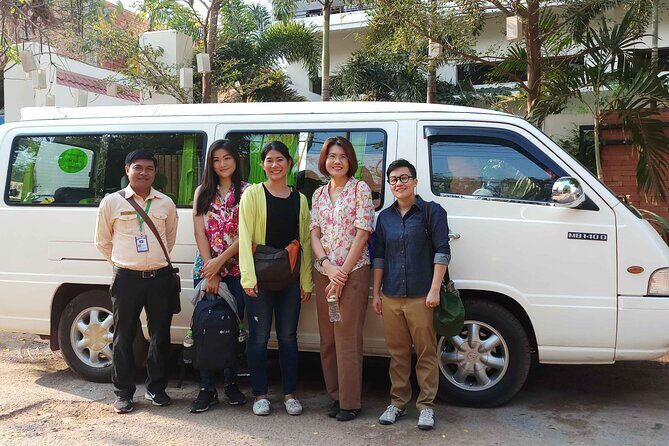
- Private, up-to-two group with hotel pickup and your own professional English-speaking guide
- Wat Phnom explains the pagoda’s origin story tied to relics washed ashore
- Royal Palace (built 1866) with Norodom’s compound layout and garden time
- Silver Pagoda with the 5,000 silver-tile floor plus famed Buddha artifacts
- National Museum (built 1917) focused on preserving Khmer art and sculptures, including pre- and post-Angkorian pieces
- Cold towel and refreshment drink included to keep the morning comfortable
Why a Half-Day Private Tour Hits the Sweet Spot in Phnom Penh
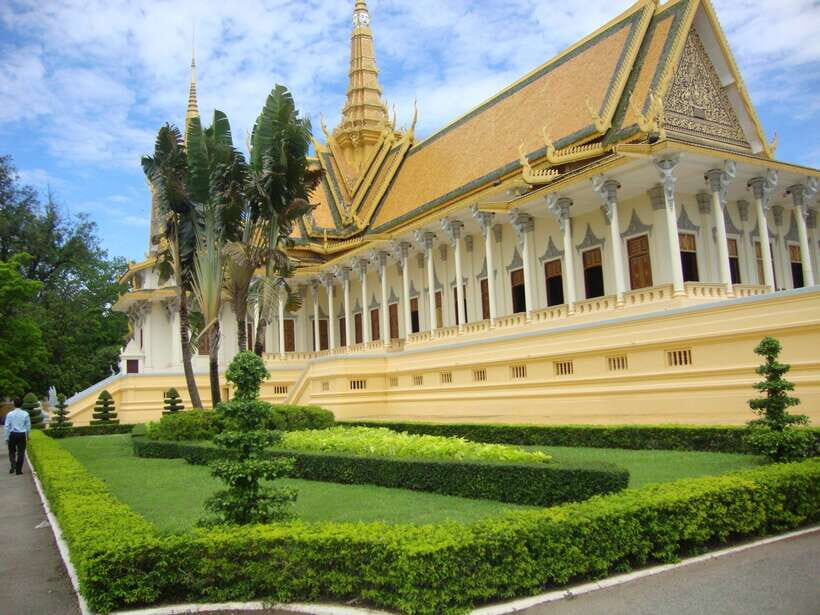
Phnom Penh can feel big and spread out, but this tour’s strength is its tight focus. In about four hours, you cover the city’s most important “must-see” cultural sites without turning your morning into a logistics puzzle.
The private format matters because you’re not waiting around for other groups to wander at their own pace. You also get a guide who can connect the dots: what you see at Wat Phnom ties into the royal-Buddhist world of the palace compounds, and the museum then gives those sights a historical and artistic frame.
The other win is simplicity. You start in the morning, you finish at noon, and your guide transfers you back to your hotel. If you only have one free morning in town, this is one of the cleaner ways to spend it.
Other Phnom Penh city tours we've reviewed in Phnom Penh


Wat Phnom at 8:00 AM: Relics, Ritual, and the City’s Name
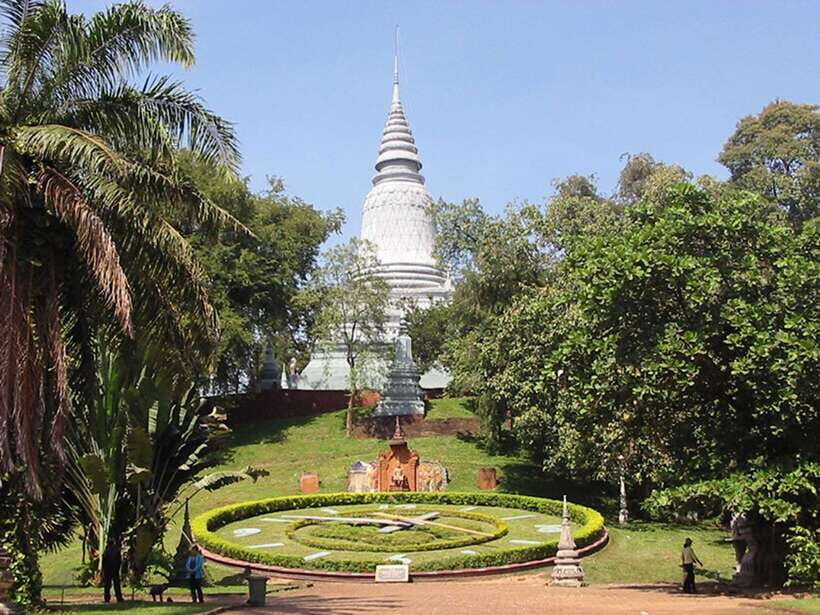
The tour starts at 8:00 AM with Wat Phnom, which is the namesake of Phnom Penh. This temple isn’t just scenic; it has a built-in story that helps you understand why it matters to local faith. The pagoda was built to house Buddhist relics washed ashore by the river, so the place connects nature, survival, and devotion in a way that feels very real.
What I like about starting here is how it sets the tone. Wat Phnom is a calm entry point into the city’s spiritual geography. Even if you’re not trying to memorize dates, you’ll get the sense that these sites are part of an ongoing cultural rhythm, not a museum label.
Practical note: there’s an entrance fee of $1 per person for Wat Phnom, and it’s not included in the tour price. Small fee, but it’s good to plan for it so the morning stays smooth.
Royal Palace Grounds: Norodom’s 1866 Compound and What to Watch For
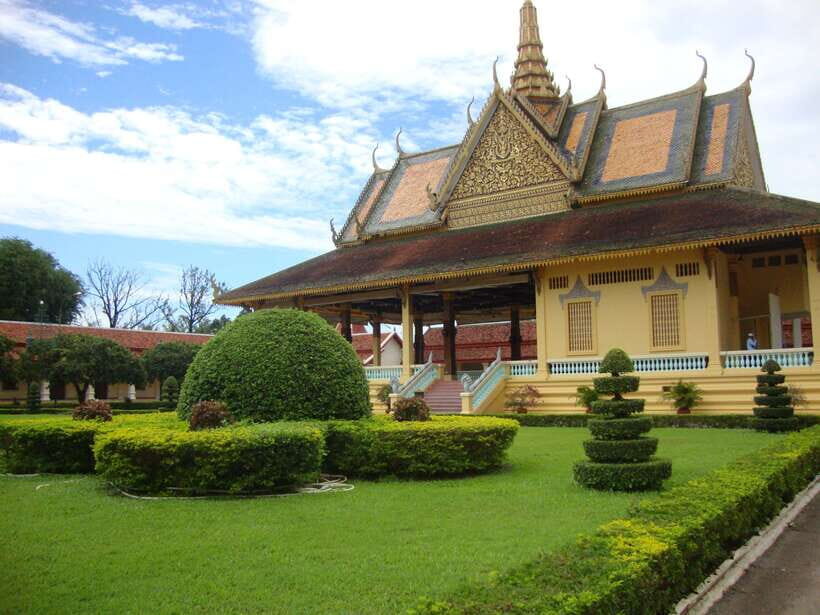
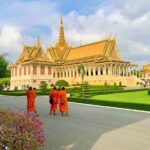
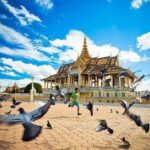
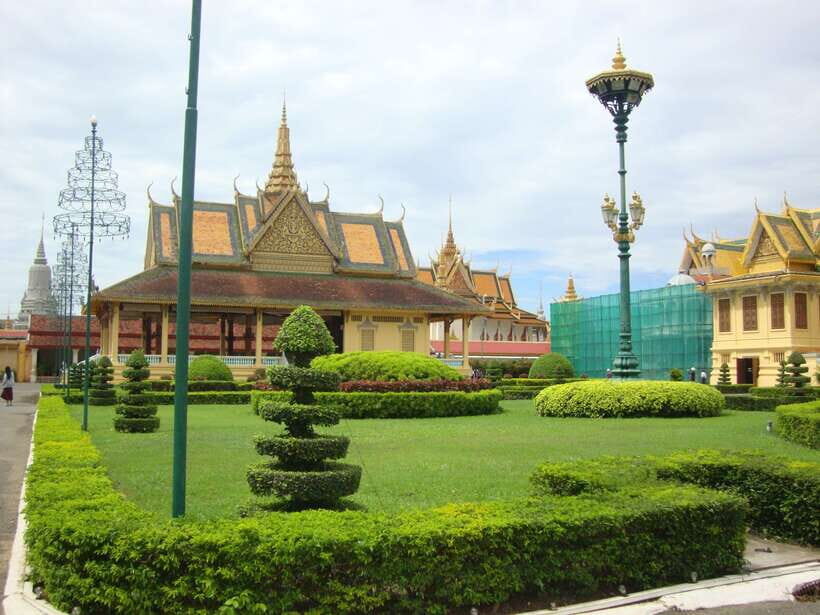
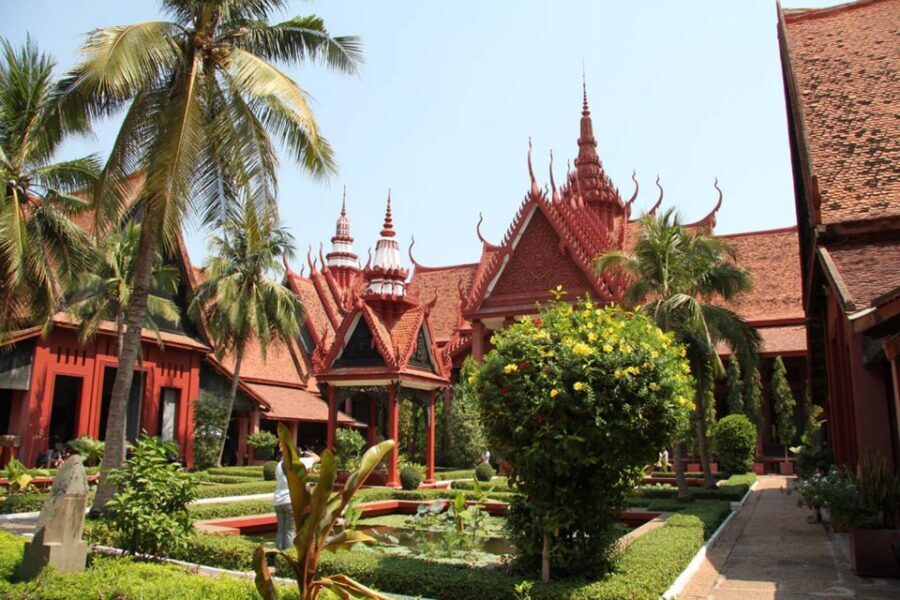
After Wat Phnom, you head to the Royal Palace area, built in 1866 by King Norodom. This stop is the main “royal Cambodia” moment, and it helps that your guide can walk you through what you’re looking at inside the compound.
A key detail is that the Royal Palace is not a single building. It’s a pagoda-style complex with different structures within one compound, plus a garden for walking breaks. When you’re on a tight half-day schedule, that structure matters: you don’t just see a landmark sign; you understand how the compound is laid out and why it’s designed the way it is.
Also, pay attention to how the guide phrases things about the palace environment. The most useful explanations here tend to be about function—what parts serve ceremonial or spiritual roles—rather than trying to name everything you see at once. If you’re short on time, this approach helps you leave with meaning, not overwhelm.
One important line item: the Royal Palace entrance fee is $10 per person, and a local guide at the Royal Palace is not included. Your English-speaking guide still leads, but if you want the extra local-layer explanation, budget time and money accordingly.
Finally, check the timing context. The Royal Palace and Silver Pagoda may close without prior notice while H.M. the King is in the residence. That’s not something you can control, but you can plan mentally: if a closure happens, the morning can still keep moving, just with fewer palace compound minutes.
Silver Pagoda: The 5,000 Silver Tiles and the Famous Buddhas
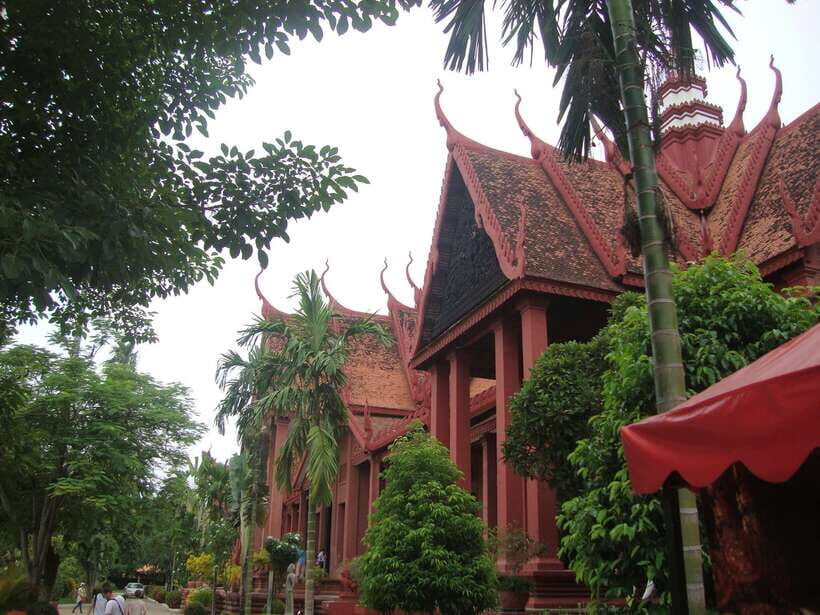
If the Royal Palace is the royal shell, the Silver Pagoda is the wow-factor center. It’s named because the floor is comprised of 5,000 silver tiles. You don’t have to be a materials nerd to appreciate the idea. The name alone signals that this place is designed for special ceremonial presence, and the detail gives you something specific to focus on while you’re there.
Then the artifacts get even more specific. The Silver Pagoda houses a gold Buddha encrusted with 9,584 diamonds. It also includes a smaller 17th century emerald and a baccarat crystal Buddha. These details do two helpful things for your visit. First, they stop the stop from feeling vague. Second, they make it easier to understand why people remember this place long after they forget generic “royal palace” photos.
A practical angle: this is one of those moments where your guide’s pacing really matters. You’ll see the famous objects, yes, but the better experience is when the explanation helps you understand what makes the objects meaningful in context, rather than just listing their shine.
As with the Royal Palace, the Silver Pagoda entrance fee is not included, and it can be affected by closures during the King’s residence. The tour description also notes that it may be closed without prior notice, so be ready for the day to be slightly more flexible than you expect.
National Museum Next Door: From Sights to Khmer Art Meaning
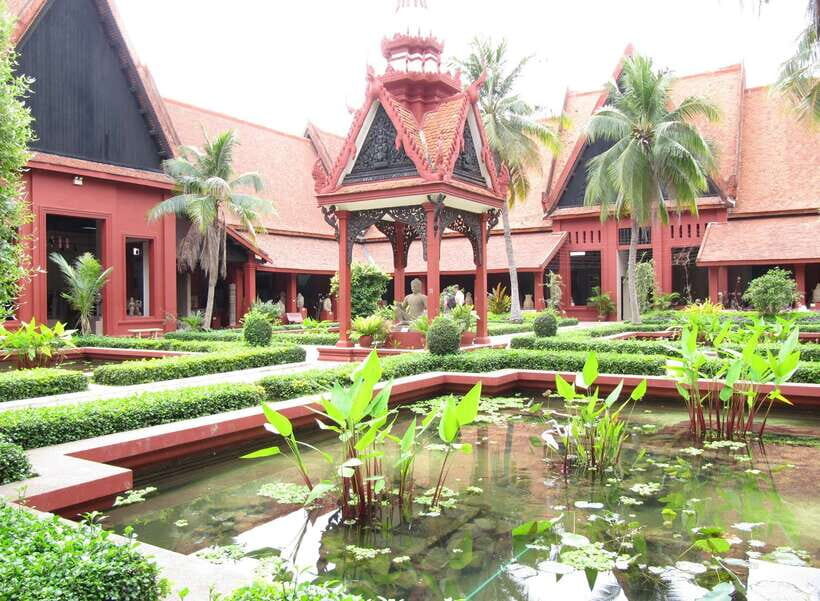
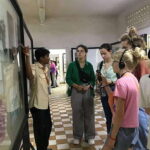
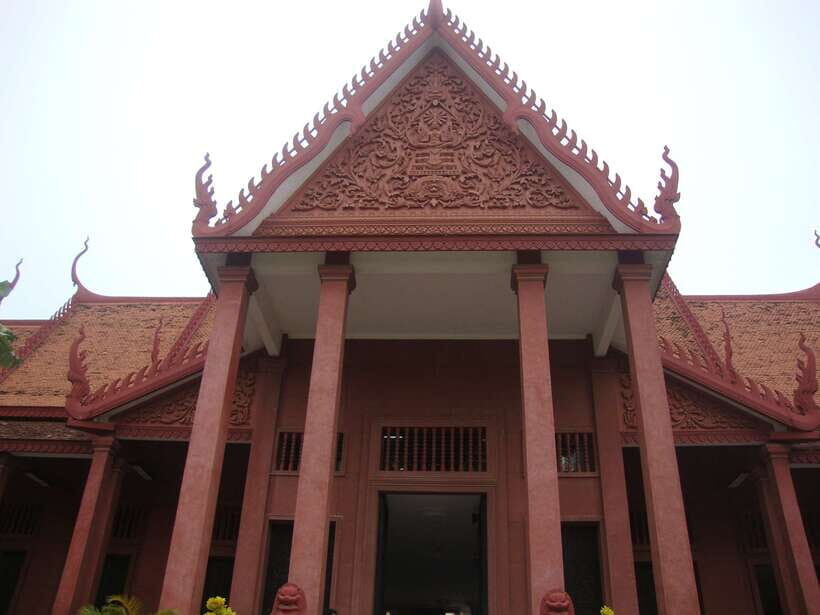
After the palace-world, you’ll move to the National Museum, built in 1917. This is the stop that turns your morning from sightseeing into understanding. Instead of relying on memory alone, you get to connect the visuals you saw with Khmer art and sculpture.
The museum is exclusively devoted to preserving and displaying Khmer art and sculptures. It holds hundreds of pieces, including both pre- and post-Angkorian works. That matters because it gives you a bigger timeline than the temples alone can provide. You can look at art objects and start seeing continuity and change across eras, even if you aren’t following an academic script.
This stop is especially valuable if you’re coming to Cambodia for the first time or if Angkor history is still forming in your head. The palace and pagoda stops show you religion and royal symbolism. The museum adds the “how did people express power, belief, and beauty in objects” layer.
Entrance fees are $10 per person for the National Museum, and a local guide at the National Museum is not included. Your English-speaking guide will still interpret, but if you’re a “read every sign” person, you may want extra guidance or a little more time to absorb everything at your own pace.
Other city tours we've reviewed in Phnom Penh
Price and Logistics for a Private Tour Up to Two
The price is $107 per group up to 2, for a four-hour private tour. For a city like Phnom Penh, that price structure is often what makes a private guide worth it: you’re paying for time-saving and interpretation, not just transportation.
Here’s what you’re getting inside that number:
- Private transportation
- English-speaking guide
- Refreshment drink and a cold towel
So you’re not just booking a checklist. You’re booking someone to explain the main sites while a car handles getting you between them. That matters in a half-day schedule, because you don’t want to burn your limited hours negotiating streets or waiting for transport.
What’s not included is just as important:
- Wat Phnom entrance fee: $1 per person
- Royal Palace entrance fee: $10 per person
- National Museum entrance fee: $10 per person
- Local guides at the Royal Palace and National Museum
When you’re budgeting, add those entrance fees on top of the base price. For two people, the entrance costs become the main variable, while the guiding and transport stay consistent.
Also, your tour ends at 12:00 PM, with a transfer back to your hotel. If you’re planning lunch nearby or stacking another activity later, this timing is practical. It gives you the afternoon back.
Who This Tour Suits Best (and Who Might Want Something Else)
This tour is a good match if:
- You have one morning and want the core “Phnom Penh essentials” in order.
- You prefer a private plan with pickup and drop-off instead of hopping between sites on your own.
- You want guidance that connects what you see at the temples to what you learn in the museum.
It’s also ideal if you’re the type who likes details. The Silver Pagoda artifacts are extremely specific, and a guide helps you turn that specificity into a story you can remember.
You might consider a different format if you want lots of free time to wander. This is a structured half-day, and the goal is coverage: Wat Phnom, Royal Palace, Silver Pagoda, National Museum. If your perfect day is slow and open-ended, you might find the pace a bit tight.
And remember the closure possibility. The Royal Palace and Silver Pagoda may close without notice while H.M. the King is in residence. That’s the main “risk factor” in the experience.
Should You Book This Half-Day Private City Tour?
Yes, I’d book it if you want a solid first-contact Phnom Penh morning with a guide who helps you interpret the big cultural sites. The combination of Wat Phnom, the Royal Palace compound built in 1866, the Silver Pagoda’s 5,000 silver tiles and famous Buddhas, and the National Museum’s pre- and post-Angkorian collections is a clean way to get meaning fast.
I’d book it with one caveat: budget for entrance fees and plan for the possibility of Royal Palace/Silver Pagoda closures during the King’s residence. If you’re okay with that, this tour offers strong value for a private group, especially because transport, interpretation, and basics like cold towels and a refreshment drink are built in.
FAQ
FAQ
What time does the half-day tour start?
It starts at 8:00 AM, and the tour runs for 4 hours. Starting times can vary, so check availability.
How long is the tour, and when does it end?
The duration is 4 hours, and it ends at 12:00 PM with a transfer back to your hotel.
Is hotel pickup included?
Yes. Pickup is included from your hotel lobby.
What’s included in the tour price?
You get private transportation, an English-speaking guide, plus a refreshment drink and cold towel.
What entrance fees should I expect?
Wat Phnom entrance fee is $1 per person. Royal Palace entrance fee is $10 per person, and National Museum entrance fee is $10 per person.
Are local guides included inside the Royal Palace and National Museum?
No. Local guides at the Royal Palace and National Museum are not included.
Are the Royal Palace and Silver Pagoda always open?
They are open every day, but the Silver Pagoda and Royal Palace may close without prior notice when H.M. the King is in the residence.