REVIEW · PHNOM PENH
Phnom Penh Private Tour: Royal Palace, Silver Pagoda, S-21
Book on GetYourGuide →Operated by GREEN ERA TRAVEL · Bookable on GetYourGuide
Phnom Penh history hits hard in five hours. This private tour strings together the Royal Palace, the Silver Pagoda, and Tuol Sleng (S-21), so you see Cambodia’s royal world and its Khmer Rouge nightmare back-to-back.
I really like the contrast. At the Silver Pagoda, you get the wow factor of the 5,329 silver tiles and ornate Buddha statues, plus the story of Khmer kings who lived there for most of Cambodia’s modern era. I also like that you get a hotel pickup, an English guide, and all entrance fees handled, so you can focus on what you’re seeing instead of map chaos.
One caution: the experience is listed as 5 hours, but the time you spend on each stop can run shorter depending on your guide’s pace. If you have tight plans afterward, ask your guide to confirm the timing when you start.
In This Review
- Key things to know before you go
- Royal Palace Grounds: French-built, Khmer-structured, and built for power
- Silver Pagoda: 5,329 silver tiles and the rituals of Khmer kings
- Tuol Sleng (S-21): where Cambodia’s Khmer Rouge years become real
- Timing, transport, and dress code: making the day flow
- Your English guide: the difference between seeing places and understanding them
- Price and value: how $65 per person adds up in Phnom Penh
- Who should book this private Royal Palace + S-21 combination
- Should you book this tour?
- FAQ
- How long is the Phnom Penh private tour?
- Does this tour include hotel pickup and drop-off?
- What’s included in the $65 per person price?
- What should I wear since shorts and sleeveless shirts aren’t allowed?
- Is the tour suitable for children?
- Can I cancel or pay later?
Key things to know before you go
- Royal Palace compounds and big river views along the Tonle Sap and Mekong
- Silver Pagoda’s 5,329 silver tiles plus gold and jeweled Buddha statues
- Khmer king history tied directly to where the royals lived and worshipped
- Tuol Sleng (S-21) at Security Prison 21 covering the Khmer Rouge years 1975–79
- Private transport matched to group size (tuk tuk for 1–3, minivan for 3+)
- Comfort extras in the vehicle like bottled water and a cold towel
Royal Palace Grounds: French-built, Khmer-structured, and built for power
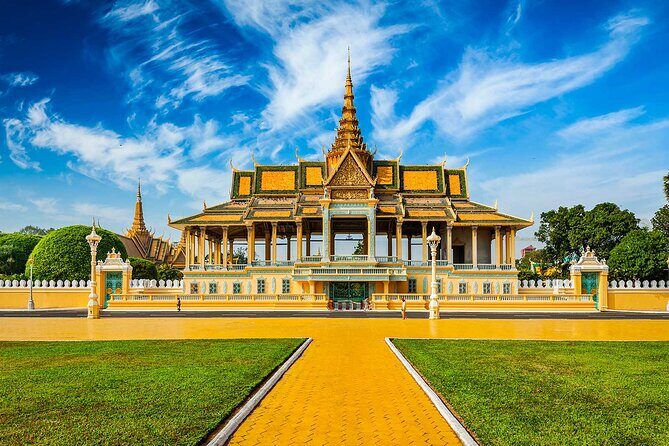
The first stop is the Royal Palace complex, and it’s an eye-opener for how Cambodia blends eras. The palace was built in 1866 by the French after King Norodom relocated the royal capital from Oudong. That fact matters, because it helps you understand why the complex feels both ceremonial and politically “designed.”
You’ll enter the palace grounds and start seeing the Khmer architecture in a way that feels purposeful, not random. The complex is divided into four main compounds, which helps the site feel organized even if you’re new to Phnom Penh. As you move through, keep an eye out for how the buildings frame space—courtyards and structures are meant to guide your attention and control the flow of visitors and royal life.
And don’t ignore the location. The palace sits on the western banks of the Tonle Sap River and the Mekong River. Even if you’re indoors or walking under shade, the sense of “river-city capital” is part of what makes this palace feel like more than a decorative stop. You’re seeing the royal seat in its real setting, not a standalone monument.
Practical note: this is a walking-and-standing kind of visit. Comfortable shoes help a lot, and sunscreen is smart because you’re outside between shaded areas.
Other Tuol Sleng (S-21) tours we've reviewed in Phnom Penh
Silver Pagoda: 5,329 silver tiles and the rituals of Khmer kings
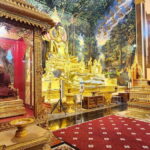
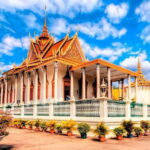
Right in the palace grounds is the Silver Pagoda, and it lives up to the name—5,329 silver tiles make up the floor. That number isn’t just trivia. When you see the scale of the tilework, it helps you understand how much symbolic value royalty and temples placed on materials, craftsmanship, and sacred space.
The Silver Pagoda is also where you’ll learn about the Khmer kings who resided there at all times, with one major interruption: during the Khmer Rouge control starting in 1975. This detail changes how you see the site. It’s not only a pretty temple stop. It’s a living historical location tied to who held power and where that power showed up.
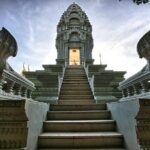
As you look around, you should also expect to see gold and jeweled Buddha statues in the Silver Pagoda. The visual contrast is strong—some areas feel bright and ceremonial, and others feel calmer and more reverent. There’s also an Angkor Wat style bell tower on site. It’s a nice reminder that Cambodia’s temple language didn’t stop at Angkor; it shows up in Phnom Penh too.
If you’re short on time, here’s what I’d do: let your guide explain the basic “what you’re looking at” before you start taking it in visually. The guide’s framing is what turns a room of gold into a story with meaning—who worshipped, what rituals looked like, and how kings used religious spaces as part of their public identity.
Tip: you may notice the rules around dress quickly when you arrive. Shorts, sleeveless shirts, hats, and even sunglasses are not allowed. Plan for a light but covered outfit so you’re not fussing mid-visit.
Tuol Sleng (S-21): where Cambodia’s Khmer Rouge years become real
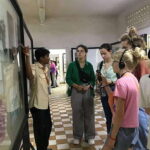
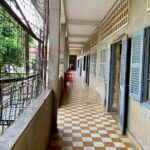
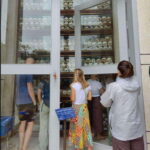
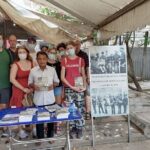
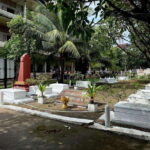
Then the tour turns heavy, and it turns fast. Tuol Sleng Museum is in a former high school that was used as Security Prison 21, also called S-21. This isn’t a background stop. It’s a place built for detention, and the museum traces what happened during the Khmer Rouge years from 1975 to 1979.
The museum describes the story of the Killing Fields alongside the torture and executions that took place here. That connection matters, because you don’t experience it as separate topics. You see how the system worked—first the imprisonment and control in S-21, then the broader pattern tied to the Killing Fields.
What hits hardest is the exhibit style. You’ll see materials that tell the stories of an estimated 20,000 prisoners who were killed. Even if the number is the worst part to hear, the museum’s approach is to make the scale feel accountable through individual stories and records. This is why an English guide matters so much here. Without help, you can walk through and still miss what the museum is trying to teach you.
Because this topic is intense, I suggest you go in with a little mental preparation. Bring water, but plan to keep your emotions in the front seat. You don’t have to force sadness, and you also don’t need to numb it. Just give the place time to land.
Also, don’t treat Tuol Sleng as a quick photo stop. If you want the experience to make sense, slow down for the explanations—this is a site where context is the difference between seeing artifacts and understanding what they represent.
Timing, transport, and dress code: making the day flow
This tour is built as a half-day private experience—listed at 5 hours. Your schedule typically works like this: hotel pickup, Royal Palace complex and Silver Pagoda, then Tuol Sleng, then drop-off back in the city center.
Transport is practical and depends on group size. For 1 to 3 people, you’ll travel by tuk tuk. For 3 people and up, you’ll go by minivan. Either way, you get mineral water and a cold towel on the vehicle, which is a small comfort that adds up in Phnom Penh’s heat.
Timing is the one area to watch. The experience is meant to be 5 hours, but I’ve seen cases where a guide moved faster than expected, leading to a much shorter time on site. If you’re the kind of traveler who hates being rushed, say so early. Ask how much time you’ll have at each stop, and if you care about certain areas—like more time at Silver Pagoda’s interior spaces or extra time at Tuol Sleng—ask for that.
Dress code is strict enough that it can shape your day more than you expect. Shorts are not allowed. Sleeveless shirts are not allowed. Hats are not allowed. Sunglasses are not allowed. That means your sun protection plan can’t rely on a hat or shades. Use sunscreen, choose breathable long sleeves or covered tops, and wear comfortable closed-toe shoes.
Finally, expect a route that includes both beautiful grounds and emotional museum space. Build your day around it. I’d avoid scheduling something emotionally demanding right after, unless you really know you can handle that.
Your English guide: the difference between seeing places and understanding them
On a tour that includes a palace and a genocide museum, your guide isn’t just a driver with facts. They’re the translator between what the buildings and exhibits look like and what they mean.
This matters because both halves of the tour need different kinds of explanation. The palace and pagodas ask for historical context—like why King Norodom relocated the capital, and how royal residence relates to religion. Tuol Sleng asks for careful narrative context—what Security Prison 21 was used for, how the Khmer Rouge operated between 1975 and 1979, and what those exhibits are trying to convey through the records.
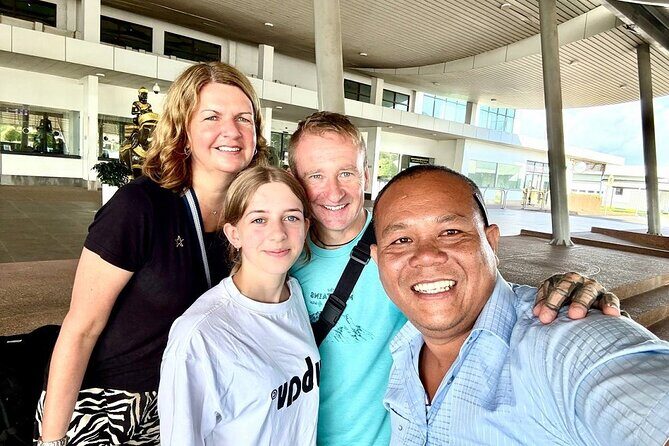
In past departures, guides such as Tom have been described as kind and very knowledgeable about the significance of the sights. Other names that show up in successful experiences include Siphat, Syphat, Sophy, and Mr. Sing. The consistent praise across different names is simple: clear explanations, good pacing, and being on time.
If you want to make the most of that, come with 2 or 3 questions. For example:
- What should I notice first in the Silver Pagoda?
- How does S-21 connect to what happened elsewhere?
- Are there specific exhibits you recommend I spend more time on?
Ask early, then let your guide steer you. The best tours don’t feel like a lecture. They feel like a conversation where you understand what you’re looking at in real time.
Other Royal Palace and Silver Pagoda tours in Phnom Penh



Price and value: how $65 per person adds up in Phnom Penh
At $65 per person, this tour can be a strong value—mostly because the price covers the things that usually cost you time and hassle on your own.
Included items that matter:
- Hotel pickup and drop-off
- Transportation (tuk tuk or minivan depending on your group)
- A local English-speaking guide
- Entrance fees
- Mineral water and a cold towel
When you add those up, the tour isn’t just paying for the sites—it’s paying for coordination, language support, and smoother entry. In Phnom Penh, getting from place to place without burning time matters. A private guide also helps you avoid the common trap of reading a few signs and calling it understanding.
What’s not included is food and drinks, plus travel insurance (and of course your visa is not included). That’s normal for tours like this. The smart move is to plan a light snack before you go—or grab something after—so you don’t feel distracted by hunger while you’re at Tuol Sleng.
One more value point: because this is private, it’s easier to move at a pace that works for you. If you need extra time at one site, you can usually request it. If you’re traveling solo, the guide attention can feel especially worth it.
Who should book this private Royal Palace + S-21 combination
This is a good fit if you want both sides of Phnom Penh’s story in one smooth route: royal ceremony and Khmer Rouge history. You’re also a good match if you prefer an English guide to provide context. The palace and pagodas are visual, but the museum is meaning-heavy. A guide helps you put the pieces together.
It’s not ideal if you’re easily overwhelmed by history. Tuol Sleng is emotionally difficult by design, and the tour includes that portion as a core stop. Also, it’s not suitable for children under 12.
If you’re short on time in Phnom Penh—maybe you only have one day—this private format makes sense because it covers big landmarks without you juggling transport. It’s also helpful if you’re the type who likes structure. You get a clear order: Royal Palace, Silver Pagoda, then Tuol Sleng, finishing with drop-off back to the city center.
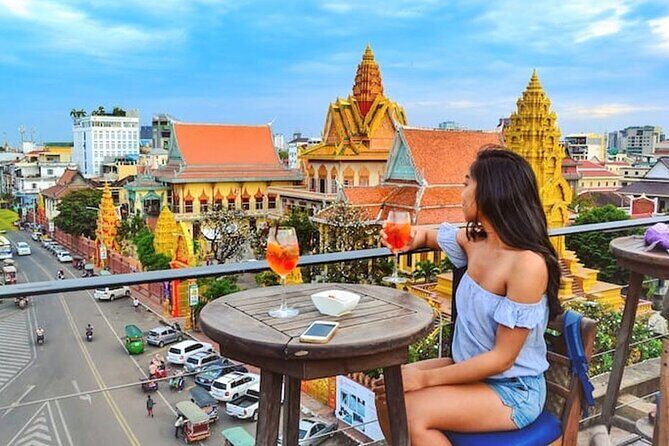
And if you want a gentle landing after the hard part, the tour offers a natural way to do that: you’ll be returned for drop-off at your hotel, or you can head to a riverside café or bar if you want sunset views by the water.
Should you book this tour?
I’d book it if you want a guided, efficient way to see Phnom Penh’s most famous sites and you’re ready for the emotional weight of Tuol Sleng. The combination works well because the contrast teaches you how power can look elegant and still be connected to brutality. That link is hard to grasp on your own.
I’d be cautious if you hate strict time limits or you need lots of time to process what you see. Ask your guide about pacing at the start, and confirm how long you’ll spend at each stop. If your schedule is fragile, that one conversation can save your whole day.
Overall, this tour is worth it when you treat it like two experiences in one: first, the royal-and-religious beauty of the palace complex and Silver Pagoda; then, the hard accountability of Tuol Sleng. Do both with your eyes open, and you’ll leave with a real sense of why Phnom Penh feels unforgettable.
FAQ
How long is the Phnom Penh private tour?
The tour duration is listed as 5 hours. Starting times depend on availability.
Does this tour include hotel pickup and drop-off?
Yes. Pickup is included from hotels in Phnom Penh, and you’ll be dropped back after the tour.
What’s included in the $65 per person price?
The price includes hotel pickup and drop-off, transportation (tuk tuk for 1–3 people or a minivan for 3+), a local English-speaking guide, entrance fees, and mineral water plus a cold towel on the vehicle.
What should I wear since shorts and sleeveless shirts aren’t allowed?
You should plan for comfortable shoes and sun protection like sunscreen. Shorts, sleeveless shirts, hats, and sunglasses are not allowed.
Is the tour suitable for children?
No. It is not suitable for children under 12 years.
Can I cancel or pay later?
You can cancel up to 24 hours in advance for a full refund. You can also reserve now and pay later.