REVIEW · PHNOM PENH
Killing Field & Paddy Rice Fields Tuk Tuk Adventure
Book on Viator →Operated by Vana Adventure Travel · Bookable on Viator
A countryside ride that connects rice fields to real history.
This is an 8-hour bike-and-Tuk Tuk day that takes you out of Phnom Penh to Khmer villages, paddy rice scenery, and major sites like Chambak Bet Meas Pagoda and Choeung Ek.
What I love most is the human touch: the guides (notably Thong of Vana Adventure Travel) bring strong English, easy humor, and they actually adjust the pace to your abilities. I also like that the day is built around both movement and meaning: you get time for rural life and temple stops, then the tour shifts to Cambodia’s darker past at Choeung Ek with an audio tour. One thing to plan for: it’s a moderate physical bike day in the morning heat, and the stated formal dress code can feel tricky if you’re used to casual travel clothes.
In This Review
- Key highlights to know before you go
- Bike, Pagoda, Rice Fields, and Choeung Ek: The real feel of this day
- Morning start from Phnom Penh: what the first hours set up
- Chambak Bet Meas Pagoda: a calm start that grounds the day
- Through villages to Tonle Bati: rice fields, farmlands, and a natural lake break
- Ta Prohm Temple: late-12th-century sights on the same route
- Lunch, water, and local street food tasting: the unglamorous part done well
- Choeung Ek Genocidal Center: one audio tour, no light mood
- The cycling setup: pace, group size, and how to choose an e-bike
- Value check: is $89 fair for what you get?
- Who should book this Phnom Penh countryside adventure
- Should you book it: my straight answer
- FAQ
- What time does the tour start?
- Does the price include hotel pickup and drop-off?
- Is lunch included?
- Do I need to pay for the Killing Fields admission or audio tour?
- Is there an audio tour at Choeung Ek?
- Are pagoda and temple tickets included?
- Can I rent an e-bike?
- How many people are in the group?
Key highlights to know before you go
- Hotel pickup and drop-off included, so you start the day without logistics stress
- Small group size (max 12) for more attention and a smoother pace
- Rice fields and rural village life plus temple viewing in the same day
- English-speaking guide with history context and a practical, friendly style
- Choeung Ek audio tour is part of the visit, but entrance/audio fees are not included
- E-bike rental available for $20 per person if cycling time feels like a stretch
Bike, Pagoda, Rice Fields, and Choeung Ek: The real feel of this day
This tour is for people who want more than a checklist. You’ll ride out from Phnom Penh into farmland country, see how rice farming shapes daily life, and then you’ll face Cambodia’s recent history at Choeung Ek. That mix is why this works so well: it turns one day into two worlds, countryside routine and historical weight.
Logistically, it’s set up to be easy. You get pickup and drop-off, you travel as a group, and you’re not left guessing where to go next. Even the pacing tends to be practical, based on what your guide is doing with the route and how they tailor the cycling to your level.
One more detail worth knowing: this isn’t just bike time. The experience also includes time discovering the countryside by Tuk Tuk, which helps break up the ride and keeps the day from becoming one long grind.
Other tuk-tuk tours we've reviewed in Phnom Penh
Morning start from Phnom Penh: what the first hours set up
The day begins at 7:30 am, which is smart if you care about comfort and not just sightseeing. You’re up early enough to enjoy daylight without feeling like you’re biking at peak midday heat from the start.
After pickup and a short transfer to the starting area, you get a briefing and then you head out. That briefing matters more than it sounds, especially if you’re not a daily rider. It helps you understand how the group will move, what the road and stops feel like, and how your guide plans transitions.
From the beginning, the tone is “local” rather than “tour-bus.” The goal is to move through village edges and farmland, not just pass by them while staring at your phone.
Chambak Bet Meas Pagoda: a calm start that grounds the day
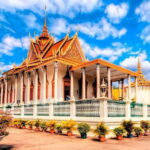
Your first major stop is Chambak Bet Meas Pagoda. It’s scheduled for about 3 hours, and the admission ticket is included, which removes one small cost you’d otherwise have to track.
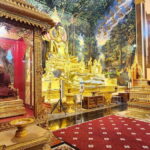
Pagoda visits like this are usually the first moment where you shift from city mindset to Khmer-country mindset. You’re not only looking at buildings. You’re getting a sense of how spiritual spaces fit into daily travel routes and village rhythms.
A longer block of time here also changes the feel of the whole day. Instead of hopping in and out, you get a real pause early on, which helps you deal with the contrast later when the tour moves into heavier territory.
If you tend to rush sites, this is a good place to slow down. And if you like photos, mornings usually make temple details easier to see without harsh glare.
Through villages to Tonle Bati: rice fields, farmlands, and a natural lake break
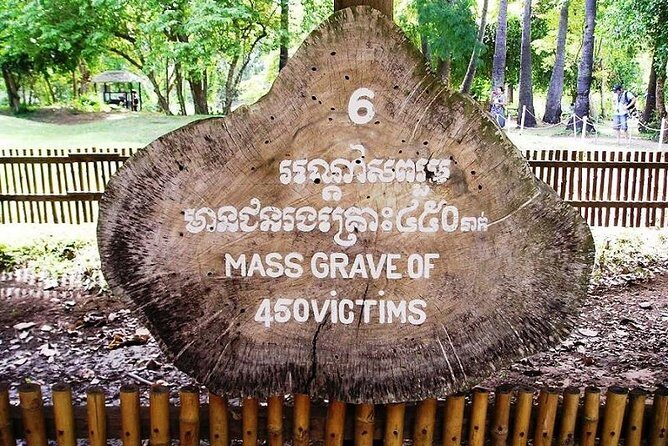
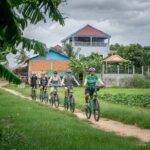
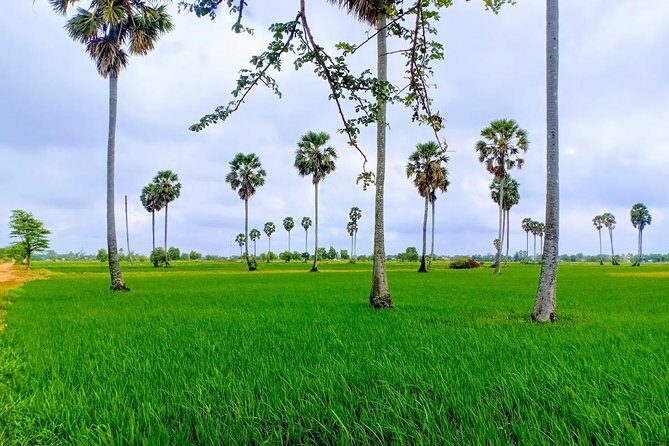
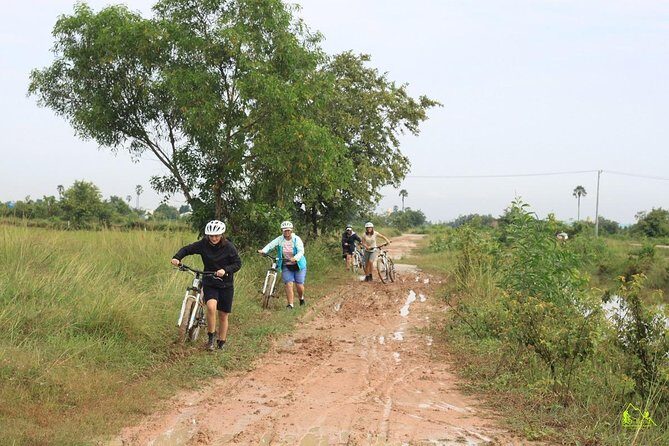
Next up is Tonle Bati, and this is where the scenery becomes lived-in. You’re biking through Khmer villages and you’ll spend time around paddy rice fields and farmlands. You also get access to a natural lake area, and the pacing here is lighter than a pure “ride for miles” day.
This stop runs about 2 hours, and the admission ticket here is listed as free. That’s a nice detail for value: you’re paying for the experience (guide, transport, bike day), not stacking multiple site fees.
Tonle Bati is also where you’re likely to feel the heat of the day most clearly. It’s a great time to use shade where you can, sip water often, and lean into the guide’s timing. The included drinking water plus local street food tasting helps you stay fueled without needing to search for supplies on your own.
And then there’s the human side. Rural areas are where your guide’s agriculture and landscape knowledge shows up, especially when the day is built to help you understand what you’re seeing—not just point at it.
Ta Prohm Temple: late-12th-century sights on the same route
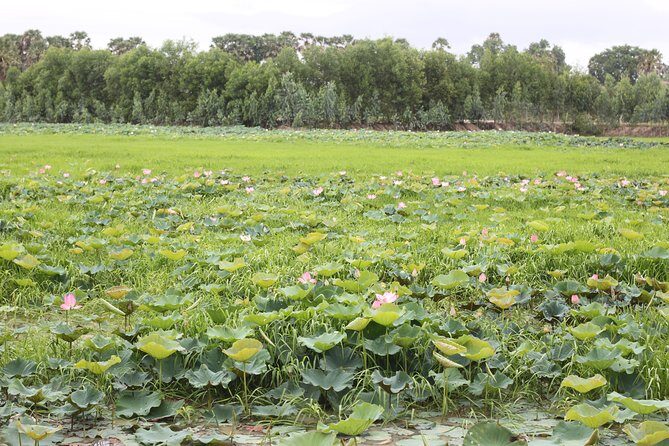
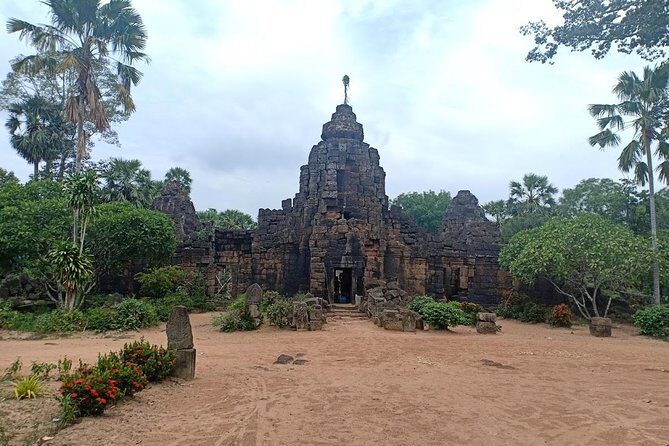
At Tonle Bati, you also visit Ta Prohm Temple, described as built in the late 12th century. The admission for this temple is listed as free, which is another value win within the day.
It’s a smart pairing because Ta Prohm works visually even if you’re already tired from biking. You get enough time to appreciate the place without treating it like a speed stop.
Also, it helps balance the day. You’ve already started with pagoda calm. Then you move to village rice country. Ta Prohm gives you a historic anchor before the day shifts again at Choeung Ek.
Other Killing Fields tours we've reviewed in Phnom Penh
Lunch, water, and local street food tasting: the unglamorous part done well
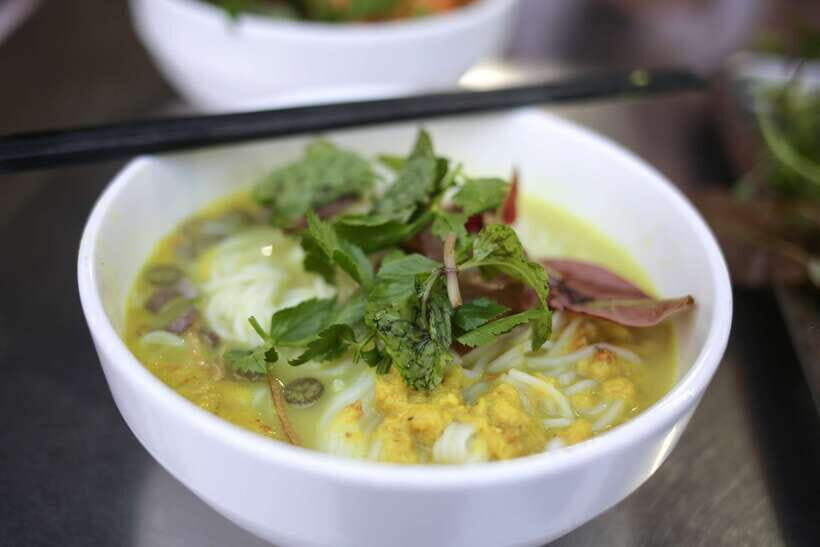
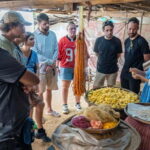
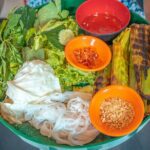
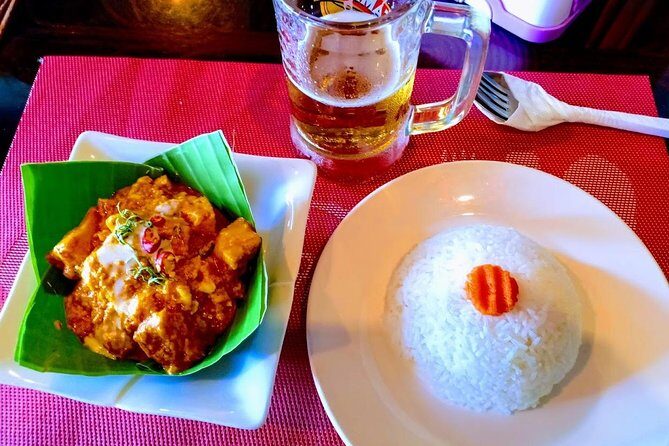
This tour includes lunch and also drinking water & local street food tasting. That matters more than people think. A day with cycling and walking needs steady energy, and it’s easier when meals aren’t a separate mission you have to plan.
Because the lunch is scheduled around the Tonle Bati portion, you’re not stuck eating late after you’ve spent hours in sun and motion. It helps you keep your energy for the final site, which is the emotional and mental heavy-hitter of the day.
My practical take: if you have a sensitive stomach, it’s still a good idea to pace the tasting portion. You can treat it like a sample round and stick to what feels safest for you.
There’s also a vegetarian option available if you tell them when booking. So if you eat plant-based, you don’t need to gamble that you’ll be fine on the day.
Choeung Ek Genocidal Center: one audio tour, no light mood
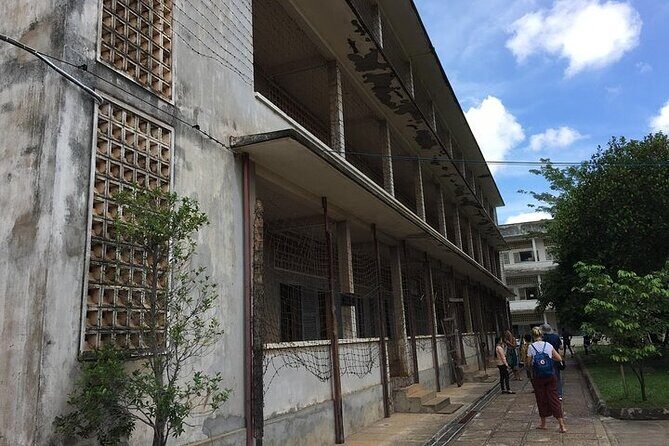
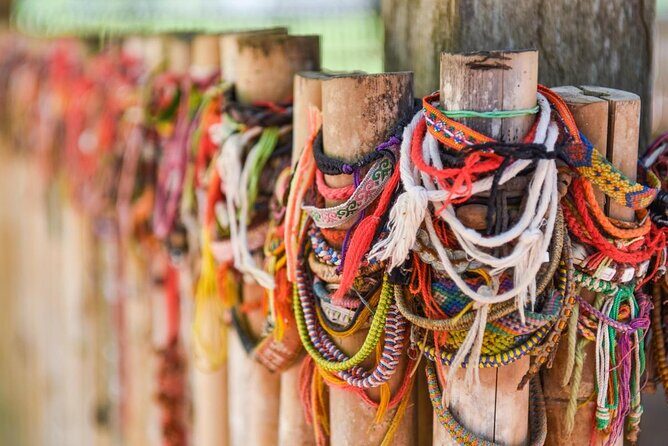
The last big stop is Choeung Ek Genocidal Center, and it’s about 2 hours. The admission ticket and audio tour fees are not included, so budget for those costs separately if you’re doing the math.
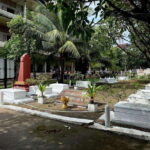
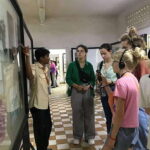
It’s hard to write about this part without sounding dramatic, but that’s not the point. The key practical detail is that the tour includes an audio tour there, and the visit is designed to help you understand Cambodia’s dark story during the Khmer Rouge regime.
In other words, this isn’t a casual sight. Plan your mental energy for it. If you tend to get overwhelmed at memorial sites, you’ll still want to go, but you may want to give yourself a little breathing space during the audio pauses and transitions.
Also, dress and comfort matter here. You’ll want shoes you can stand in and clothing that fits the formal requirement without making you miserable. The day already includes walking and time in open areas, so if you’re not comfortable in heat, bring a strategy (hat, water habits, and a careful clothing choice).
This stop is also why the earlier parts matter. You’ll have seen how ordinary life functions in the countryside. Then you’ll confront what happened when normal life was violently disrupted. That contrast lands.
The cycling setup: pace, group size, and how to choose an e-bike
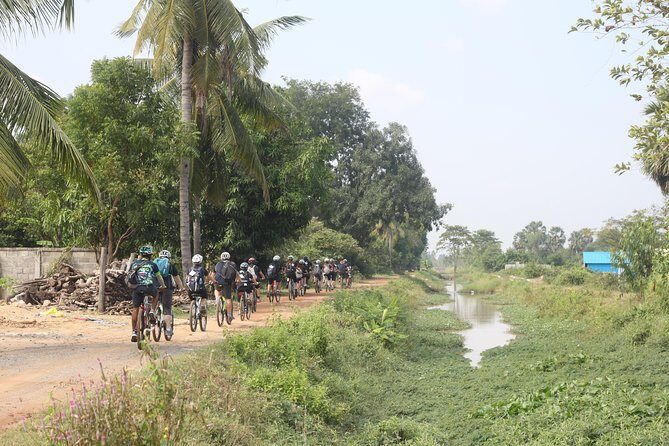
This experience is best for people with moderate physical fitness. That doesn’t mean you have to be an athlete, but it does mean you should expect real movement for part of the day and some changes in effort depending on road conditions.
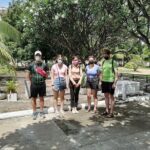
The tour limits groups to 12 travelers maximum, and that helps a lot. Smaller groups make it easier for your guide to keep track, slow down when someone needs help, and adjust the route pace when the group energy changes.
A big plus from real day-to-day experience: the guide style here is described as tailored. Thong, specifically, is noted for adjusting cycling to match abilities. That’s exactly what you want, because a fixed “race route” would be stressful.
If you think you might struggle, there’s an option: e-bikes can be rented for $20 per person. I like having that backup. Even strong riders can get tired halfway through a hot morning, and an e-bike can keep the day fun instead of grinding.
One more thing: your guide’s English is described as excellent, and that’s not a small detail. When the day shifts from rice fields to Khmer Rouge history, being able to follow every explanation helps the whole experience make sense.
Value check: is $89 fair for what you get?
At $89 per person for an approximately 8-hour outing, the value comes from what’s bundled. You get hotel pickup and drop-off, an English-speaking guide, lunch, drinking water, local street food tasting, cycling support, and countryside exploration that includes Tuk Tuk time.
Where the value calculation changes is site fees. The Killing Fields entrance ticket and audio tour fees are not included, so you should plan for that extra cost. Pagoda and Ta Prohm are listed as included/free in a way that reduces your need to pay multiple times across the day.
If you want to feel you got your money’s worth, look at it like this: you’re paying for one guided day that connects countryside life and major sites without transportation hassles. For Phnom Penh, that’s often the real cost driver, and this tour does that part for you.
Also, this is a small-group experience. The guide’s attention level tends to rise when the group is capped, and you feel that in how the day moves.
Who should book this Phnom Penh countryside adventure
This is a great fit if you want active travel with a purpose. If you enjoy cycling, rural scenes, temples, and you’re ready for a memorial visit at the end, you’ll likely find the structure satisfying.
It also works well for first-time Cambodia visitors, since it gives you a clear start in the country beyond Phnom Penh streets. The guides are described as friendly and funny, which helps if you’re nervous about doing something intense like Choeung Ek on a tight schedule.
If you hate early mornings or you’re not comfortable biking in heat, consider the e-bike option. And if you’re traveling with a strong preference for casual clothing, the formal dress code is something you should think about before booking, because the day requires you to show up appropriately.
Should you book it: my straight answer
Book it if you want a day that feels real, not rushed, and you like the idea of connecting rice fields and village life with a guided visit to Choeung Ek. The guide experience, the small group size, and the fact that lunch and pickup are included make it easy to commit to.
Skip (or adjust) if formal dress makes you miserable in hot weather or if biking a moderate distance sounds like a bad idea for your body right now. If cycling is the only concern, the $20 e-bike rental can be a smart fix.
Most importantly, go in knowing that the final stop isn’t just another attraction. It’s there for learning, with an audio tour, in a place that carries real weight.
FAQ
What time does the tour start?
The tour starts at 7:30 am.
Does the price include hotel pickup and drop-off?
Yes. Hotel pickup and drop-off are included.
Is lunch included?
Yes. Lunch is included, along with drinking water and local street food tasting.
Do I need to pay for the Killing Fields admission or audio tour?
Yes. Entrance ticket and audio tour fees at the Killing Field are not included.
Is there an audio tour at Choeung Ek?
Yes. The visit includes an audio tour.
Are pagoda and temple tickets included?
Chambak Bet Meas Pagoda admission is included, and Ta Prohm Temple admission is listed as free. Killing Field admission and audio tour fees are not included.
Can I rent an e-bike?
Yes. E-bikes are available for rent for $20.00 per person.
How many people are in the group?
The tour has a maximum of 12 travelers.