REVIEW · PHNOM PENH
Small Group: One Day Phnom Penh to Kampot, Kep include lunch
Book on GetYourGuide →Operated by Global Travel & Tours Asia · Bookable on GetYourGuide
A tight day trip with big variety. You get Kampot and Kep in one day with an English-speaking driver-guide, plus real stops like salt fields, pepper plantations, and a seaside lunch break. I also like how the plan builds in time to wander—Kampot’s riverside streets and then Kep’s quiet coastal mood—so you don’t feel like you’re just being shuttled from sign to sign.
The small-group size helps too, with a maximum of 9 people and a comfortable, modern air-conditioned vehicle. One thing to consider: it’s a full 11-hour day, and it needs good weather, so you’ll want to stay flexible if conditions aren’t right.
In This Review
- Key Points at a Glance
- One Day Phnom Penh to Kampot and Kep: The Real Payoff
- Pickup, Timing, and That Long Road Comfort Check
- Kampot First: Market Streets, Colonial Shop Houses, and Chinese Life
- What I’d watch for in Kampot
- Salt Fields and Kampot Pepper: What Local Production Looks Like
- The value of these “food-and-farm” stops
- Lunch in Kep: Swimmer Crab, Kampot Pepper, and a Beachside Break
- A smart tip for lunch time
- Kep-Sur-Mer: A Coastal Village With Quiet Energy
- Kompong Trach and Wat Kirisan: Cave Temple at Phnom Sor
- How to make this cave stop more pleasant
- The Guides and the Pace: Why It Feels Well Run
- Small Group Size (Max 9): How That Changes Your Experience
- Price and Value: Is $158 Worth It?
- Who Should Book This Phnom Penh–Kampot–Kep Day Trip?
- Should You Book This Tour?
- FAQ
- How long is the Phnom Penh to Kampot and Kep tour?
- What is included in the price?
- Where is the pickup location in Phnom Penh?
- What time does pickup start?
- What languages do you get on the tour?
- How big is the small group?
- Does this tour depend on weather?
- What lunch should I expect in Kep?
- Is the tour suitable for wheelchair users or pregnant women?
- What is the cancellation policy?
Key Points at a Glance
- A fast, full-route day covering Kampot, Kep, and a stop near Kompong Trach
- Seafood lunch in Kep known for swimmer crab and Kampot pepper
- Salt fields and Kampot pepper farm for a grounded look at local production
- Wat Kirisan cave temple at the base of Phnom Sor, with hidden chambers and shrines
- Small-group feel (max 9) plus bottled water during transfers
One Day Phnom Penh to Kampot and Kep: The Real Payoff
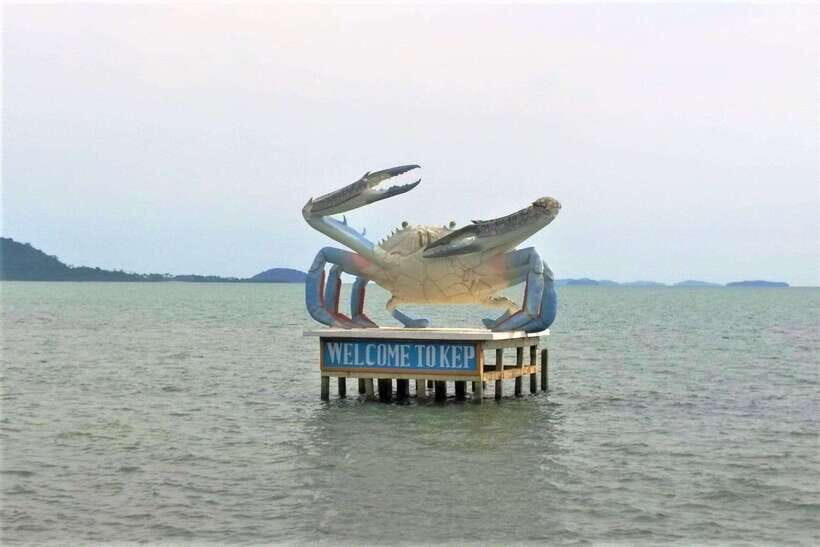
This trip is built for people who don’t want to transfer hotels or spend the night in the countryside. In one day, you cover Kampot’s town life and French-era edges, then shift to Kep, a coastal escape that’s famous across Cambodia for its shoreline and seafood. The pacing is the key: you’re not just driving between dots on a map—you stop often enough to actually feel each place.
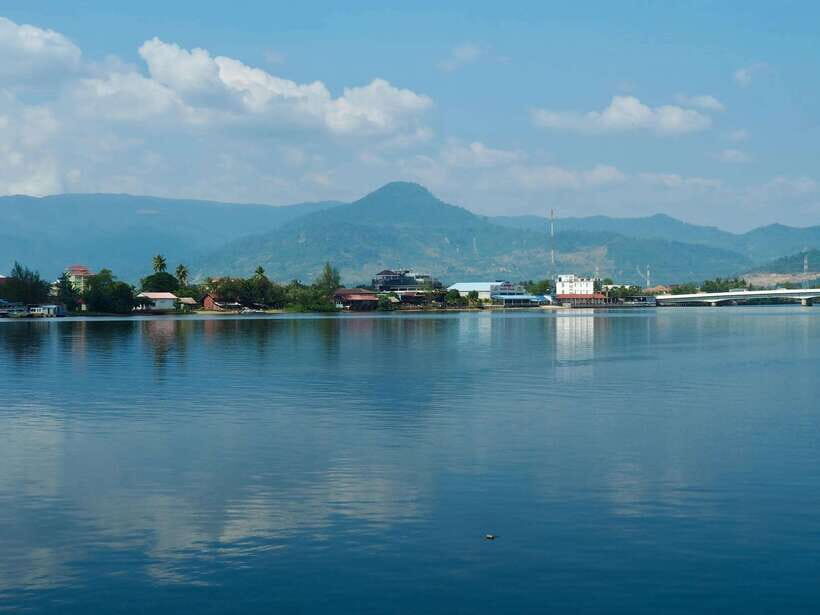
I like the balance between “see it” and “do a little wandering.” You get market and architecture time in Kampot, then you slow down for lunch and a riverside stroll. By the time you reach Kep and the cave area, the day already has a rhythm, not a scramble.
A few more Phnom Penh tours and experiences worth a look


Pickup, Timing, and That Long Road Comfort Check
You’ll be picked up from Phnom Penh downtown around 7:30am (some departures start the pickup window from 7:00–7:30am). Then the morning road trip begins, and you’ll reach the Kampot area by late morning. Expect the day to run to the evening, with arrival back in Phnom Penh around 7:00–7:30pm.
This kind of schedule matters because Kampot and Kep are not next door to Phnom Penh. So yes, it’s long. But the tour is timed so you get your first meaningful stop early enough to avoid feeling drained from the start. Also, the air-conditioned vehicle and bottled mineral water during transfers take the edge off the drive.
Kampot First: Market Streets, Colonial Shop Houses, and Chinese Life
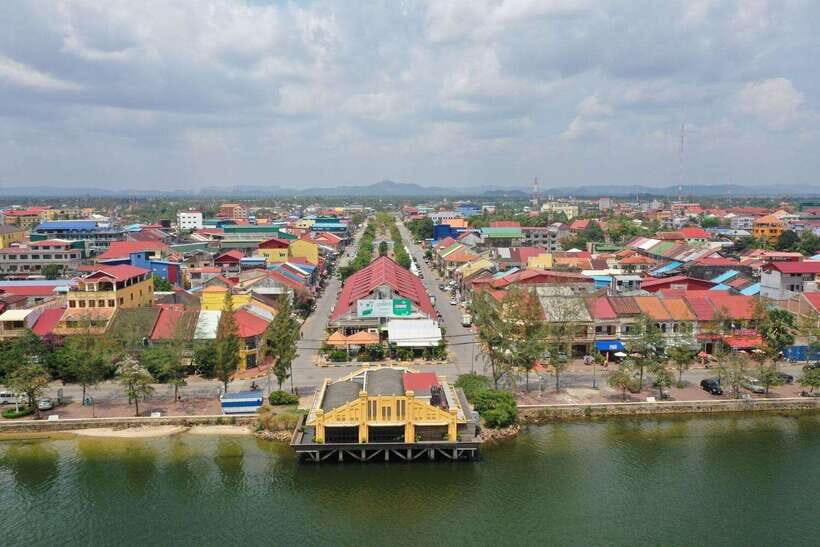
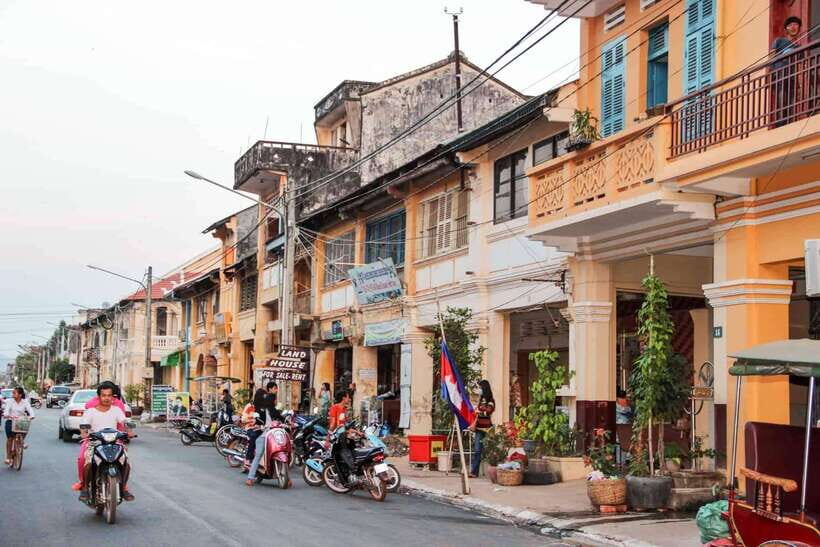
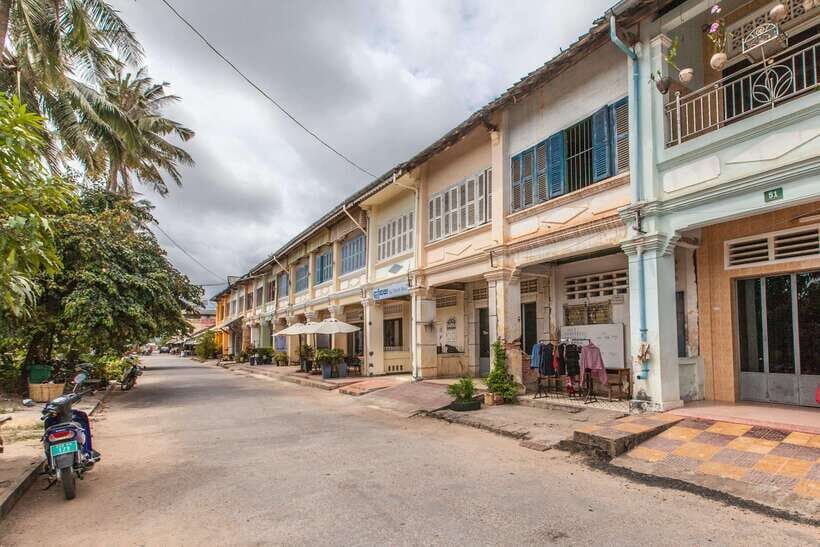
Kampot sets the stage. You’ll get a guided orientation through town, including the colonial shop-house style that’s a recognizable look from the French and post-colonial eras. This is also where you start catching the daily pulse of the place—Kampot’s market is lively, and bargaining is part of the fun.
One especially useful payoff: you’re not just sightseeing buildings. You also learn how the town’s trading history shaped who lives here now. The tour route includes references to the Chinese merchants who historically dominated commerce, and you’ll see that influence in the way the town functions today. If you’re the type who likes “why does this place look like this?” this stop gives you a practical story.
What I’d watch for in Kampot
Kampot can move fast—market streets, quick viewpoints, and then onward. Wear comfortable walking shoes, and keep your phone charged. The tour moves with intention, but you’ll still want a moment to slow down for photos and smaller details.
Salt Fields and Kampot Pepper: What Local Production Looks Like
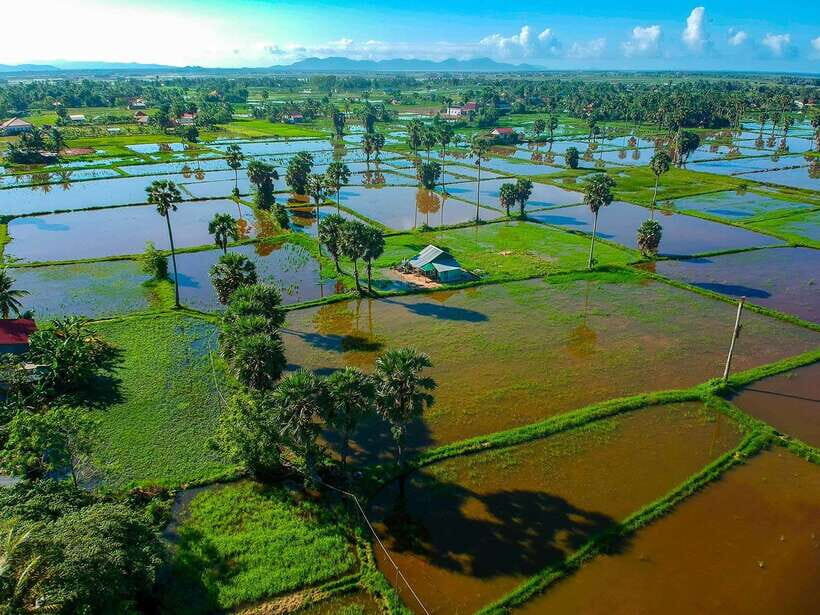
After the Kampot town time, the itinerary shifts from city edges to local output. You’ll visit the salt fields, where salt produced here is shipped around the country. Even if you’re not obsessed with salt production, it’s a great reality check: this region isn’t just a holiday stop; it supports work and livelihoods.
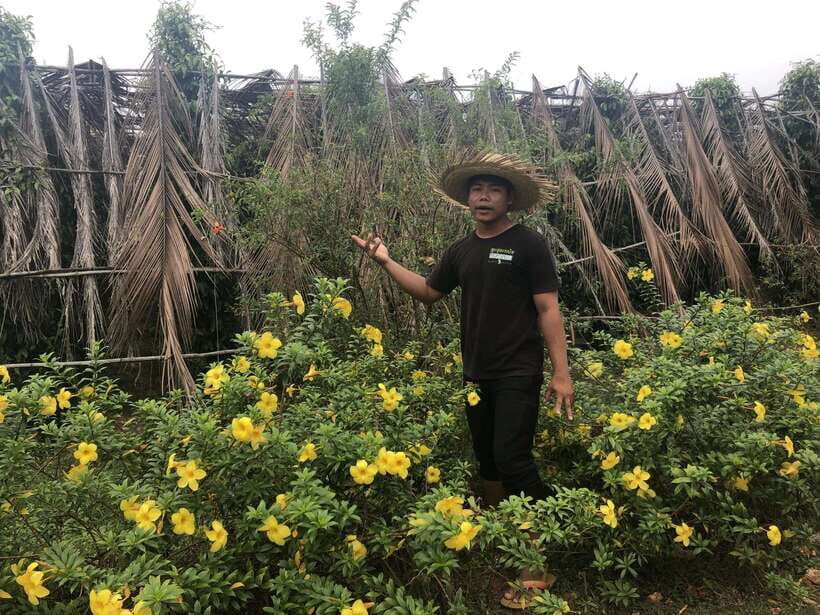
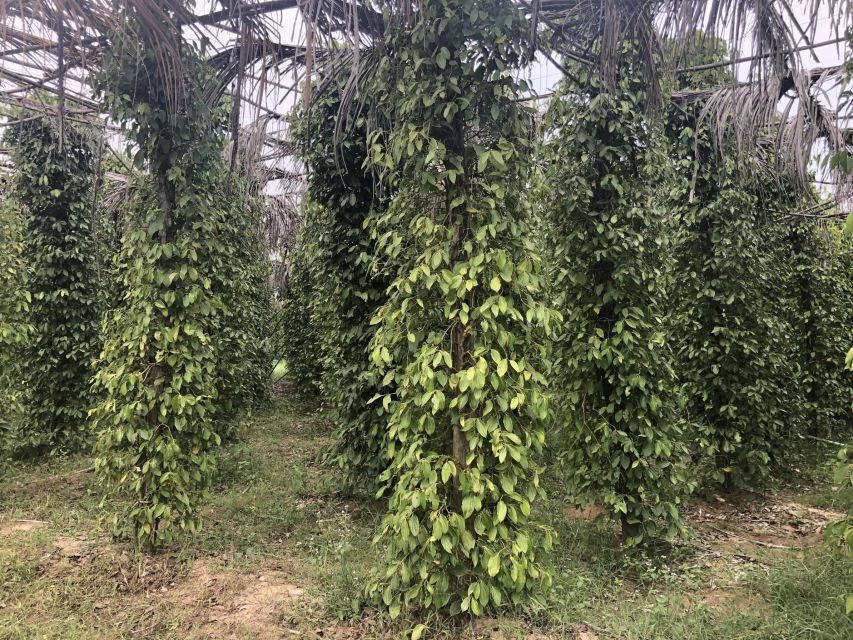
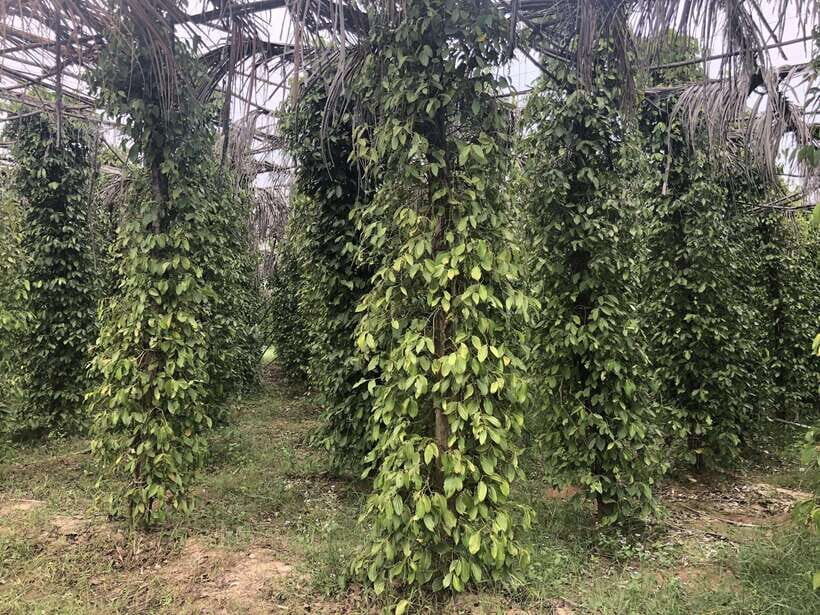
Then comes the Kampot pepper farm (Plantation Kampot). This is one of those stops that’s short enough not to drag, but focused enough to make the later seafood lunch make sense. Kampot pepper isn’t just a label—you’ll get a better sense of where it comes from and why it shows up in local dishes.
A few more Phnom Penh tours and experiences worth a look



The value of these “food-and-farm” stops
The tour avoids the common mistake of turning farms into empty photo ops. You get a better context for why pepper shows up on menus in Kep, and why local products matter to the economy. It makes lunch feel earned, not random.
Lunch in Kep: Swimmer Crab, Kampot Pepper, and a Beachside Break
Lunch is served in Kep at a seafood restaurant known for its signature dish of swimmer crab and Kampot pepper. This is the moment most people remember because it’s the intersection of place and flavor. Kep is famous for seafood, and you’re eating it in the coastal setting that made it worthwhile in the first place.
In practice, this is also where the pacing resets. You get time to refuel before heading into cave territory near Kompong Trach. One review experience included lunch at a restaurant called Kimly by the beach, and the food hit the mark for both taste and setting.
A smart tip for lunch time
If you have dietary needs, say something to your guide early. The tour keeps moving, but there’s room to plan around what you eat. Also, use this break to hydrate—then you’re ready for the afternoon walking and cave visit.
Kep-Sur-Mer: A Coastal Village With Quiet Energy
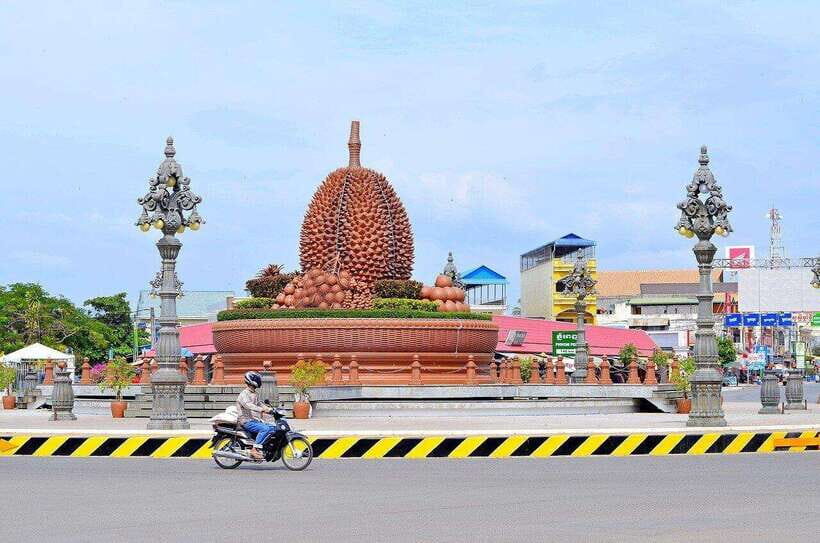
After lunch, Kep is where the day slows down visually. You’ll continue to the coastal village of Kep (often described as Kep-sur-Mer). This is a quiet fishing village side of Cambodia, not a loud resort strip. The coastline is a major draw—this is the part of the trip where you start to feel the “holiday” side of the region.
If you love faded grandeur, Kep’s contrast works: Kampot gives you colonial shop houses and port-town history, while Kep adds sea air and a calmer rhythm. You’ll also get some exploration time, including a market break near the crab market area.
Kompong Trach and Wat Kirisan: Cave Temple at Phnom Sor
The afternoon stop near Kompong Trach is one of the most interesting turns on the whole day. The area has had a more complicated past, and the tour route brings you to a cave temple experience that feels tucked away from the main tourist circuit.
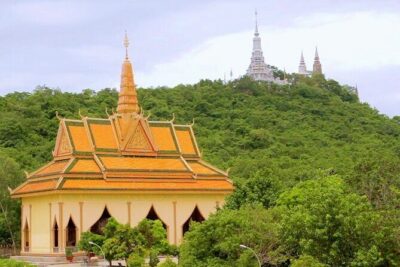
You’ll visit Wat Kirisan, built into the base of Phnom Sor. The route goes through a small cave into a hidden chamber open to the elements. You’ll see sheer walls with foliage and several hidden shrines. There’s also the Cave of a Thousand Rice fields, where locals describe the limestone as looking like terraces.
How to make this cave stop more pleasant
Bring something simple for comfort—good grip shoes help, and keep a light layer handy if the cave feels cooler than outside. If you’re prone to feeling rushed in “slow experience” places, tell your guide. The day’s long, but you don’t have to speed through the cave.
The Guides and the Pace: Why It Feels Well Run
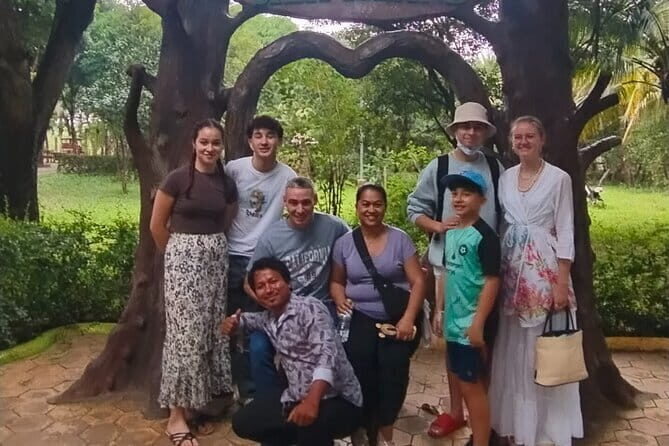
A big reason this trip gets strong marks is how it’s handled in real time. Guides like Mr Ann and Thorn have been mentioned as running the day with clear explanations and calm professionalism. You can see what that means for you: less waiting, fewer confusion points, and more time at each stop.
There’s also a practical touch. One guide handled extra needs like adjusting the flow so hunger wasn’t an issue, and another checked in about toilet breaks and photo angles. Those small management skills matter on a day trip, because the schedule is tight.
Small Group Size (Max 9): How That Changes Your Experience
With a maximum of 9 participants, you’re not stuck in the “big bus” rhythm. You’re more likely to get help with questions, photos, and timing between stops. For a route that mixes markets, a pepper farm, seafood lunch, and a cave temple, that flexibility is a real quality-of-life upgrade.
It also tends to make the English-speaking guide’s explanations easier to follow. You’re not competing with dozens of other people for attention or for a chance to ask what something means.
Price and Value: Is $158 Worth It?
At $158 per person for an 11-hour small-group day trip, the value comes down to what’s included. You get transportation in a modern air-conditioned vehicle, an English-speaking driver-guide, and entrance fees for the stops listed. Bottled mineral water is included during sightseeing and transfers. The biggest line item is lunch: a seafood meal in Kep featuring swimmer crab and Kampot pepper.
If you tried to DIY this on your own, you’d still need a vehicle for the full Phnom Penh–Kampot–Kep route, paid entries for at least some stops, and you’d have to coordinate timing so you don’t arrive hungry and stressed. Paying for the structure here is what makes the day work. You’re buying a smooth path through a route that would be harder to juggle without local planning.
One note: this isn’t the cheapest option if you want a low-cost backpack-only day. But if comfort, timing, and fewer decision headaches matter, this price can feel fair.
Who Should Book This Phnom Penh–Kampot–Kep Day Trip?
This works best for you if you:
- Want a one-day snapshot of Kampot and Kep without overnight planning
- Like markets, food stops, and one meaningful site that’s not just a viewpoint
- Prefer a small group and a guide who manages time and questions
It may not fit if you need wheelchair access or if you’re pregnant; the tour explicitly notes it’s not suitable for wheelchair users and pregnant women. Also, because it depends on good weather, you should book with the understanding that conditions can change the schedule.
Should You Book This Tour?
I’d book this trip if your main goal is to see the core of Kampot and Kep fast and end the day with a proper seafood lunch story. The itinerary hits the usual big-name attractions, but it also adds stops that explain what you’re eating and why the region matters. The small group size helps keep it human.
I’d skip it if you’re the type who hates long days or you’re scheduling during a period when weather is unpredictable. In that case, wait for a better day—or choose a slower option.
FAQ
How long is the Phnom Penh to Kampot and Kep tour?
The duration is 11 hours.
What is included in the price?
It includes modern air-conditioned transportation, an English-speaking driver-guide, sightseeing as specified (including entrance fees), bottled mineral water during transfers and sightseeing, VAT and taxes, and a seafood lunch in Kep.
Where is the pickup location in Phnom Penh?
Pickup is from Phnom Penh downtown.
What time does pickup start?
Pickup is included around 7:30am, with pickup windows beginning about 7:00–7:30am.
What languages do you get on the tour?
The live guide is English.
How big is the small group?
The tour has a maximum of 9 participants.
Does this tour depend on weather?
Yes. The experience requires good weather, and if it’s canceled due to poor weather, you’ll be offered a different date or a full refund.
What lunch should I expect in Kep?
Lunch is a seafood meal served at a preferred local restaurant in Kep, known for swimmer crab and Kampot pepper.
Is the tour suitable for wheelchair users or pregnant women?
No. It is not suitable for wheelchair users or pregnant women.
What is the cancellation policy?
You can cancel up to 24 hours in advance for a full refund.