REVIEW · PHNOM PENH
Phnom penh full day Tour
Book on GetYourGuide →Operated by cambodia tour minivan · Bookable on GetYourGuide
Phnom Penh hits you hard, then teaches fast. This full-day route links the formal calm of the Royal Palace with the weight of Khmer Rouge history at Tuol Sleng, so you see how power turned into punishment. I like the clear, on-the-ground storytelling from an English-speaking guide, and I like how the minivan keeps the whole day moving in about six hours.
You’ll also get balance with the National Museum and Wat Phnom, where Khmer art and Buddhist faith pull the day back into perspective. The main drawback is simple: entry fees are not included, so you’ll want to budget extra on the spot, especially if every site is open.
In This Review
- Key things that make this Phnom Penh day tour work
- Price and logistics: what $35 really buys you
- Royal Palace: more than a pretty building complex
- Tuol Sleng (S-21): the prison that used to be a school
- Choeung Ek Killing Field: where the story becomes physical
- National Museum of Cambodia: the cultural reset you need
- Wat Phnom: a peaceful temple finish with real presence
- Transportation and pacing: small-group comfort matters here
- Guides make or break it: what you can learn from Sovann and Ned
- Tips to get the most out of the day
- Should you book this Phnom Penh full day tour?
- FAQ
- How long is the Phnom Penh full day tour?
- What’s included in the price?
- Are the entry fees included?
- Does the tour include pickup in Phnom Penh?
- What should I bring?
- Are there any rules about alcohol or drugs?
- Who might not be able to join this tour?
Key things that make this Phnom Penh day tour work
- Tight six-hour schedule that covers five major sights without feeling like you’re sprinting
- Tuol Sleng + Choeung Ek in one day so the story has a beginning and an ending
- English-speaking guides who can explain the Khmer Rouge era with context and patience
- Royal Palace setting built after King Norodom moved the capital, facing toward the east on Chaktomuk
- A gentler finish at Wat Phnom, which helps your brain reset after the harder stops
Price and logistics: what $35 really buys you
This tour is priced at $35 per person for a six-hour day trip. That covers the human part (an English-speaking guide), the wheels (a minivan), and basic comfort like cool water and a soft drink.
What it does not cover is entry into the big-ticket sites. Based on the listed fees, you should expect these add-ons per person if you visit everything: Royal Palace ($10), Tuol Sleng ($5), Choeung Ek ($3), National Museum of Cambodia ($10), and Wat Phnom ($1). Add them up and you’re looking at roughly $29 more on the day, for a total closer to $64.
Is it worth it? For many people, yes—because you’re not just buying tickets. You’re buying an organized route, English explanations, and a plan that puts the genocide sites in the right order so it actually makes sense. If you’re on a tight timeline in Phnom Penh, this is also an efficient way to see the main “musts” without cobbling together rides street-by-street.
Pickup is in Phnom Penh. The guide finds you based on the name used when you booked, and you drop that name where you’re staying so the driver can spot you. You’ll end back with drop-off options that include Phnom Penh 51 Hotel.
Other full-day Phnom Penh tours we've reviewed

Royal Palace: more than a pretty building complex
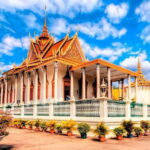
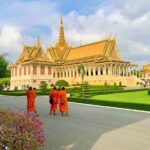
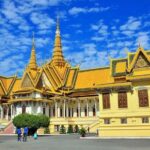
The day starts at the Royal Palace of Cambodia, a complex that served as the official royal residence of the King. It’s not just decorative. The palace was built between 1866 and 1870, after King Norodom relocated the royal capital from Oudong to Phnom Penh.
You’ll hear how the site matters: it was built on top of an older citadel called Banteay Keo. The palace faces roughly east, and it sits near Chaktomuk, the name tied to the confluence area of the Tonle Sap River and the Mekong River. The location connects to Brahma in name and meaning, which is one reason the area feels important even when you’re just looking across the river.
What I like about this stop is that it gives you a reference point before the day turns heavy. You get a sense of Cambodia’s official past—then you move from royalty and authority into the machinery of imprisonment and execution.
Possible consideration: the palace can be closed on some days. In one case, it was shut for a booked visitor, but the rest of the tour still delivered a full, meaningful set of stops. If you care a lot about the palace interior, it’s worth keeping flexibility in your expectations.
Tuol Sleng (S-21): the prison that used to be a school
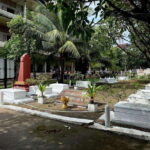
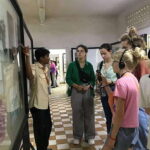
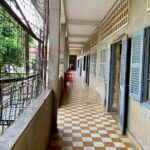
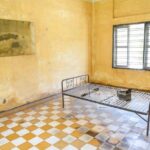
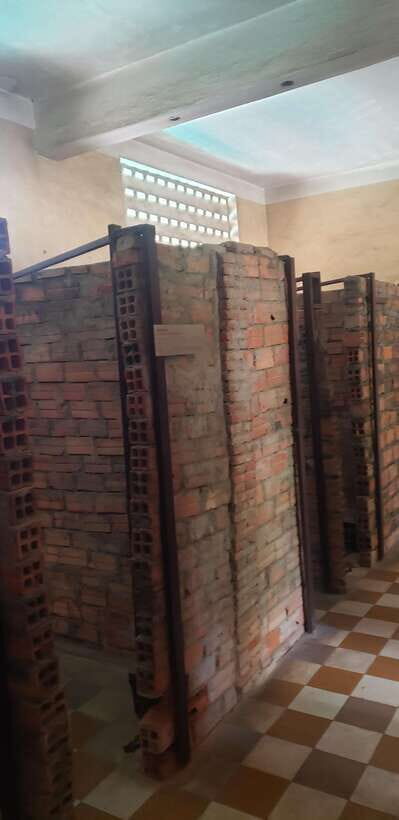
Then comes the emotional center of the day: Tuol Sleng Genocide Museum, also known as Security Prison 21 (S-21). The museum is built around a former secondary school that was repurposed by the Khmer Rouge regime starting in 1975, and used until the regime fell in 1979.
Here’s what makes this place so hard to shake: from 1976 to 1979, an estimated 20,000 people were imprisoned there. Tuol Sleng was only one site, part of a wider system that included between 150 and 196 torture and execution centers. Standing in the preserved spaces, you start to understand this was not random violence—it was organized cruelty with a network behind it.
What I really appreciate when a guide runs this stop well is how they explain the structure without turning it into a lecture. In guides like Sovann and Ned (names you’ll see tied to strong tours), you often get calm, detailed context, including how to connect what you’re seeing to Cambodian history and culture without losing your footing.
Practical tip: you’ll want your camera ready, but the feeling here matters more than the photo. Go slow. If you need a moment to step back, take it. This isn’t a site where rushing makes the experience better.
Choeung Ek Killing Field: where the story becomes physical
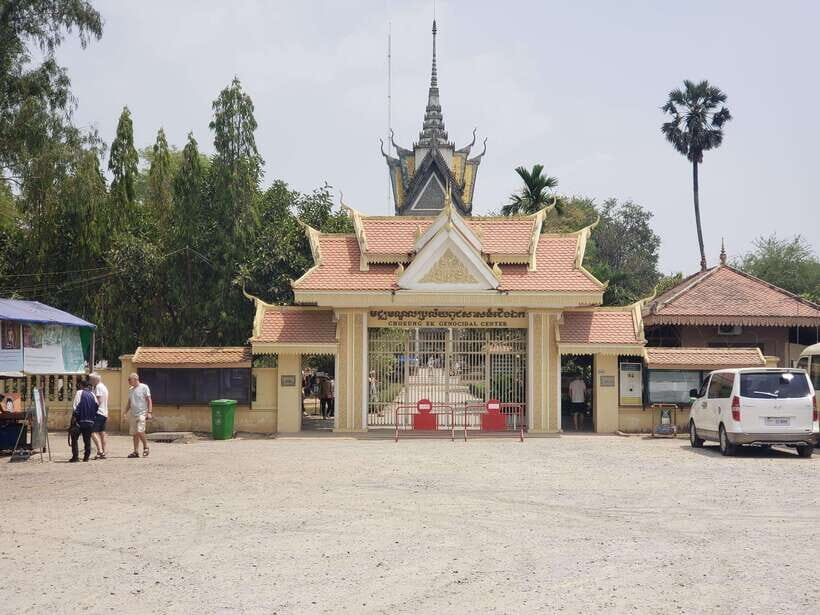
Next is Choeung Ek, a former orchard in Dangkao, about 17 kilometers south of central Phnom Penh. It was used as a killing field between 1975 and 1979 by the Khmer Rouge, and it was attached to the Tuol Sleng detention system. In plain terms: many of the people processed at S-21 were connected to this final stage.
This stop can hit even harder than the museum, because it’s open-air and immediate. You’re not just reading about an atrocity. You’re walking a place where the consequences were carried out and where the site still holds meaning.
Why it’s so valuable as part of the same day: when you pair Tuol Sleng + Choeung Ek, you don’t treat them like two random sites. You see the flow—from imprisonment to execution and burial. A good guide keeps those connections clear, so your brain doesn’t have to guess the links.
How to handle the emotional load: give yourself some breathing room. Don’t try to “power through” just to tick the box. If you’re sensitive to graphic history, you might want to pause often and go at a slower pace than you would at a standard temple or museum.
National Museum of Cambodia: the cultural reset you need
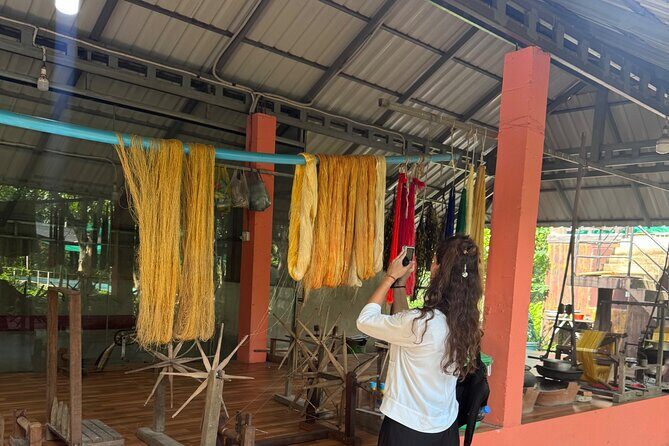
After the heavy sites, the National Museum of Cambodia brings you back into a different kind of attention. It’s the country’s largest museum of cultural history and its leading historical and archaeological museum.
This is where I like your day to shift. You get to look at Khmer art and objects in a way that shows what was worth protecting and what made Cambodian identity distinct long before the Khmer Rouge era—and what endured.
The museum also helps you make sense of the bigger picture. When you’ve just spent hours in places tied to suffering, the museum can feel like relief, but it’s not entertainment. It’s a reminder that a country isn’t only its worst chapter.
If you’re the type of person who enjoys architecture and artifacts, this stop gives you plenty to focus on—especially when your guide explains how the items connect to Cambodian history.
A few more Phnom Penh tours and experiences worth a look
Wat Phnom: a peaceful temple finish with real presence
To wrap up, you’ll visit Wat Phnom, a Buddhist temple in Doun Penh. Wat Phnom is a pagoda and the temple is tied to the name Phnom Penh, which helps it function like a symbol of Khmer national identity.
One detail I think travelers will appreciate is the sheer scale: Wat Phnom has a total height of 46 meters. That matters, because it makes the temple a visual anchor in the city. After the day’s emotional pressure, you can look around and feel the city again instead of focusing on stories of the past.
This is the part where your pace often slows naturally. You’re not scanning exhibits or walking between memorial spaces. You’re taking in a sacred site and the wider Phnom Penh feel as the tour ends.
Transportation and pacing: small-group comfort matters here
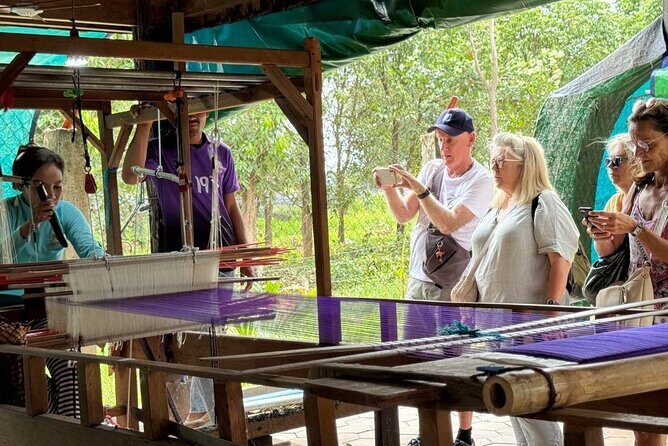
This is a minivan tour, and that choice matters in Phnom Penh. The drive time is part of the experience—you get dropped near each site and then return to the vehicle without negotiating ride details yourself. For a day packed with five major stops, that’s a big deal.
Duration is set to about six hours, and your itinerary visits: Royal Palace, Tuol Sleng, Choeung Ek, National Museum, and Wat Phnom. Because it’s a planned sequence, you avoid the common trap of spending your afternoon wandering and losing context.
Group size can be private or small groups, which usually helps for a day like this. When you’re at genocide-related memorial sites, you don’t always want the energy of a large group behind you.
One small but meaningful comfort detail: the tour includes cool water and a soft drink. It’s not a luxury add-on—it’s practical. Phnom Penh can feel warm, and having drinks taken care of helps you stay focused.
Guides make or break it: what you can learn from Sovann and Ned
The best part of this tour isn’t just the itinerary. It’s the way the history gets explained, especially at the hardest stops.
In real feedback, guides such as Sovann and Ned have shown strong command of the Khmer Rouge era and the sites tied to it. In one case, Sovann adapted the tour to match needs as the day progressed, and stayed patient while someone visited areas at their own pace. In another, a guide’s knowledge covered multiple sites connected to the Pol Pot era, and also extended beyond those stops to the Royal Palace and Wat Phnom.
There’s also a human side that matters: one visitor said Sovann covered an entrance fee when they had no cash on hand, and they reimbursed him afterward. That’s not something to assume will happen to everyone, but it signals how guides may handle real-world problems quickly so your day doesn’t derail.
Tips to get the most out of the day
Bring a camera as listed. If you prefer to limit photos at the memorial sites, that’s totally fine. You’ll still leave with plenty of things to remember even without images.
Wear something comfortable for walking, since you’ll move between sites and spend time in places where you can’t just stand still. Also, keep an open mind about emotional pacing. This day has both sorrow and cultural reflection, and that mix can feel like a roller coaster if you expect it to be strictly one tone.
Finally, be aware of the rule: alcohol and drugs are not allowed during the tour. Keep it straightforward and you’ll travel with fewer hassles.
Should you book this Phnom Penh full day tour?
If you have one solid day in Phnom Penh and you want the big themes—royal authority, genocide-era history, Khmer culture, and a calmer temple finish—this is a strong fit. You’ll get a structured route that helps the story make sense, especially when the guide ties Tuol Sleng to Choeung Ek instead of treating them like separate stops.
I’d especially recommend it if:
- you want an English-speaking guide and don’t want to piece everything together yourself
- you like history explained in context, not just facts listed on plaques
- you want a day that ends with a more peaceful view at Wat Phnom instead of finishing after the hardest memorial
I’d think twice if:
- you hate emotionally intense sites and want something gentler
- you’re not willing to budget for entry fees on top of the base price
- you’re traveling with very limited time flexibility, since the palace could occasionally be closed
Overall, this tour offers real value because it combines access, transport, and interpretation. It’s not a casual sightseeing day, but it is a well-structured one.
FAQ
How long is the Phnom Penh full day tour?
The duration is listed as 6 hours.
What’s included in the price?
The tour includes an English-speaking tour guide, driver, pickup, transportation by minivan, and cool water and a soft drink.
Are the entry fees included?
No. Entry fees are not included for the listed sites: Royal Palace, Tuol Sleng Genocide Museum, Choeung Ek Killing Field, the National Museum of Cambodia, and Wat Phnom.
Does the tour include pickup in Phnom Penh?
Yes. Pickup is available in Phnom Penh, and the guide looks for you based on the name used when you booked.
What should I bring?
You should bring a camera.
Are there any rules about alcohol or drugs?
Yes. Alcohol and drugs are not allowed.
Who might not be able to join this tour?
It’s listed as not suitable for babies under 1 year and people over 95 years.