REVIEW · PHNOM PENH
One Day Trip to Phnom Da, Ta Prohm Bati, Neang Khmao & Chiso
Book on GetYourGuide →Operated by Tour Guide Team in Siem Reap · Bookable on GetYourGuide
Four temples in one smooth day.
This private full-day route mixes big-name ruins with quieter Khmer layers, and a licensed guide helps you understand what you’re looking at as you go. I really like the fact that it’s 100% private, so your timing and photo stops feel natural instead of rushed.
The plan also keeps the group small, usually capped at six people, so you can ask questions and get answers without shouting over strangers. One consideration: no meals are built in and temple tickets aren’t included, so you’ll want snacks and budget for entry fees.
In This Review
- Key highlights worth planning around
- Phnom Penh pickup to countryside temples: why this route works
- Phnom Da: the hilltop start with serious Chenla history
- Ta Prohm Bati: five chambers, living architecture, and that famous tree
- Yeay Peau / Yeay Pow Temple: a mother-linked legend you can feel in the stones
- Neang Khmao: the Black Virgin temple stop for atmosphere and symbolism
- Phnom Chisor: a 50 km hillside temple with a staircase you can’t ignore
- Transport, comfort, and the value of a licensed guide
- Timing, food reality, and how to avoid a snag
- What this day trip is best for (and who should skip it)
- Booking verdict: should you choose this one-day Khmer circuit?
- FAQ
- FAQ
- How long is this Phnom Penh day trip?
- What temples and sites are included?
- Is the tour private, and how many people are in the group?
- What’s included in the price?
- Are meals or temple tickets included?
- Do I need to buy temple tickets at each site?
Key highlights worth planning around
- 100% private tour with a licensed guide: you get real explanations, not just directions
- Phnom Da’s hilltop story: a 5th–6th century foundation with evidence stretching back to at least 400 BCE
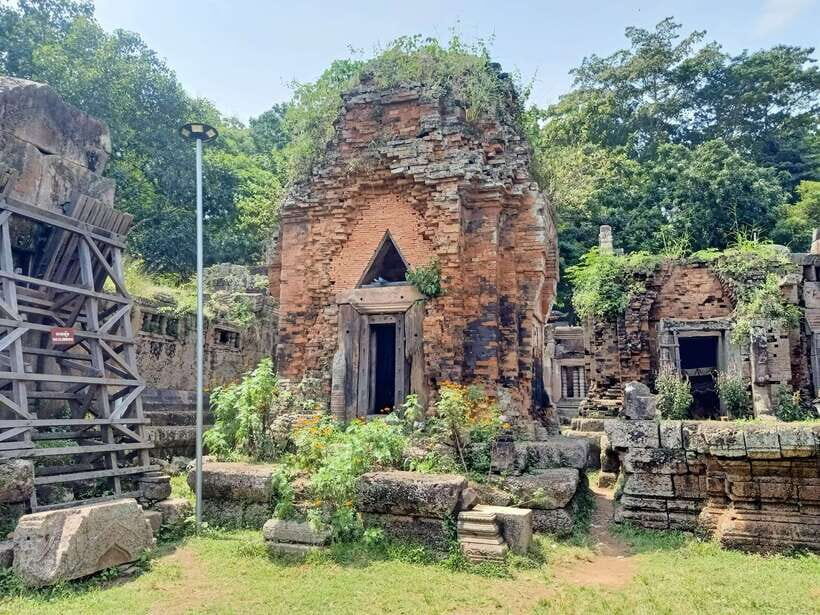
- Ta Prohm Bati’s tree takeover: see the sanctuary layout with a dramatic living canopy
- Neang Khmao and Phnom Chisor as culture bookends: compare the small shrine feel with a massive hillside approach
- English guide and smooth logistics: hotel pickup, air-conditioned van, cold waters, parking, toll roads
- Small-group pace: enough time to walk, look up, and reset between stops
Phnom Penh pickup to countryside temples: why this route works
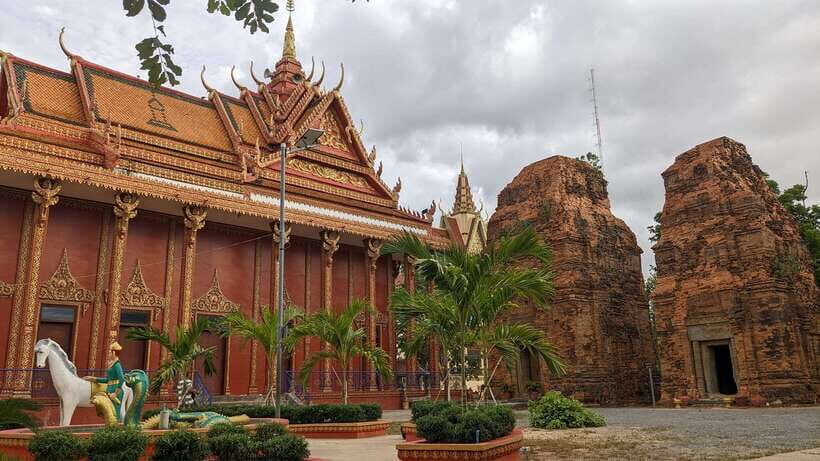
This is one of those day trips where the geography helps you. You start in Phnom Penh, then head out to a cluster of temples and shrine sites that make sense together: hilltop origins, jungle-styled ruins, a legend-soaked temple, then a big ceremonial climb at Phnom Chisor.
I like that you’re not just “temple hopping.” You’re also getting a sense of how Khmer sacred spaces were designed—where they were placed, what symbols mattered, and how worship changed as capitals shifted across centuries. With a private guide (and English-speaking support), you can keep the storyline straight instead of getting lost in pretty stone.
And yes, this kind of day has its physical side. You’ll climb stairs at Phnom Da and deal with the long staircase at Phnom Chisor. It’s not a hardcore trek, but it’s enough that good shoes help.
Other Angkor Wat day trips from Phnom Penh
Phnom Da: the hilltop start with serious Chenla history
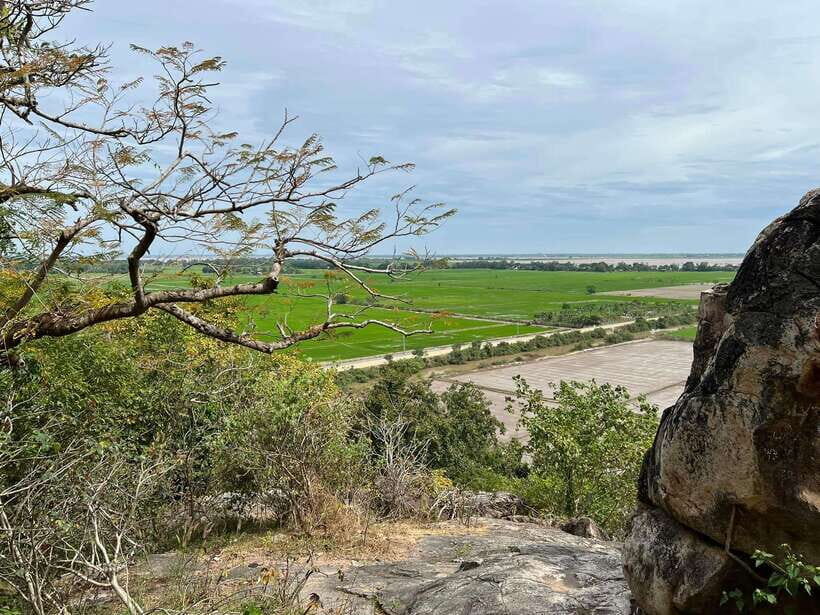
Phnom Da begins with a hill—small, but steep enough to feel symbolic. Expect about 100 steps up to the temple area. The site’s story goes back to the 5th–6th century, tied to King Rutravarman during the Norkor Phnom period.
What I find especially useful is how your guide can connect timelines. This wasn’t a one-location-and-done kingdom. The capital moved later to other regions (including areas linked with Kompong Thom), and over time sacred sites shifted with political power. You’ll see Phnom Da as an older foundation that later generations kept using and building on.
Here are a few details you’ll be glad you didn’t skip:
- You’ll learn there’s evidence of human habitation from at least 400 BCE, even though the current visible temple structure is described as 11th century—standing on an earlier footprint.
- The exterior is well maintained, which makes it easier to notice layout and architectural choices without guessing.
- You’ll hear about caves, including one with a yoni pedestal connected to a missing Shivalingam.
- On the opposite side of the hill sits Asram Maharishi, a venerated shrine tied to memory of a great sage, even though the original deity is no longer there.
Practical tip: if you’re doing photos, take a moment at the top before you start walking deeper. The angle from Phnom Da helps you understand where the temple sits relative to the surroundings.
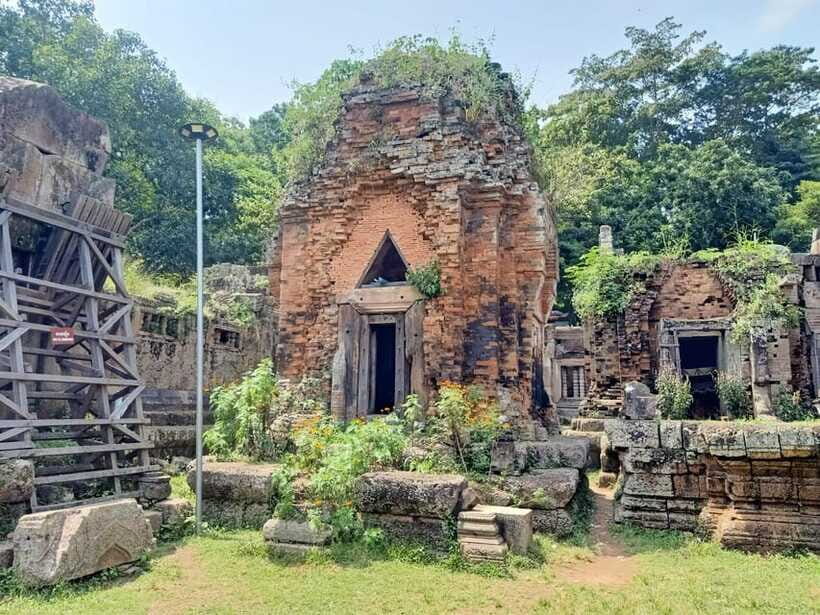
Ta Prohm Bati: five chambers, living architecture, and that famous tree
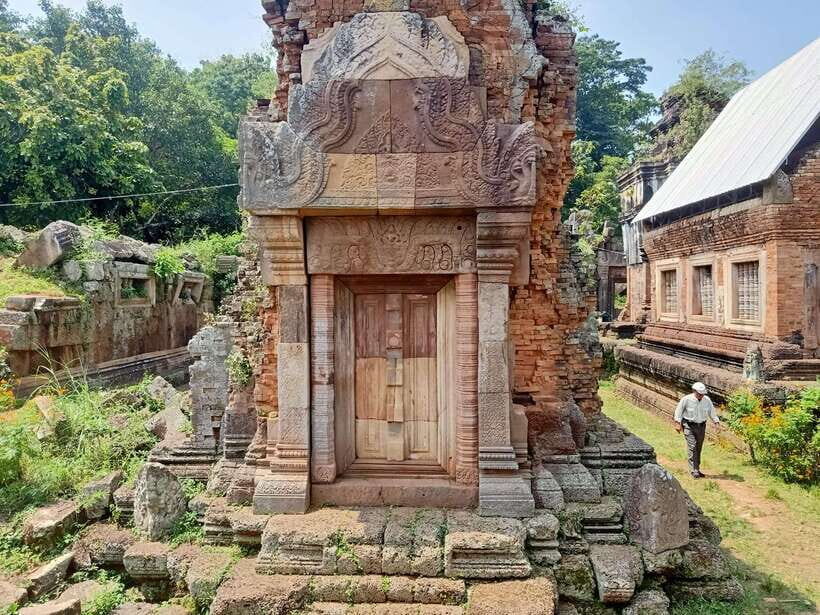
From hilltop history, you move toward the kind of temple imagery people travel for: Ta Prohm Bati (often described alongside Ta Prohm in the region). Built by King Jayavarman VII on the site of an older 6th-century Khmer shrine, it has that classic mix of stone geometry and nature reclaiming the walls.
What you should pay attention to here is the main sanctuary, described as having five chambers, each with a lingam inside. That’s the sort of detail a guide makes worth it—because the structure isn’t random. It’s laid out with spiritual meaning.
Then there’s the tree. You’ll see it growing on and around the temple structure, and it changes how the whole place feels. From a distance it looks like a ruin; up close it looks like something still in motion.
One real-world note from experience: at Ta Prohm Bati, you may encounter beggars. You won’t be surprised by this in Cambodia, but it helps to go in with a clear plan—how you’ll react if someone approaches you for money. You can keep it simple: smile, keep walking, and avoid long back-and-forth.
Yeay Peau / Yeay Pow Temple: a mother-linked legend you can feel in the stones
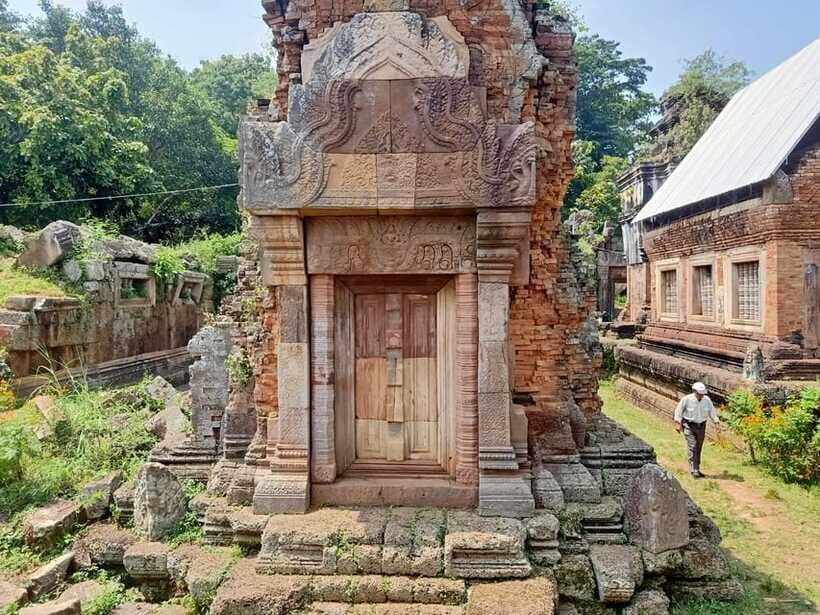
Next comes a temple tied to legend: Yeay Peau (also spelled Yeay Pow in places). The name connects it to King Ta Prohm’s mother, so your guide can frame it as more than a set of walls and carvings.
This stop is a good change of pace. After the strong layout of Ta Prohm Bati, Yeay Peau gives you a more story-forward experience—something you can connect emotionally as you look at the shrine space and the way it’s used as a venerated site.
If you’re the kind of traveler who likes to understand why a temple matters to people now—not only to historians—this is the moment to slow down and listen.
Neang Khmao: the Black Virgin temple stop for atmosphere and symbolism
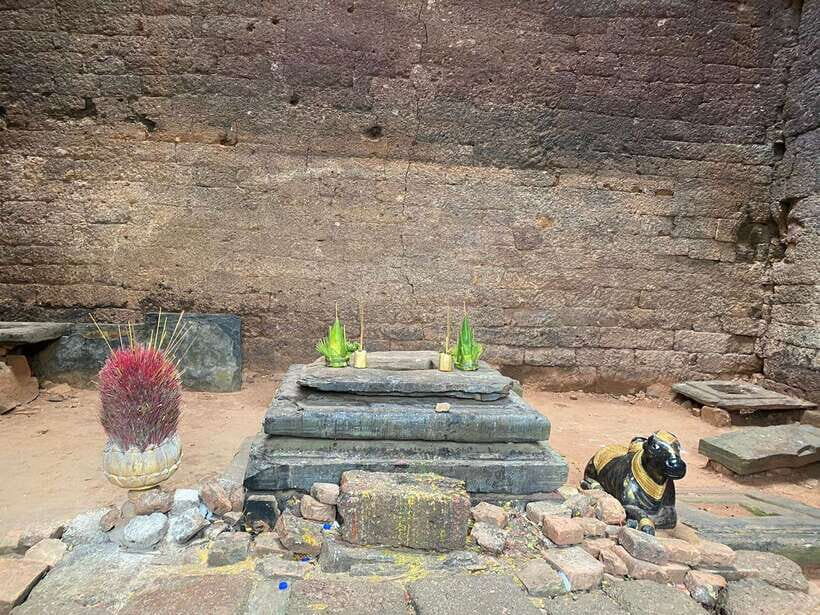
After Yeay Peau, the tour heads to Prasat Neang Khmao, known as the temple of the Black Virgin. Even with limited time here, it’s a powerful name-and-place combination: Neang Khmao gives you that “shrine energy” feeling, where the meaning of the site is tied to legend and ongoing reverence.
Because the scheduled time is shorter, I suggest treating this like an orientation stop:
- Look for the main structures your guide points out.
- Ask one question about the symbolism behind the name.
- Get your photos, then enjoy the atmosphere without rushing.
This is also where a private guide can help you see what you might otherwise miss. Without that context, a short stop can feel like a quick photo break. With it, it becomes a meaningful chapter in the day.
A few more Phnom Penh tours and experiences worth a look




Phnom Chisor: a 50 km hillside temple with a staircase you can’t ignore
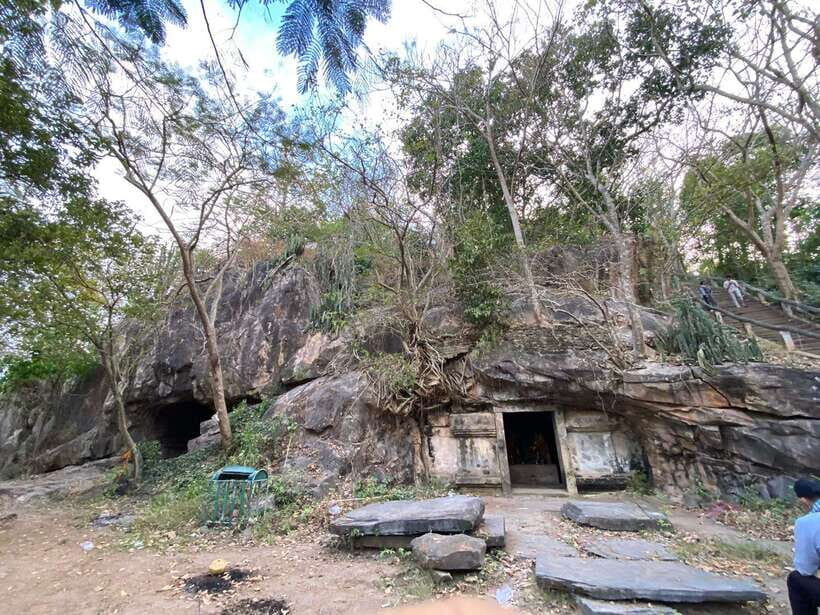
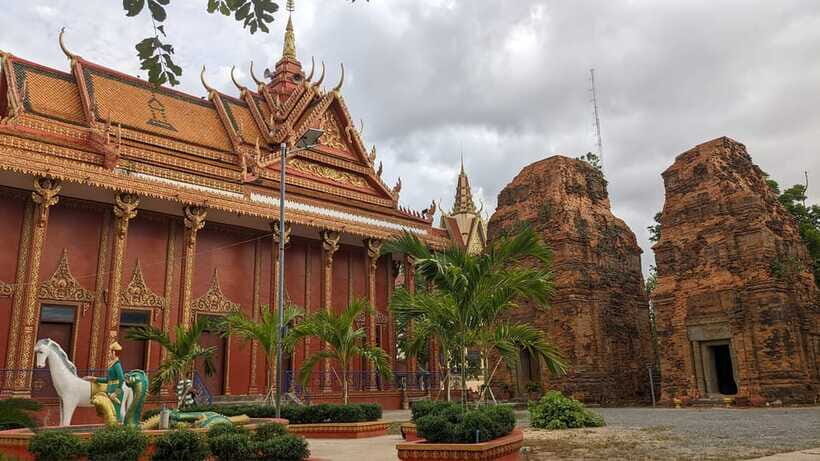
The final major site is Phnom Chisor, located about 50 km south of Phnom. It’s described as both an ancient temple and a contemporary monastery site, which is why it tends to feel alive compared with places that are only ruins.
Phnom Chisor is big in the way that matters: it isn’t just spread out—it’s built to be approached. You’ll notice a hillside setting with a spectacular staircase that leads down to two entrance pavilions on the plains below. The outer pavilion is described as about 700 m away to the east, preceded by an ancient basin.
Here’s why I think this stop is worth giving it the full time:
- The stairway and the staged entrances help you understand how movement was part of the worship experience.
- As a monastery site, it also connects the past to present-day religious life.
If you’re feeling stair fatigue by this point, pace yourself. The views and the architecture are most impressive when you take a breather and look back once or twice.
Transport, comfort, and the value of a licensed guide
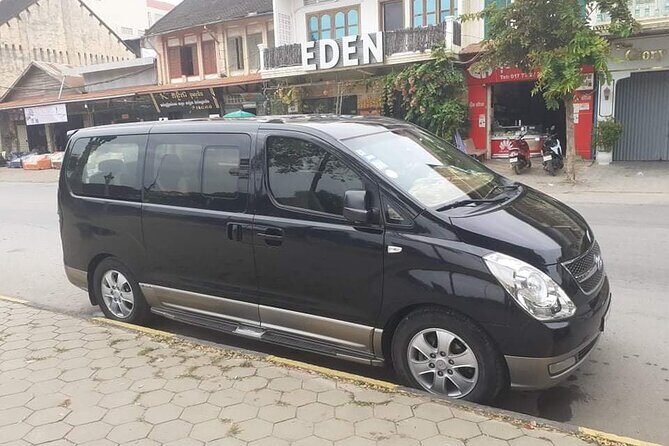
This tour is built around practicality. You’ll get hotel pickup and drop-off in Phnom Penh and travel by a private air-conditioned vehicle with a private licensed driver. The vehicle timing is designed for a full day without hopping from one transport arrangement to another.
You also get support items that make a day trip easier: cold waters and wipes, plus toll roads, parking, and travel insurance. Those details sound boring until you’ve spent a long day in Cambodia heat and realize you’re grateful for the little things.
The strongest value piece, though, is the human one. The tour uses a licensed professional guide. In one case, the guide was named Silong, and the experience was described as both friendly and packed with information. That matches what you want from a temple day: not just facts, but the ability to explain what a symbol means and how different structures fit into the larger Khmer story.
Timing, food reality, and how to avoid a snag
One thing to plan for: meals aren’t included, and there’s no built-in lunch stop. In practical terms, that means you should bring a small snack stash, especially if you get hungry while walking and climbing.
A smart approach:
- Eat before pickup or plan an early breakfast.
- Bring snacks you can eat without stress.
- Stay flexible if the day runs slightly fast or slow based on conditions at the sites.
Another practical note: this is listed as English-speaking and designed for small-group travel, with a cap of six participants. That usually means you can move at a normal pace and still ask questions—without losing your spot.
What this day trip is best for (and who should skip it)
This tour is a great fit if you want:
- A temple-focused day without dealing with complicated transport
- A guide who can explain Khmer religious symbols and historical context
- A mix of hilltop, jungle-altered ruins, and a grand staircase approach at Phnom Chisor
- A private experience with a small group setting
It might not be the best choice if you:
- Hate stairs or long walking segments
- Expect lunch to be included and don’t want to carry snacks
- Prefer completely unstructured time with no guided storytelling
Booking verdict: should you choose this one-day Khmer circuit?
I’d book this tour if you want four Khmer sites in one day with private transport, a licensed English-speaking guide, and enough context to make the stones feel meaningful. The value isn’t just that it’s organized—it’s that the route has a clear sequence: hilltop origins (Phnom Da), tree-and-sanctuary structure (Ta Prohm Bati), a legend-linked shrine (Yeay Peau), a symbolic name (Neang Khmao), and then the big ceremonial approach (Phnom Chisor).
Before you go, do two small things: pack snacks and budget for temple tickets. If you handle those, the day stays smooth.
FAQ
FAQ
How long is this Phnom Penh day trip?
The tour runs for one day.
What temples and sites are included?
You’ll visit Phnom Da, Ta Prohm Bati, Neang Khmao, Yeay Peau (Yeay Pow), and Phnom Chisor.
Is the tour private, and how many people are in the group?
It’s a private tour for your group only, and the small group size is limited to a maximum of 6 participants.
What’s included in the price?
Included are private air-conditioned transport, a private licensed driver, a licensed professional English guide, toll roads, parking, travel insurance, and cold waters and wipes, plus hotel pickup and drop-off.
Are meals or temple tickets included?
Meals are not included, and temple tickets are not included.
Do I need to buy temple tickets at each site?
Temple tickets are not included in the tour price, so you’ll need to plan for them separately. The tour does include skip-the-line access through a separate entrance.
If you want, tell me what month you’re going and your walking comfort level (stairs yes/no). I can suggest a simple packing list and a smart photo timing plan for this exact route.