REVIEW · PHNOM PENH
Prasith and Reap Temples Private Day Trip from Phnom Penh
Book on Viator →Operated by Green Cultural Travel · Bookable on Viator
Two temples in one day feels like a reset button. This private trip blends hilltop Phnom Prasith with Phnom Reap’s Angkor-style design, finished in 1998, and tops it off with local pilgrimages at working monasteries. I especially like the private guide pace, so you do not waste time waiting on other people, and I also love that the ride can be done by tuk tuk, with a market-route moment as a highlight. A possible drawback: this is a quieter, more local kind of day, so if you want the huge spectacle of Siem Reap, you may miss that scale.
The best part is how the day mixes old Khmer symbolism with today’s devotion. You get viewpoints from Phnom Prasith, a lunch stop in the countryside at a traditional Khmer restaurant, then the Buddhist centre at Putmondul with a reclining Buddha and offerings for good luck. By the time you reach Phnom Reap (also called Prasat Vihear Suor), you’re seeing why people here treat these temples like living places, not just photo backdrops.
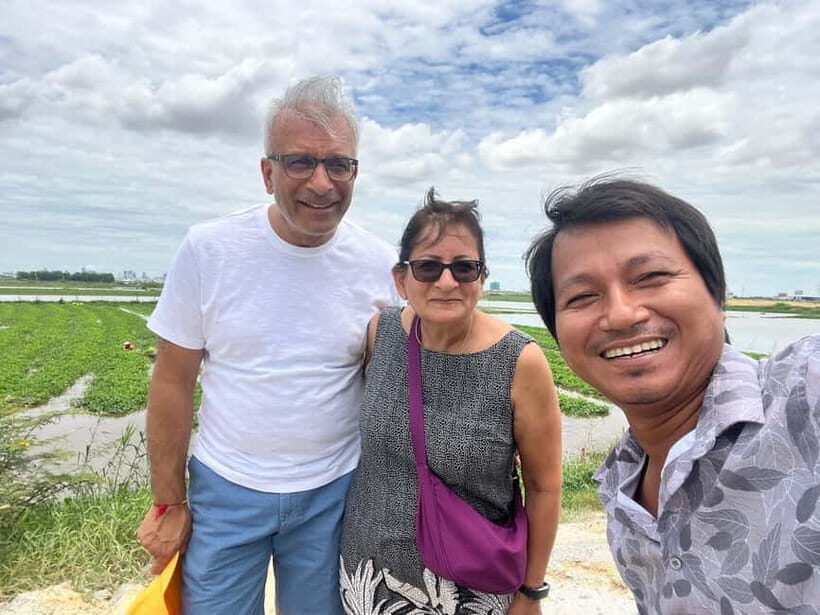
Guides matter on this one. In the feedback I saw, Li stood out for being warm and sharing Cambodia history without pushing, and Seung was praised for showing up on time and communicating with excellent English.
In This Review
- Key things to know before you go
- Phnom Penh’s quieter temple day: Phnom Prasith to Phnom Reap
- Price and logistics: what your $117.44 actually buys
- The 90-minute ride out of Phnom Penh: tuk tuk or car
- Phnom Prasith Temple: hilltop views and real monk life
- Lunch in the shade: a traditional Khmer meal pause
- Putmondul Buddhist centre: reclining Buddha and good-luck offerings
- Phnom Reap (Prasat Vihear Suor): the New Angkor Wat temple
- Private pacing and guides like Li and Seung
- Timing, comfort, and what to expect in an 8-hour day
- Who should book this trip?
- Should you book the Prasith and Reap private day trip?
- FAQ
- What’s included in the Prasith and Reap day trip?
- How long is the day trip?
- Do I get hotel pickup?
- Can I choose between a tuk tuk and a car?
- Which temples and religious sites are visited?
- What makes Phnom Reap Temple special?
- Is lunch included?
- Are donations included?
- Is this tour private?
- What cancellation options do I have?
Key things to know before you go
- Phnom Prasith’s hilltop views: a real monastery feel, not just a ruin stop
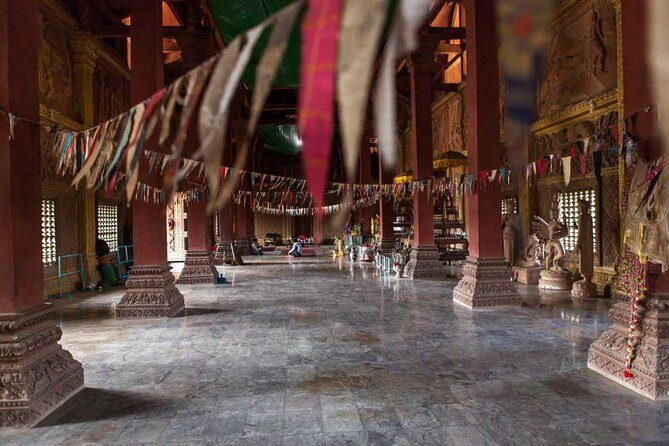
- Putmondul’s active worship: monks and nuns plus locals making good-luck offerings
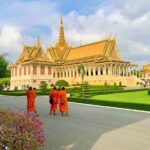
- Phnom Reap’s New Angkor Wat concept: finished in 1998, modeled on Angkor Wat style
- Private timing: you do not wait around for other travellers
- Tuk tuk option: the ride can be part of the fun, especially through the market areas
- Full day comfort included: bottled water, lunch, and coffee/tea are part of the package
Phnom Penh’s quieter temple day: Phnom Prasith to Phnom Reap
Most people fly into Phnom Penh, grab a couple of essentials, and then point their compass toward Siem Reap. This tour flips that script in a smart way. You still get temple architecture inspired by the Khmer world, but you do it at a slower tempo, with fewer crowds and more chances to notice what’s happening around you.
What makes this trip feel different is that it’s not just about structures. You’re visiting places where monks live and go about daily routines, where people come to ask for blessings, and where the spiritual rhythm is still part of everyday life. That’s a big reason it feels meaningful even if you already know Cambodia’s big temple names.
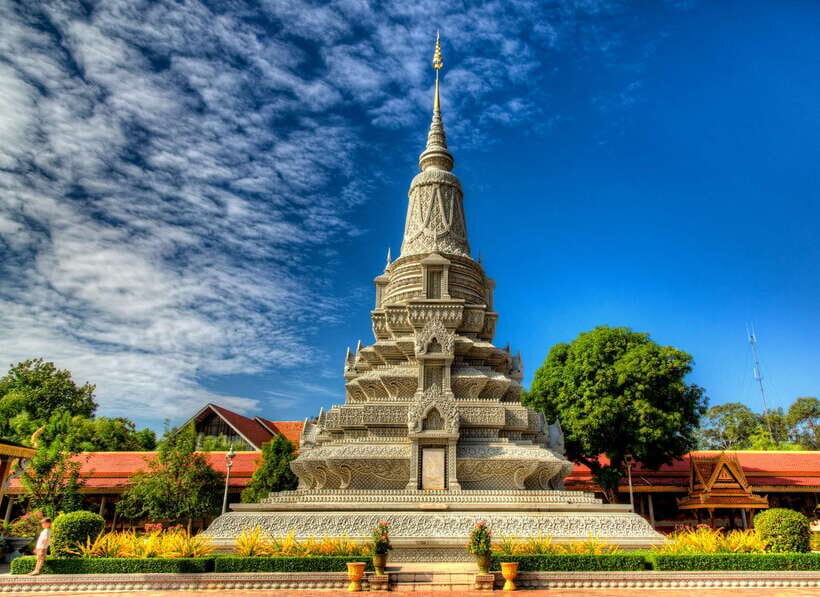
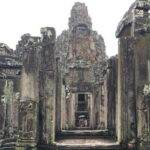
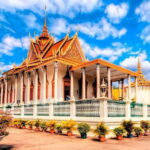
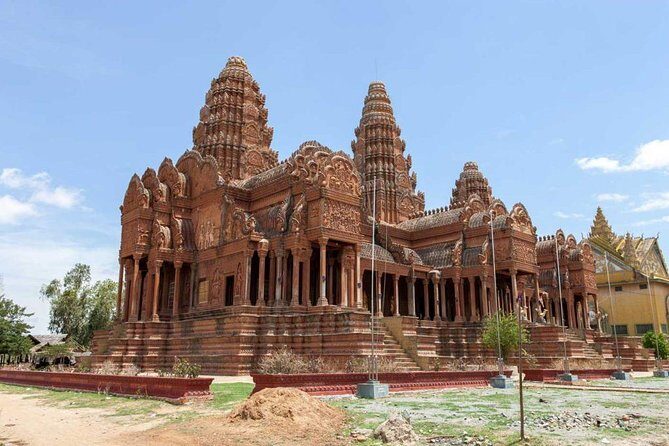
And yes, Phnom Reap has the Angkor comparison built into the story. It’s a relatively new temple, completed in 1998, designed in an architectural style modeled on Angkor Wat. Locals call it the New Angkor Wat, and you can see why from the layout and sculptural emphasis when you’re there.
Other private tours in Phnom Penh

Price and logistics: what your $117.44 actually buys
The listed price is $117.44 per person, for an approximately 8-hour private day trip from Phnom Penh. On paper, that can look steep—until you look at what’s included.
You get:
- hotel pickup
- private transport (tuk tuk or car, your choice) plus driver
- a private guide
- bottled water
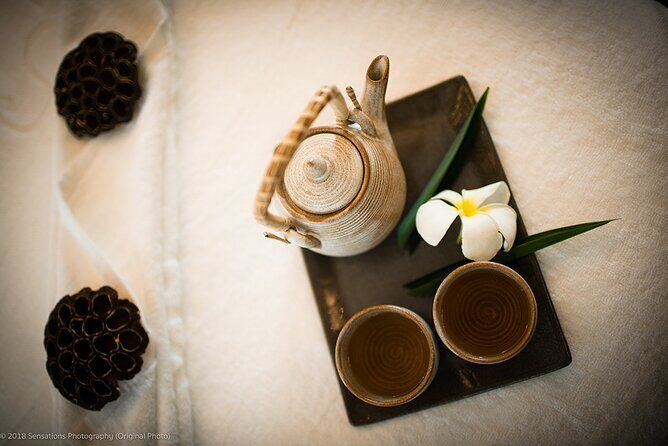
- a morning tea snack
- lunch at a traditional Khmer restaurant
- coffee and/or tea
That mix is key for value. A private day trip is expensive mainly because you’re paying for a driver, time, and interpretation. Here, you’re also getting meals and drinks handled, so you’re not hunting for lunch spots or budgeting for extra stops during the day.
There are also group discounts available, which can make the total feel more reasonable if you’re traveling with friends or family. If you’re going solo or as a couple, the private setup is still the point, because it keeps the day flexible and calmer than group tours.
One more practical note: donations are not included. If you want to offer something at the temples or Buddhist centre, you’ll need to handle that separately.
The 90-minute ride out of Phnom Penh: tuk tuk or car
After pickup, you’ll travel about 90 minutes to Phnom Prasith Temple. You can choose between a tuk tuk or a car, and that choice affects the feel of the day more than you might expect. Tuk tuk tends to be slower and more exposed to the day’s sights—sounds, street activity, and that in-between rural texture that disappears fast when you’re in a sealed car.
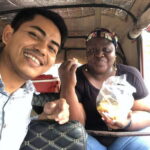
One thing that came up strongly in the feedback: the tuk tuk ride through the market areas is a highlight. That’s not just transportation; it’s an easy way to shift your mindset from city logistics to temple time.
You’ll also get a local snack during the morning tea. This matters because you’re about to be on your feet and climbing toward a hilltop temple. Small break + fuel = less grumpy energy when you’re standing in warm conditions and looking for the next photo angle.
Phnom Prasith Temple: hilltop views and real monk life
Phnom Prasith sits high on the eastern summit of twin hills. The main payoff is the views over the surrounding countryside, paired with the sense that this is a living religious site.
The temple itself is an ancient structure, and it has a community of monks who carry on with daily activities while visitors come through. When a place has working monks, the experience becomes less about reading signs and more about noticing daily patterns—how people move through the space, how worship happens, and how visitors respectfully watch or wait for opportunities to receive blessings.
Because it’s a hilltop, plan for moderate walking and uneven ground. The tour is listed for moderate physical fitness, which is a polite way of saying you should be comfortable with some uphill effort. If you prefer fully flat sightseeing, you might feel the climb.
What I like about this stop is that it sets the tone for the entire day. Before you see the New Angkor Wat idea at Phnom Reap, you get the older rhythm: monks, pilgrimage, views, and a slower pace where you’re not rushing from one photo spot to another.
Lunch in the shade: a traditional Khmer meal pause
After exploring Phnom Prasith, you’ll return to the base of the hill. Then you head to lunch at a traditional Khmer restaurant set in a shady location with views over the rural landscape.
This midday stop is more than a break. It’s part of why the day feels human-sized. You’re not stuck in a car the whole time, and you’re not eating a rushed meal in a generic tourist spot. The setting is specifically chosen to help you slow down, look out, and reset.
Also, lunch is included, so you don’t have to make a decision under pressure. That’s a small thing, but it makes a big difference when you’ve got multiple stops to fit into about 8 hours total.
If you’re the type who likes to take time before eating—people-watching, journaling, or just catching your breath—this is the spot to do it. Plan to enjoy the pause rather than treating it like a fuel stop.
A few more Phnom Penh tours and experiences worth a look



Putmondul Buddhist centre: reclining Buddha and good-luck offerings
Next comes a short drive to Putmondul, a Buddhist centre known for its spiritual activity. This is where the day leans even more “local” in a good way.
You’ll see monks and nuns, plus many locals who come seeking good luck through offerings. That means the centre is not just decorative—it’s a working place of devotion, where people show up with intentions and rituals that make sense in their daily lives.
A big highlight here is the reclining Buddha, which is a striking visual focus. You’ll also find fine paintings depicting the history of Buddhism. Even if you don’t study the details, paintings give you a framework for what you’re seeing in the room: how belief gets passed down, how stories are told through images, and why people come to reaffirm their faith.
What to keep in mind: this stop can feel more interactive than you expect. You may see people pause to pray, place offerings, or speak with religious staff. A private guide helps because you can ask what’s happening without interrupting the flow or guessing.
Phnom Reap (Prasat Vihear Suor): the New Angkor Wat temple
Then you reach Phnom Reap, also known as Prasat Vihear Suor. This is the “new Angkor Wat” concept in full view—relatively new (finished in 1998), and modeled on Angkor Wat’s architectural style.
When you arrive, you’re not just looking at a pretty building. The temple is filled with sculptures of ancient kings and Buddha figures. That blend of royal imagery and Buddhist symbolism is part of why it feels connected to the Angkor idea, even though it’s modern compared with the classic sites.
You’ll also see many locals who traveled here to seek a blessing from Buddhist monks. This is one of those moments where the temple stops being a sightseeing stop and becomes a pilgrimage stop. People come, they participate, they wait, and they leave with something more personal than a photo.
If you’re visiting Cambodia mainly through the Angkor lens, Phnom Reap offers an interesting counterpoint: it shows how Khmer-inspired architecture continues to influence devotion today. It’s not pretending to be an ancient ruin. It’s using a familiar visual language to support living faith.
Private pacing and guides like Li and Seung
A private guide changes everything on a tour like this. You’re not waiting for other people to finish climbing, buying water, or asking questions. Your guide can adjust the pace based on how long you want to look at sculptures, how long people are spending in prayer, and how much time you want at viewpoints.
In the feedback, Li was singled out for being great and warm, with strong Cambodia history explanations that felt thoughtful rather than pushy. Seung was praised for being on time and providing excellent English.
Those details matter because language quality affects how much you get out of the temples. If you know what you’re looking at—why the style is Angkor-inspired, what sculptures mean, how monasteries function—you stop treating the stops like a checklist.
Practical tip: keep a small question list in your head for each site. Ask about what’s going on around you at Putmondul. Ask about the symbolism you see at Phnom Reap. A good guide will naturally connect the dots for you.
Timing, comfort, and what to expect in an 8-hour day
This is an approximately 8-hour plan, starting with hotel pickup and ending back in Phnom Penh. The day is built around travel time plus three main spiritual stops: Phnom Prasith, Putmondul, and Phnom Reap. Expect some waiting at the temples, but it’s the good kind—time to observe, step back, and let the place settle in.
Comfort-wise, the main physical demand is reaching hill areas at Phnom Prasith. The rest is more walking inside and around temple grounds. Because it’s labeled for moderate physical fitness, go into it with reasonable expectations: wear comfortable shoes and pace yourself.
Weather matters too. Cambodia can get hot, and temples mean you’ll spend time standing and looking out. Bottled water is included, which helps you stay comfortable without buying drinks repeatedly throughout the day.
One more note on flexibility: free cancellation is offered if you cancel up to 24 hours in advance, so you can lock in your plans without feeling trapped if your other Phnom Penh schedule shifts.
Who should book this trip?
Book it if:
- you want temples from Phnom Penh that feel quieter than the big Angkor rush
- you like learning what’s happening in active religious sites, not just photographing structures
- you want a private guide and private transport so your day feels calm and controlled
- you’re curious about how Angkor-style ideas live on in modern Cambodian temple building
Skip it if:
- you’re only interested in the most famous ancient ruins and want the scale of Siem Reap
- you hate any physical walking, especially uphill at hilltop temples
- you’re seeking a party vibe or lots of shopping stops, because this day is primarily about worship spaces and local pilgrimages
Should you book the Prasith and Reap private day trip?
If you’re balancing Phnom Penh with temple time and you want something more personal than the crowded circuits, I think this is an excellent choice. The value is strongest when you look at the full package: private transport, a private guide, meals, and temple-focused stops that are still part of daily devotion.
The biggest reason to say yes is simple: this day doesn’t treat temples like museums. It treats them like places with people, monks, and pilgrims. That gives you a different kind of Cambodia memory than the one most visitors come home with.
If you’re in doubt, decide based on your style. Want quiet, local, and spiritually active sites with Angkor influence? Book it. Want big crowds and classic ancient ruins only? You may be happier elsewhere.
FAQ
What’s included in the Prasith and Reap day trip?
The tour includes hotel pickup, a private guide, private transport (tuk tuk or car) with a driver, bottled water, a morning tea snack, lunch, and coffee and/or tea.
How long is the day trip?
It runs for about 8 hours.
Do I get hotel pickup?
Yes, hotel pickup is included.
Can I choose between a tuk tuk and a car?
Yes. You can choose the option of a tuk tuk or a car for the journey.
Which temples and religious sites are visited?
You’ll visit Phnom Prasith Temple, a Buddhist centre known as Putmondul, and Phnom Reap Temple (also known as Prasat Vihear Suor).
What makes Phnom Reap Temple special?
Phnom Reap is a relatively new temple finished in 1998, modeled on Angkor Wat architectural style, and it’s often referred to as the New Angkor Wat.
Is lunch included?
Yes, lunch is included at a traditional Khmer restaurant.
Are donations included?
No. Donations are not included.
Is this tour private?
Yes. It’s a private tour/activity, with only your group participating.
What cancellation options do I have?
Free cancellation is available up to 24 hours in advance for a full refund.