REVIEW · PHNOM PENH
Phnom Penh Tours and Mekong River cruise
Book on Viator →Operated by Bayon Tabi Tour · Bookable on Viator
Phnom Penh packs a lot into one day. The biggest draw here is how this route braids icons of Cambodia with the places that explain its darkest chapter. You get guided time where it matters most, then breathing room where you can simply look and absorb.
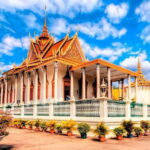
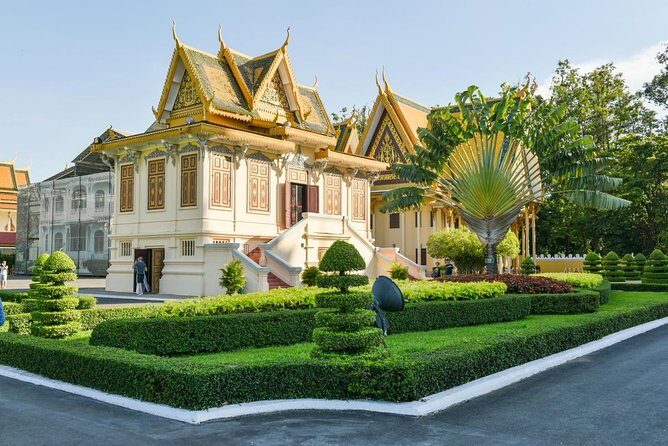
I love the way the morning grounds you in Phnom Penh’s public face—Royal Palace and the Silver Pagoda area—before moving to the National Museum. You also get a comfortable, air-conditioned van or bus plus hotel pickup and drop-off, which keeps the day from feeling like a sweaty scavenger hunt.
One caution: a day like this is emotionally heavy. You’ll visit the Choeung Ek Killing Fields after Toul Sleng Genocide Museum, so plan your energy, take breaks when you need them, and expect the last half to feel different from the first.
In This Review
- Quick hits to know before you go
- Royal Palace and Silver Pagoda: where Cambodia’s symbols make sense
- National Museum: the clearest bridge between art and history
- Toul Sleng Genocide Museum (S-21): when explanation matters
- Choeung Ek Killing Fields: the hour with audio support
- Wat Phnom after the heavy stuff: a breather with a view
- Mekong sunset cruise: gentle water, time to regroup
- What makes the day feel comfortable: transport, timing, and pacing
- Price and value: is $186.88 worth it for this route?
- Guides and language: how the experience stays understandable
- Who should book this Phnom Penh day tour?
- Should you book this Royal Palace to Mekong cruise tour?
- FAQ
- How long is the Phnom Penh and Mekong River cruise experience?
- Does the tour include hotel pickup and drop-off?
- What language guides are available?
- Is lunch included?
- Is the Mekong River cruise included, and how long is it?
- Is there free cancellation?
Quick hits to know before you go
- Hotel pickup, air-con vehicle, and lunch included so your day runs on rails
- Royal Palace guidance in person helps you understand what you’re seeing fast
- Audio at the Killing Fields supports the visit when words in a group can feel too much
- Wat Phnom and the Mekong cruise add lighter contrast after the tougher stops
- Guides Lay or Senh are mentioned for standout English and clear pacing (ask the company if you want that style)
Royal Palace and Silver Pagoda: where Cambodia’s symbols make sense
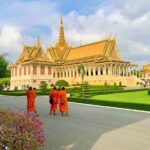
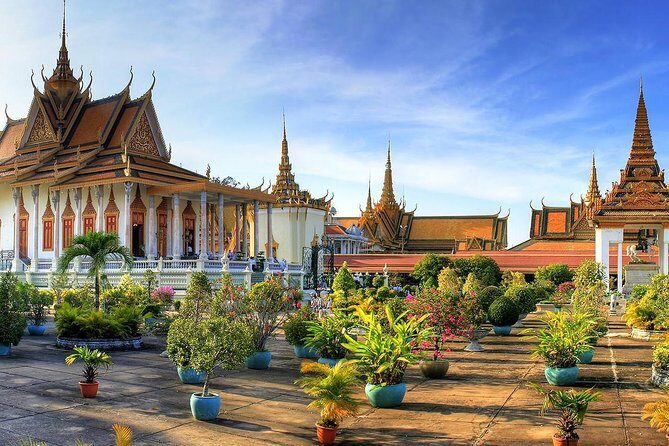
The day starts with the Royal Palace area, and it’s a strong first move. You’re there early enough that the place feels structured, not chaotic. You’ll get an in-person guide who explains what you’re looking at, and that changes everything—Cambodian palace architecture can look like “pretty buildings” until someone connects the dots.
You’ll spend about an hour here with admission included. That time is short, so don’t try to do everything. Instead, treat it like orientation: notice the layout, the ceremonial spaces, and the way the palace functions as a national symbol.
A practical tip: wear shoes you can stand in. Palace surfaces can be slippery in places and you’ll be on your feet for multiple angles of viewing. If you like taking photos, set aside time at a few key spots rather than chasing every corner.
Other Mekong river cruises in Phnom Penh


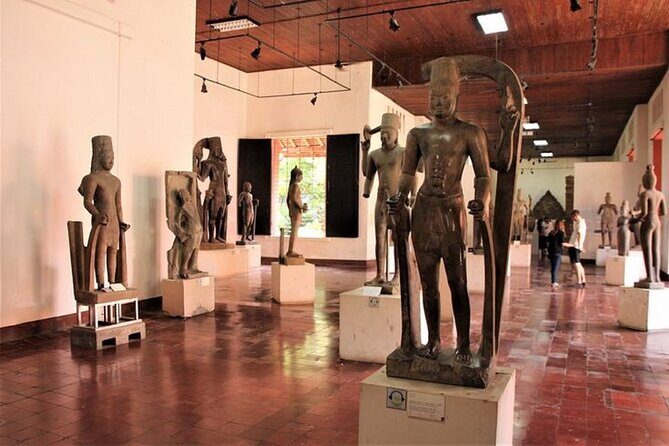
National Museum: the clearest bridge between art and history
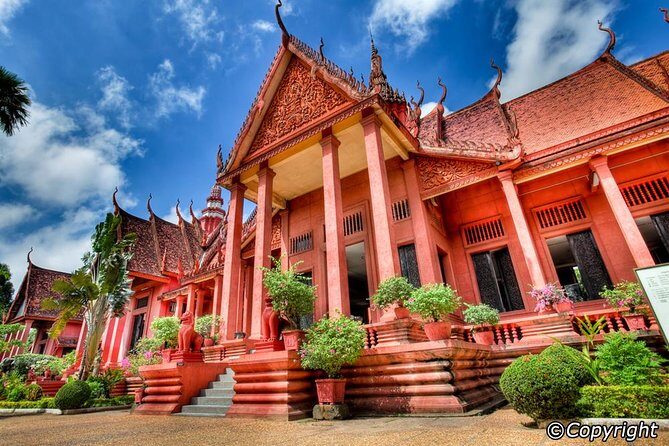
After the palace, the National Museum is a smart second stop. The museum helps you move from symbols to context—how Khmer art developed and why it looks the way it does. Your time here is about an hour, with admission included, and the format is more “explain as you go” than constant narration.
This part of the day is valuable because Phnom Penh’s history can feel like separate chapters: royal power, colonial-era shifts, then the horrors of the Khmer Rouge years. The museum gives you a connecting thread that makes later stops hit harder and mean more.
Don’t rush the displays. If you find a section that clicks—sculptures, religious objects, or cultural items—stay with it. An hour passes quickly, but focusing on 2–3 areas makes it feel longer and more rewarding.
Toul Sleng Genocide Museum (S-21): when explanation matters
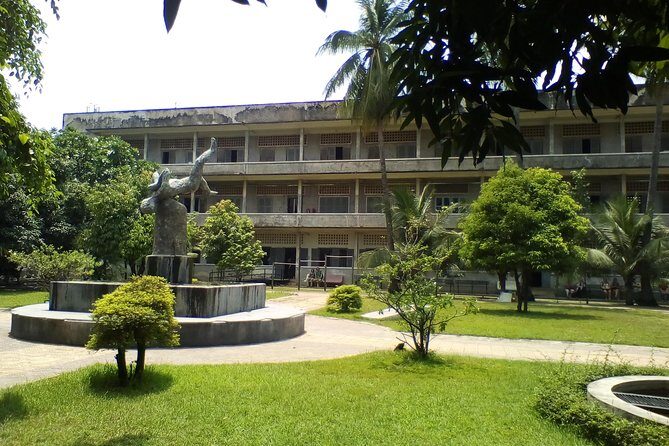
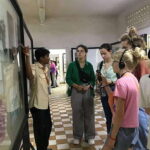
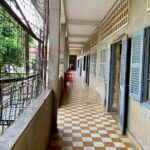
Then you’ll go to Toul Sleng Genocide Museum, the former school turned prison and interrogation facility during the Khmer Rouge period. This stop is not just a walkthrough of artifacts. It’s a guided experience where the point is to understand the system: how victims were processed, held, and questioned.
Even with a tour, you still need a little personal space. Look, then pause. Let the information land before you move on. If your group is moving quickly, it’s okay to slow your own pace for a minute or two.
This museum tends to be one of the hardest parts of the entire trip. The best way to handle it is to stay present and reduce distractions—no frantic photo spree, no speed-walking. It’s also a good idea to keep water handy since you’ll cover multiple places in a long day.
Choeung Ek Killing Fields: the hour with audio support
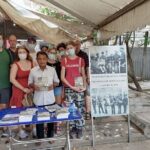
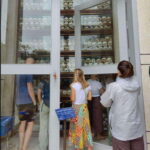
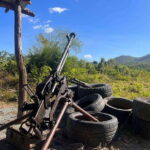
Next comes Choeung Ek Genocidal Center, commonly called the Killing Fields. This is the stop people remember most clearly, and for good reason. It’s also where you’ll want the most support.
Here, the experience includes audio explanation. That matters because audio can help you process the site at your own rhythm. You’re not locked into a group’s pace, and you can step back or pause when your brain needs a breather.
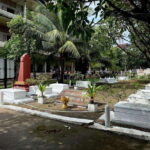
Plan for about an hour at Choeung Ek, with admission included. You’ll walk on pathways around memorial structures and grounds that carry intense meaning. Even if you’ve read about the Khmer Rouge, the physical layout and scale hit differently in person.
Small but important: bring a calm mindset. This is not the kind of place where you can “do it fast” and feel okay. If you’re traveling with someone sensitive to tragedy, check in before you enter the main areas and agree that stopping is allowed.
Wat Phnom after the heavy stuff: a breather with a view
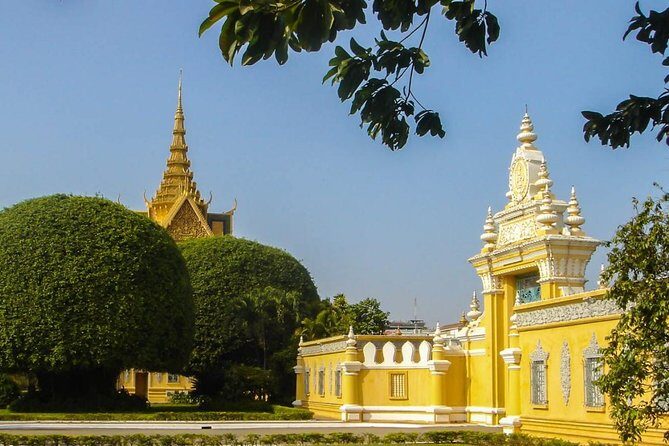
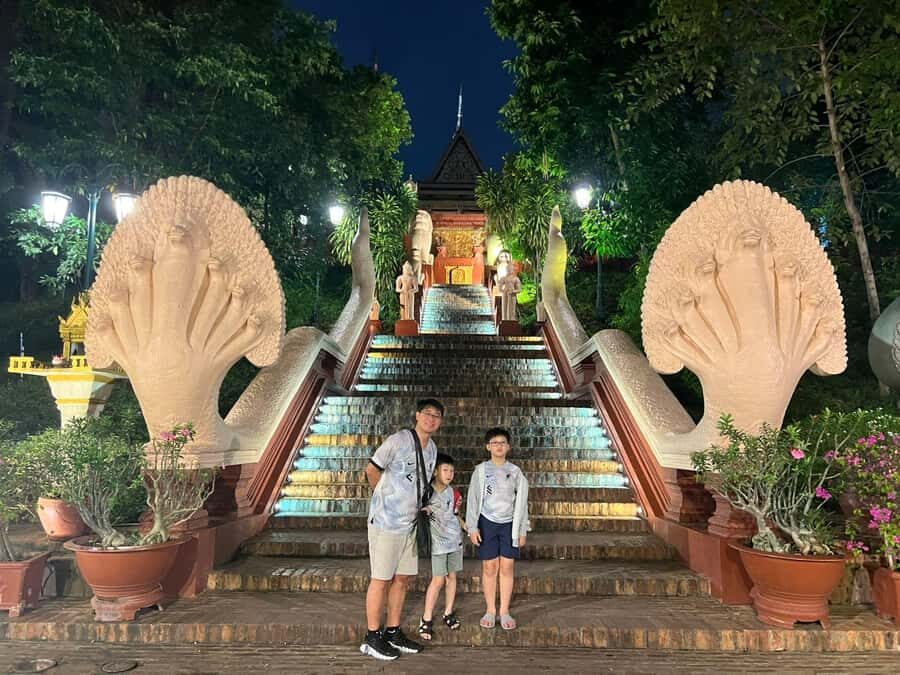
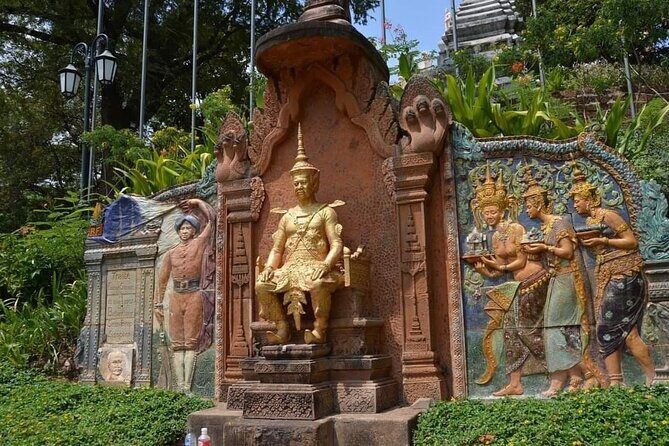
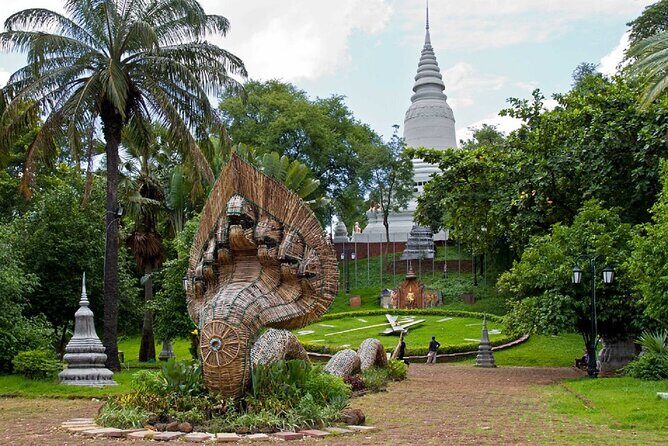
After the difficult stops, Wat Phnom is a welcome shift. You’ll head to Wat Phnom Hill in the middle of Phnom Penh city for about 45 minutes. Admission is included, and this part is described as without a guide—meaning you’ll rely more on your own wandering and whatever signage or general orientation you pick up.
This is a good time to reset your body. The temple grounds give you a chance to stand, look out over the city, and just breathe for a moment. Think of it as a palate cleanser: not to erase what you’ve seen, but to help you keep your day from turning into one long, draining push.
Because it’s a shorter stop, use that half hour well. Aim for a few viewpoints and enjoy the hilltop energy. If your legs are tired, take it slow on the climb and choose where you want to spend most of your time.
Other boat tours in Phnom Penh

Mekong sunset cruise: gentle water, time to regroup
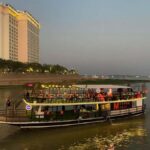
To close the day, you’ll take a Mekong River cruise at a gentle pace. The cruising time is about 1 hour, and the broader window can run from 5:00pm to 9:30pm depending on scheduling. This timing is excellent in Cambodia because daylight softens as the evening comes on.
This is a “without tours guide” portion, so treat it as your decompression phase. The boat is included, and mineral water plus lunch earlier in the day help you keep steady until the cruise.
If you want dinner, you can order food on the boat and pay your own account. That’s handy if your appetite is back after the afternoon. If you’re still feeling heavy from the museums, you might just do dessert or a light snack and save your full appetite for tomorrow.
Practical note: it’s still the river, so dress comfortably. Even if the air feels fine, you’ll be sitting for a while. A light layer can help if you get a cool breeze.
What makes the day feel comfortable: transport, timing, and pacing
The tour runs about 8 hours, and the included air-conditioned vehicle is a big deal in Phnom Penh. Heat can turn a history-focused day into a grumpy day. With a van or bus doing the driving, you keep your energy for the sites.
Hotel pickup and drop-off also reduce friction. Instead of coordinating your own rides between spots that can be spread out, you start and end from the same convenience point. That’s especially helpful when you’re also packing emotions into the itinerary.
You also get mineral water, plus lunch (a local lunch is included). I appreciate that because it means you’re not hunting for food between intense stops. Your day stays functional instead of turning into logistics first and culture second.
One more thing: this is described as a private tour/activity, meaning only your group participates. That doesn’t automatically make it slower, but it often makes it easier to manage comfort stops and pacing.
Price and value: is $186.88 worth it for this route?
At $186.88 per person, this tour isn’t the cheapest way to see Phnom Penh. It does cost more than DIY transit and individual tickets. But value isn’t just price—it’s what you get without the mental workload.
Here’s what’s included that helps justify the cost on a practical level:
- English or Japanese guide, plus an in-person guide at the Royal Palace
- Air-conditioned van or bus
- Hotel pickup and drop-off
- Mineral water and lunch
- Entrance fees
- Mekong cruise boat fee (about 1 hour)
If you tried to replicate the day yourself, you’d spend time coordinating guides (or guessing at what you’re looking at), booking tickets, and managing transport between the palace, museum, prisons, hilltop temple, and river. Even if you save a little money, you’d likely pay it back in stress.
That said, there’s one consideration: not every day feels smooth emotionally. A long, structured tour can make a heavy memorial site feel even heavier. If you prefer a slower pace or longer time in fewer places, you might want a more flexible alternative. If you like the full “overview plus context” approach, the price starts making sense.
Also, confirm details at booking about admissions. One past guest flagged confusion in the way information was presented, even though the tour details here list entrance fees as included. A quick confirmation message can save frustration.
Guides and language: how the experience stays understandable
Language support matters a lot on a day with both palace symbolism and prison-history details. This tour offers an English guide or a Japanese guide, depending on your selection.
The Royal Palace includes an in-person guide who explains what you’re seeing. That is the best place to have real-time context because it helps you interpret the design and ceremonial spaces right away.
At Choeung Ek, audio explanation is included, which can be a relief. Some people process better with audio than with group pacing. It also lets you pause without feeling like you’re holding everyone up.
In the guide performance department, the names Lay and Senh come up in positive comments. Lay is praised for excellent guiding, and Senh is described as speaking very good English while explaining Cambodian history clearly. Even if you don’t get the same guide, this is a sign of the kind of communication style the company aims for.
Who should book this Phnom Penh day tour?
This tour is a strong fit if you’re in Phnom Penh for a short time and want a clear route through the most important sites. It’s also ideal for first-time visitors who want a structured overview: palace and museum in the morning, then the S-21 and Killing Fields memorial sites, and finally a softer close at Wat Phnom and the Mekong.
You’ll likely enjoy it if you like guided context and don’t want to spend your day jumping between transportation options. And if your group wants a private format, the setup works well.
It might be less ideal if you want a light sightseeing day. The memorial stops are unavoidable, and the emotional weight is real. If you know you get overwhelmed easily, consider choosing earlier in the day, adding quiet breaks, or taking a day with fewer intense stops.
Should you book this Royal Palace to Mekong cruise tour?
If you want a single, well-structured day that shows Phnom Penh’s contrasts—glory and suffering in one arc—this tour is a solid choice. The included transport, lunch, admissions, and cruise fee make it feel like a complete package rather than a ticket bundle.
I’d book it if you’re comfortable handling difficult history and you want the convenience of guided context where it counts most. I’d think twice if you prefer slower, less scheduled days or if memorial sites are something you want to experience with more time on your own terms.
FAQ
How long is the Phnom Penh and Mekong River cruise experience?
The experience runs about 8 hours.
Does the tour include hotel pickup and drop-off?
Yes, pickup and drop-off are included.
What language guides are available?
The tour includes an English guide or a Japanese guide.
Is lunch included?
Yes, lunch is included as a local lunch.
Is the Mekong River cruise included, and how long is it?
Yes. The cruise includes about 1 hour on the water, with a general timing window of 5:00pm to 9:30pm.
Is there free cancellation?
Yes, you can cancel for a full refund up to 24 hours in advance of the experience start time.