REVIEW · PHNOM PENH
Phnom Penh Kampot Kep Tour “Pepper Farm, Salt Field, Crab Market”
Book on Viator →Operated by Cambodia Tourist Car · Bookable on Viator
Crab, pepper, and countryside temples in one day. This Phnom Penh to Kampot and Kep loop is the kind of Cambodia day trip that mixes food, scenery, and history without making you stare at a screen all afternoon. You’ll get picked up early, ride in an air-conditioned vehicle, and spend time with a guide/driver who keeps things smooth, including Simon, who helped one group feel safe and hydrated throughout. I especially liked Pepper Farm stops and the Crab Market in Kep, because they’re hands-on and real.
I also love how La Plantation turns farming into something you can actually understand: you see how Kampot pepper is grown and produced, not just sold. And the photo stop at Secret Lake (Brateak Krola Lake) gives you a striking, human-scale look at a man-made dam with a heavy past. One consideration: the day is long (about 8 to 10 hours), and getting up close to some sights means you’ll likely be on uneven roads for stretches, so wear comfortable shoes and don’t expect a relaxed pace.
In This Review
- Key things you’ll remember from this Kampot-Kep day trip
- The Phnom Penh to Kampot to Kep road trip (and why it works)
- Iron Bridge and old Kampot sights before the temple road
- Phnom Chhngok Cave Temple: a worthy stop with a real road cost
- Brateak Krola Lake (Secret Lake): the dam behind the photos
- La Plantation Kampot pepper: social farming you can actually picture
- Salt fields in dry season: the stop that depends on timing
- Kep Crab Market and Kep Beach: seafood culture, with bargaining reality
- Price and what’s actually included in the $89
- How long this feels in real life (and what to wear)
- Who should book this Kampot-Kep day trip
- Should you book this Phnom Penh to Kampot and Kep tour?
Key things you’ll remember from this Kampot-Kep day trip
- A full day with pickup: Start time is 7:30am, with an English-speaking driver and A/C transport.
- Pepper farming you can see: The La Plantation visit includes the production side of black, red, and white Kampot pepper.
- Secret Lake photos, with context: It’s a dam called Brateak Krola Lake, built during the Khmer Rouge era with slave labor.
- Salt fields depend on the season: Salt fields run only in the dry season, so plan around timing.
- Kep Crab Market is the highlight for seafood lovers: Watch fishermen bring in catches and bargain with vendors.
- Small group cap: Maximum 12 travelers, which helps keep the flow from feeling chaotic.
The Phnom Penh to Kampot to Kep road trip (and why it works)
This isn’t a “one stop, then back” tour. It’s a route with clear changes of scenery, and that’s what makes it satisfying for a first-time Cambodia visitor (or anyone short on time). You leave Phnom Penh early, then spend the day working your way through Kampot’s river area, the countryside, and finally Kep’s coast.
The transport matters here. You’re in an air-conditioned vehicle, and one of the biggest praises you’ll hear is that the ride felt comfortable and safe, thanks to a driver like Simon. That’s not a small detail when you’re sitting for hours on Cambodian roads. The tour runs about 8 to 10 hours, so you’ll want to treat it like a day trip that replaces a few separate outings.
Price is $89 per person, which is not cheap, but it’s also not just “transport and hope.” Entrance fees and bottled water are included, plus you get an English-speaking driver and an English/French-speaking guide specifically at the pepper farm. Also, the small group size (up to 12) tends to make schedules feel more flexible than big-bus tours.
Other shopping tours in Phnom Penh
Iron Bridge and old Kampot sights before the temple road
After pickup in Phnom Penh, you transfer to Kampot (about 160 km, roughly 3 hours by road). The first taste of Kampot is right near the river: you visit the Iron Bridge, an older structure linked to the French colonial era. Even if you’ve seen plenty of bridges by now, the Iron Bridge is a quick, readable landmark—easy to orient yourself, then move on.
Next comes the older-town feel: you’ll see old buildings, then head toward Phnom Chhngok Cave Temple. This part of the day is short but strategic. It gives you a sense of what Kampot looks like beyond the road, before you get into the more nature-and-countryside segments.
One practical note: Cambodia rural roads can be bumpy. This is one of those days where your comfort depends on how you pack and what you wear. I’d bring a light layer (air-con can be cold in a vehicle) and wear shoes you’re happy to walk in.
Phnom Chhngok Cave Temple: a worthy stop with a real road cost
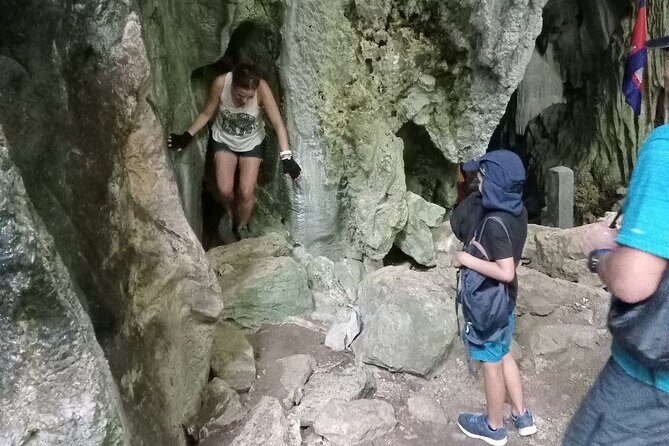
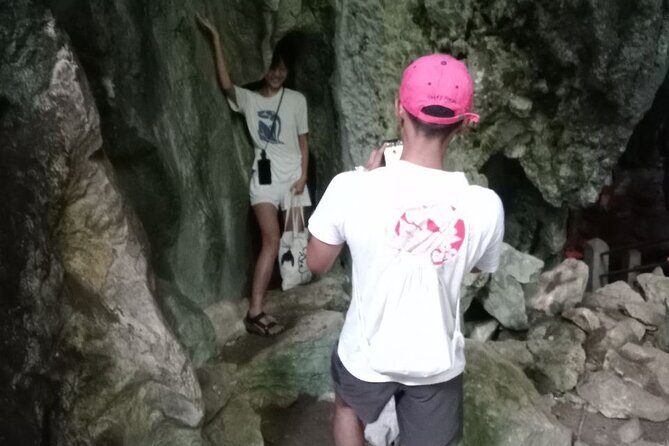
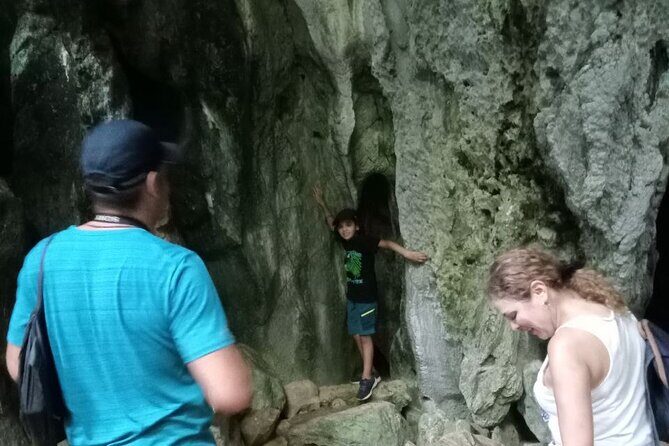
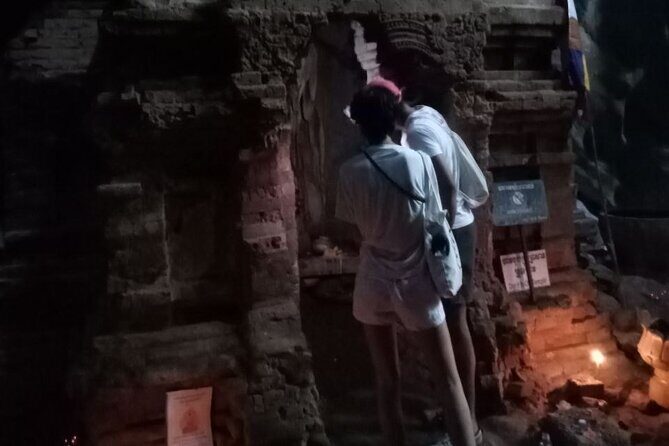
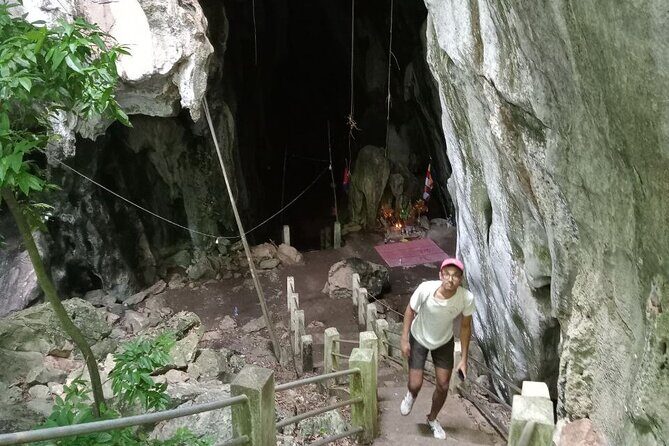
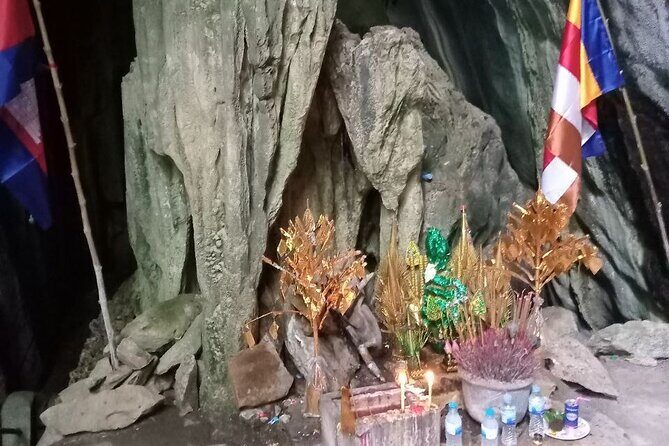
Phnom Chhngok Cave Temple sits off the main route toward Kep. The drive there is part road-and-countryside, part winding dirt road, and that means it can feel tiring. The payoff is the temple experience itself, which is the reason this stop exists in the first place: it’s tied to Cambodia’s long timeline, described as pre-Angkorian in nature.
In a day trip like this, temples can become a checklist item. Here, the distance and the ride make it more than that. You’re not just passing through on a map—you’re going out of your way to reach a specific place, then spending about an hour on site.
What to plan for:
- If you’re sensitive to motion sickness, consider what helps you (some people take it before long rides).
- Expect time that’s not perfectly predictable, because you’re traveling on more than just smooth highway.
Brateak Krola Lake (Secret Lake): the dam behind the photos
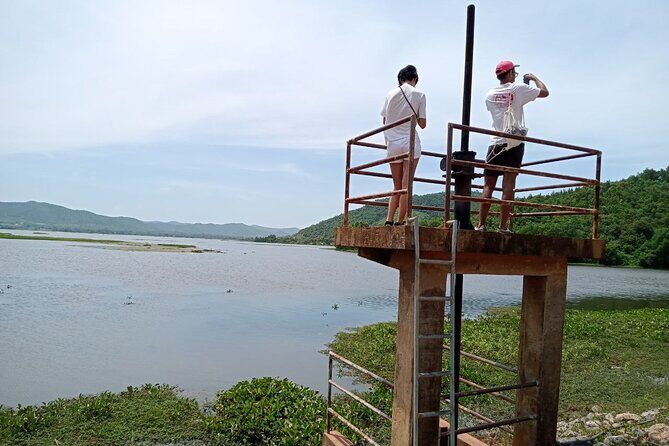
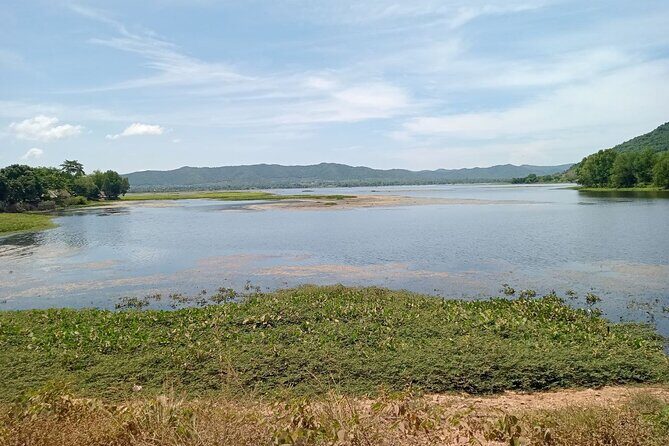
This stop is short—about 15 minutes—but it’s the kind of place that sticks in your memory because it’s not a typical “pretty lake” story. Secret Lake, also known as Brateak Krola Lake, is described as a dam rather than a natural lake.
The background is heavy: during the Khmer Rouge era, a dam was built with slave labor. That matters because it changes how you should look at the view. Even if you’re mainly there for photos, try to keep the context in mind while you shoot. This isn’t just scenery; it’s a reminder that infrastructure and suffering can be connected.
I like keeping this kind of stop in a food-focused day, because it gives balance. Your pepper tasting and seafood lunch-brain gets a moment to slow down and think.
La Plantation Kampot pepper: social farming you can actually picture
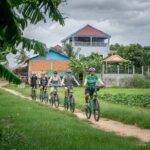
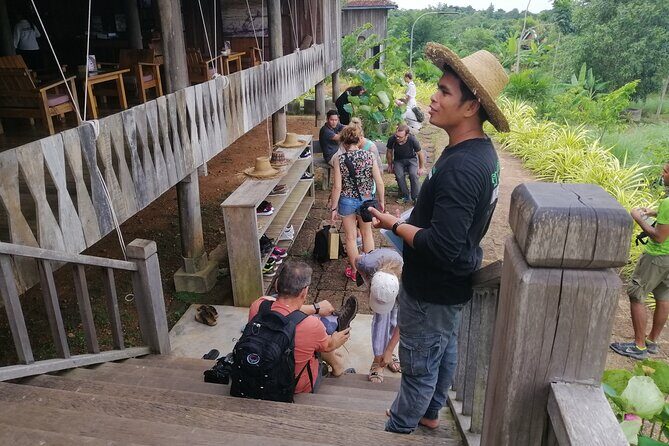
Then you get to the part many people remember most: the pepper farm visit at La Plantation (about 2 hours). This is where the tour becomes hands-on in a meaningful way.
The key idea: La Plantation is described as a social and sustainable family project, mixing traditional farming with modern processing. That means you’re not only looking at rows of crops. You’re also seeing how pepper turns into products—black, red, white Kampot pepper, plus an exclusive “Fresh” pepper product mentioned as part of their range.
Why it’s valuable for you:
- You get a concrete understanding of why Kampot pepper has a reputation. Tasting pepper without context is like tasting wine without knowing how grapes work.
- It’s a real example of how rural projects can be more than extraction—they can support communities and keep practices going.
It’s also a good moment to ask questions. Pepper is one of those topics where a short explanation can make later shopping feel smarter. If you’re planning to buy spices back home, pay attention here so you know what you’re paying for.
A few more Phnom Penh tours and experiences worth a look

Salt fields in dry season: the stop that depends on timing
The tour includes salt fields, but with a big condition: they’re available only during the dry season. That means your best move is to think about your travel dates before you get too excited about this exact look.
If the salt fields are running when you go, you’ll get a different kind of labor-and-landscape experience. Salt production is visual and physical—something you can recognize at a glance, with bright color and strong contrasts in the right light.
If it’s not dry season, the rest of the route still holds up: pepper farm first, then the coastal seafood segment. In other words, the tour isn’t “broken” if the salt fields don’t happen. But if salt farming is a top priority for you, plan your Cambodia dates accordingly.
Kep Crab Market and Kep Beach: seafood culture, with bargaining reality
After the farm and countryside stops, you head toward Kep for two things: a beach photo and seafood at the crab market.
The crab market is a practical, sensory experience. You can watch fishermen bring in catch, then you can bargain with vendors to get the best price on your seafood. This is one of those places where you’ll feel the rhythm of local food culture more than you’ll feel a scripted tourist performance.
The market time is about 1 hour, and that’s enough to:
- see how seafood is handled,
- choose what you want to eat,
- and enjoy the bargaining as part of the experience rather than a chore.
Then there’s Kep Beach for a photo. It’s not the whole day at the ocean, but it gives you a visual reset before you head back toward Phnom Penh.
Meals aren’t included on this tour. That’s normal for food stops in markets, but you should budget for it. If you love seafood, you might spend more than you expect—so go in with an amount in mind rather than hoping it stays cheap.
Price and what’s actually included in the $89
Let’s break down value in plain terms.
Included:
- Air-conditioned vehicle
- English-speaking driver
- English or French speaking guide at Pepper Farm only
- Entrance fees
- Bottled water
- Pickup is offered (and the tour can drop you back in Phnom Penh City, or in Kampot or Kep depending on where you stay)
- Mobile ticket
Not included:
- Meals
- Tip for driver
- Travel insurance (not mentioned, so don’t assume it’s covered)
At $89 per person, you’re paying for a lot of moving parts: long-distance transport, timed stops, and entry into the main paid activity areas. The pepper farm is the biggest value driver because it’s a structured visit (about 2 hours) with a guide presence at that stop.
Where people can feel “surprised” is meals. The crab market is part of the experience, but you’re still buying food yourself. If you budget for a seafood meal, the price feels fair. If you’re trying to do the whole day on minimal snacks, it’ll feel expensive.
How long this feels in real life (and what to wear)
Your schedule is built around a lot of in-and-out time. You start at 7:30am, then move through Kampot for bridge and temple, add Secret Lake, spend time at La Plantation, and finish at the Kep crab market and beach.
Even though the overall duration is listed as 8 to 10 hours, your day can run longer if travel conditions are slower. One reason people praise Simon is that the trip stayed safe and comfortable even when the timing shifted.
What I’d wear and pack:
- Comfortable shoes for walking at the temple area.
- Light rain protection or a hat, because you’ll be outdoors for several parts of the day.
- A small amount of cash for the market vibe (especially for seafood and bargaining).
- Your questions for the pepper farm guide—this stop gets better when you interact.
Who should book this Kampot-Kep day trip
This is a good fit if:
- you want Kampot pepper context and not just a quick photo,
- you like structured day trips with a clear route,
- you prefer a max group size of 12 instead of a larger crowd,
- you’re happy to trade beach lounging for market energy and farm time.
This might be less ideal if:
- you hate long days or car time,
- you’re expecting a fully relaxing schedule with minimal road travel,
- you specifically want salt fields no matter what season you’re in (they’re dry-season dependent).
Should you book this Phnom Penh to Kampot and Kep tour?
If your goal is a one-day sampler that combines pepper production, countryside sights, and a real seafood market experience, I think this is a strong choice. The $89 price feels reasonable because entrance fees and transport are covered, and La Plantation gives you more than a quick stop.
My call: book it if pepper and seafood are high on your list and you’re traveling during or near dry-season months if salt fields matter to you. If you want a short, easy day with minimal walking and zero road uncertainty, look for something closer to Phnom Penh.