REVIEW · PHNOM PENH
Beyond The Oudong Temple and Birdwatching in Phnom Penh
Book on Viator →Operated by Vana Adventure Travel · Bookable on Viator
Early mornings in Phnom Penh feel different when birds are the plan. This is a focused day out that mixes birdwatching with real local scenery along the Tonle Sap River and ends at Oudong Temple. I really like the small group size, which keeps the pace calm and the stops productive. I also love that the guide calls out birds by both sight and (when possible) song, including species people don’t always expect this close to the city. One possible drawback: the start is early, so you’ll trade sleep for feathers, and you’ll want to be okay with sitting still for stretches of time.
From the pickup to the return, it stays practical and organized. You get round-trip vehicle support, an English-speaking birding guide, purified water, fruit, and actual meals (breakfast with coffee and lunch). Another consideration: you may not see every single bird on the day, since bird activity depends on light, weather, and where they’re feeding.
If you enjoy learning names fast and spotting fine details, this kind of trip clicks. In the past, guides like Simon and Thong have helped people identify birds quickly and explain how the changing scenery affects what shows up. You’ll still need patience, but you’ll be busy the whole time.
In This Review
- Key Highlights You’ll Care About
- Early Bird Mode: Phnom Penh Pickup and the 5:30–6:00 am Timing
- First Wetlands Stop: Little Grebe, Herons, and Kingfisher Watching
- The practical side
- Tonle Sap Riverside Drive: Rice Fields, Community, and Second-Site Birding
- Coffee and Fruit Break Over Grass Fields
- Floating Village Time: Tonle Sap River Views and Lunch Setup
- A note on pacing
- Oudong Temple Birding: Old Capital Views and a Bird-Friendly Finish
- Timing
- Species List Reality Check: What You’ll Actually See
- Price and Value: What $110 Buys You (and Why It’s Fair)
- Group Size, Guide Style, and Your Best Day-Bird Tips
- Who This Tour Fits Best
- Should You Book This Birding Day Trip to Oudong and the Tonle Sap?
- FAQ
- FAQ
- What time does the tour start in Phnom Penh?
- How long is the birdwatching day trip?
- What’s included in the $110 price?
- Do I need to bring binoculars?
- Where does the tour begin if I don’t have hotel pickup?
- How big is the group?
- Can I cancel for a full refund?
Key Highlights You’ll Care About
- 5:30–6:00 am start so you’re at prime bird hours before the heat builds
- Two different observation styles: wetland/waterbird viewing and temple-area birding
- Tonle Sap River moments with a floating village stop and a break for coffee and fruit
- Real bird identification practice with guides spotting by visual cues and bird song when possible
- Meals + transport included so your money goes into the experience, not add-ons
- Max 8 people meaning more time with the guide and fewer eyes-blocking views
Early Bird Mode: Phnom Penh Pickup and the 5:30–6:00 am Timing
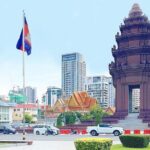
This trip starts early on purpose. You’ll either get pickup or meet at the Independence Monument area, with the day kicking off around 5:30 am (pickup time) and 6:00 am (meeting). The logic is simple: early light helps birds feed actively, and you’ll see more while the air is still cooler.
The drive to the first bird site takes about 30 minutes. That means you aren’t spending your morning stuck on the road. Instead, you’re arriving while the birds are still behaving like birds, not like “mysterious silhouettes you only spot later.”
Also, you’ll get morning coffee and breakfast. I appreciate this because early starts can turn into cranky starts. Having food before you start scanning the sky keeps the whole day from turning into endurance tourism.
Other Oudong Mountain and countryside tours in Phnom Penh
First Wetlands Stop: Little Grebe, Herons, and Kingfisher Watching
Your first observation area is a mix of countryside and water settings. The best part here is that you’re not just looking for one type of bird. You’re walking through different micro-scenes where species trade off based on water depth, vegetation, and light angle.
From what this tour targets, you can reasonably hope to spot birds like:
- Little grebe
- Little egret
- Kingfisher (common and pied types)
- Blue-tailed bee-eater
- Little bee-eater
- Plaited prinia
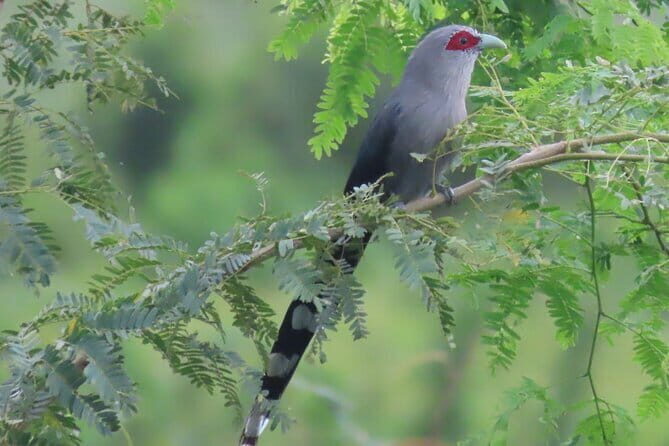
- Green-billed Malkoha
- Great cuckoo
- Plus other water and wetland birds as they show themselves
What I like about starting here is the variety. One minute you’re reading the waterline; the next minute you’re tracking movement in grasses. A good birding guide helps you avoid the common beginner mistake: staring at one spot for too long. The guide’s job is to keep you aware of where birds shift next.
The practical side
Bring your eyes, not your binocular pride. The tour includes binoculars, but it specifically suggests you may want to bring yours if you have them. If you’ve ever held someone else’s binoculars and instantly started fighting the focus wheel, you’ll understand why having your own is calming.
Tonle Sap Riverside Drive: Rice Fields, Community, and Second-Site Birding
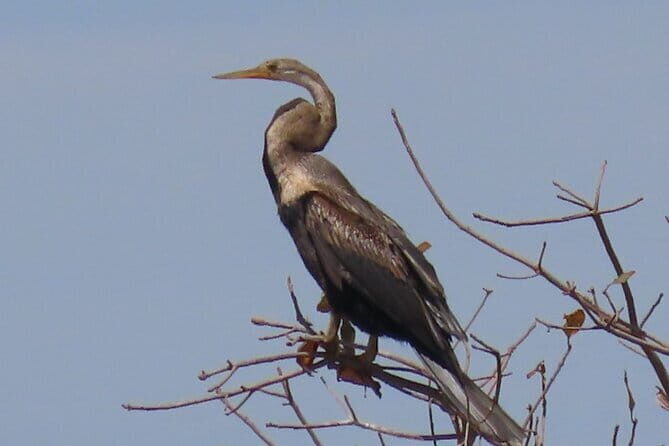
After the first stop, you move along the Tonle Sap Riverside by vehicle. This is a nice change of pace, because you’re not just birding in one flat area. You’ll pass rice fields and a Muslim community, so the scenery feels lived-in rather than like a closed-off reserve.
Then you set up another observation spot with birds that often appear in more open, watery, and edge-of-field conditions. This part of the day is where you might catch species such as:
- Yellow bittern
- Oriental darter
- Asian yellow weaver
- Asian openbill
- Black-winged kite
- Indian roller
- Sunbirds
- Lesser whistling-duck
- And other wetlands birds that move through the same feeding zones
This section matters because birdwatching is partly about timing and partly about knowing what habitat to look for. The guide is doing the habitat matching for you. You just follow the pointing, the scanning, and the quick checks of calls.
Coffee and Fruit Break Over Grass Fields

At some point in the morning, you’ll pause for morning coffee and fruit, often while overlooking grassy areas. This matters more than it sounds. In birding, your eyes get tired. A break resets your focus and makes you better at spotting small targets again.
This is also where more action often shows up. During this break and the surrounding viewing, species you may see include:
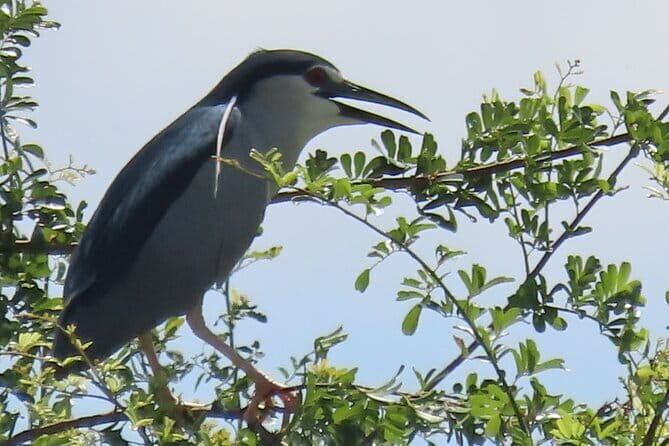
- Black-crowned night heron
- Grey heron
- Great egret and little egret
- Common greenshank
- Black-winged stilt
- Pied kingfisher and common kingfisher
- Cambodian tailorbird
- Mayan pond heron (listed as Mayan pond heron)
- Plus wetland birds in general
Some birds show up like they’ve been hiding in plain sight. That’s why I like this part of the day: you’re not rushing. You’re giving your brain time to learn the shapes.
And yes, the guide’s skill makes a difference here. People have been impressed with how guides like Simon or Thong spot birds quickly and explain the setting in a way that makes you feel less lost.
Floating Village Time: Tonle Sap River Views and Lunch Setup

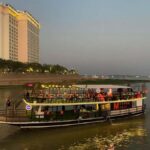
Next up is a floating village visit on the Tonle Sap River. This stop gives you a break from constant scanning. It also shifts the day from “birds only” into something more human.
What you get is a glimpse of local life on the water—exactly the kind of context that makes your bird sightings feel less random. When you understand the environment people depend on, it’s easier to appreciate why birds congregate where they do.
Right after this village time, you move to lunch. The tour includes lunch, and the day flows so you’re not left hunting for food while you’re still in “birding brain.” A full meal matters because the afternoon is still part of the work.
A note on pacing
This is a long day, roughly 7 hours total. Even though you’re not doing a hard hike, you’ll spend time sitting, standing, and watching. Wear comfortable clothes and shoes you can stand in without thinking about it.
Oudong Temple Birding: Old Capital Views and a Bird-Friendly Finish
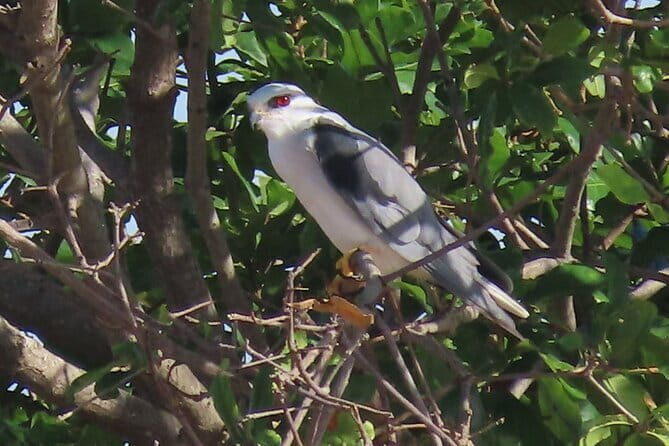
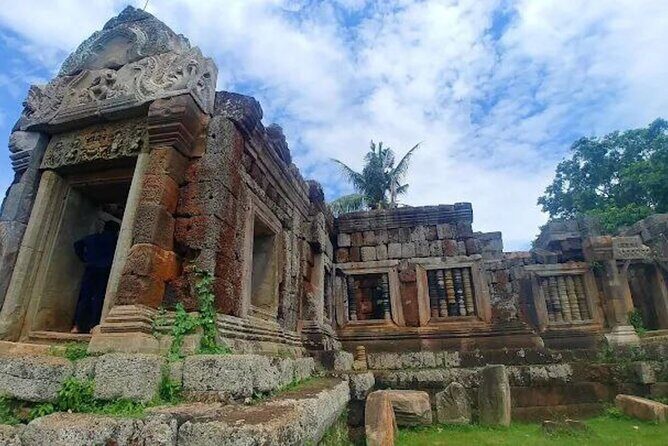
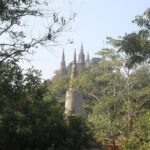
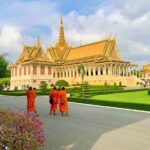
The day ends with birding at Oudong Temple, along with time to learn about the old capital city. Oudong adds a different kind of viewing: more built heritage, different perches, and often different flight paths than the wetlands.
For me, this is a great way to close the loop. Wetlands give you waterbirds and edge birds. Then the temple area can bring in kites, general raptors, and other birds that use higher points. The tour’s bird focus includes targets like:
- Black-shouldered kite
- Cinnamon bittern (often a harder one, depending on conditions)
- Java pond heron
- Grey heron
- And more wetland and migratory birds as they move through the area
It’s also one of those places where a guide can add meaning fast. In past experiences on this kind of route, guides (like Thong) have helped people connect what you see with how the place evolved. You finish with bird names in your head and a better sense of where the city’s past fits into the present.
Timing
You typically return to Phnom Penh around 3:00 or 4:00 pm. That’s helpful because it leaves you the rest of the day free for an easy dinner and a low-effort stroll instead of another “big plan.”
Species List Reality Check: What You’ll Actually See
The tour description lists many potential birds, including:
Cambodian tailorbird, Black-crowned Night-heron, Oriental Darter, Black drongo, Green-billed Malkoha, Asian Openbill, Lesser Whistling-duck, Little Grebe, Cinnamon Bittern, Grey Heron, Java Pond Heron, Black-shouldered Kite, plus migratory birds.
Here’s the honest way to think about it: you’re booking a guided route designed for bird variety, not a guarantee of every species. If you’re a first-time birder, the win is often learning how to separate birds by shape and behavior, not just ticking names off a list.
The guide’s role is to keep you engaged. When you feel like you’re staring at the wrong tree, a good guide redirects you. Past visitors have praised how guides can spot and identify quickly, including Simon in one case and Thong in another.
Price and Value: What $110 Buys You (and Why It’s Fair)
At $110 per person, this isn’t the cheapest thing in Phnom Penh. But it also isn’t just a driver and a vague meeting point. You’re paying for:
- English-speaking birding guide
- Round-trip vehicle support
- Purified drinking water
- Morning coffee, breakfast, and lunch
- Fruits/snacks (refreshment fruits, and guides are also known for keeping water and small snacks handy)
- Binoculars (included, with a suggestion to bring your own)
When I judge value, I ask: how much would it cost me to recreate this day on my own? In practice, you’d need transport, a guide, and timing. You’d also need to know where to go for birds, not just where to drive for views.
This tour also keeps the group small, with a maximum of 8 travelers, which usually makes the guide’s attention feel more personal. For birdwatching, that matters.
Group Size, Guide Style, and Your Best Day-Bird Tips
A maximum group of 8 is a sweet spot. You aren’t competing for space, and the guide can manage who’s spotting what. With a smaller group, quick call-and-response identification is easier. That’s where the guide helps you move from “I saw something” to “I know what it was.”
If you want to maximize your chances, here’s what I’d do:
- Wear something light but closed-toe. Early mornings can still be buggy or sweaty.
- Bring your own binoculars if you have them, even though the tour provides some.
- Stay patient when the guide tells you to wait. Birds often make their move during the quiet moments.
- Use the morning. Don’t think of this as a casual stroll; it’s a bird-focused morning and then a second wave of birding.
One more smart angle: ask the guide questions. When guides share what the landscape and human activity mean for bird movement, your sightings stick better in your memory.
Who This Tour Fits Best
This day trip is ideal if you:
- Want a guided way to see birds around Phnom Penh without guessing habitats
- Like early starts when there’s a clear reason behind them
- Enjoy a mix of nature and local culture (wetlands plus Tonle Sap village plus temple)
- Appreciate learning how to identify birds by sight and calls, not just looking at pretty scenery
It may be less ideal if you hate early mornings or you expect a relaxing day with zero standing around. Birdwatching works best when you’re willing to focus and wait.
Should You Book This Birding Day Trip to Oudong and the Tonle Sap?
I think you should book it if birdwatching sounds like your kind of fun and you want more than just a photo stop. The combination of early prime viewing, two birding setups, floating village time, and Oudong Temple gives the day structure. You come away with both names and context.
Skip it if you’re looking for an all-comfort, no-wait kind of tour. This is a day built around watching and learning, and the trade-off is time spent scanning and waiting.
FAQ
FAQ
What time does the tour start in Phnom Penh?
The tour starts early. Pickup begins around 5:30 am, and the meeting point at the Independence Monument is at 6:00 am.
How long is the birdwatching day trip?
It runs about 7 hours total, and you typically return to Phnom Penh around 3:00 or 4:00 pm.
What’s included in the $110 price?
You get hotel pickup and drop-off, an English-speaking birding guide, purified drinking water, fruits, morning coffee and breakfast, lunch, binoculars, and round-trip vehicle support.
Do I need to bring binoculars?
Binoculars are included, but the tour also suggests you bring yours if you have them.
Where does the tour begin if I don’t have hotel pickup?
You can meet at the Independence Monument meeting point.
How big is the group?
The group size is limited to a maximum of 8 travelers.
Can I cancel for a full refund?
Yes. You can cancel up to 24 hours in advance for a full refund. If you cancel less than 24 hours before the start time, you won’t get a refund.