REVIEW · PHNOM PENH
Khmer Cooking Class Half Day (AM or PM)
Book on Viator →Operated by Banana Cooking Class · Bookable on Viator
A market trip plus a cooking lesson hits different in Phnom Penh. This half-day Khmer cooking class pairs tuk-tuk market shopping with a hands-on kitchen session, then ends with you eating the three dishes you cooked. It’s a nice way to understand Khmer flavors beyond what you taste at restaurants.
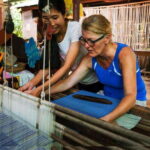
What I like most is the one-on-one instruction. You cook at your own station, with a chef close by to correct technique and help with details you’d usually miss when following recipes at home.
The only drawback to consider is that your meal is tied to what the group cooks. If you’re very picky, or you end up with more food than you want, there isn’t a stated option in the info provided for changing the dinner portion size.
In This Review
- Key things to know before you go
- Market Shopping in Phnom Penh: Why This Class Starts Off Right
- Banana Cooking Class Meets Tuk-Tuk: The Morning-or-Afternoon Rhythm
- Theory First, Then Real Cooking: How the Kitchen Session Works
- Three Khmer Dishes and a Real Meal: What You’ll Cook and Taste
- Learning Khmer Cooking Like a Local: Techniques You Can Actually Reuse
- Your Chef Matters: What to Expect From Instruction (Chef Lom Ang and Sophen)
- What to Bring, How to Prep, and Who This Class Fits Best
- Value for $31: Is This a Good Deal?
- Tips to Get the Most Out of the Class
- Should You Book the Khmer Cooking Class at Banana Cooking Class?
- FAQ
- What time does the Khmer Cooking Class run?
- Where do I meet for the class?
- Is this a private experience?
- Do we go to a market as part of the class?
- What will I cook and eat?
- Do I get recipes to take home?
- Is the ticket digital?
Key things to know before you go
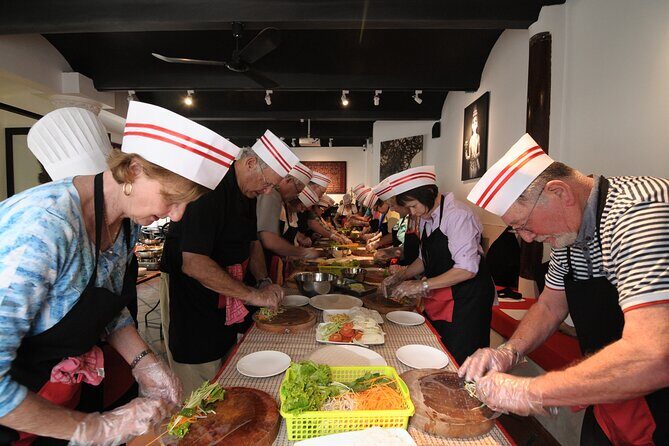
- Private, small-group vibe: only your group participates, and the class is taught with personal attention in mind
- Tuk-tuk to a local market: you’re shown fruits, vegetables, and spices before you cook
- Cooking at your own station: each student has their own wok and setup to practice technique
- Theory + demo first: a chef demonstrates before you start chopping and stirring
- Three traditional dishes, then you eat them: lunch or dinner included and based on your cooking
- Take-home recipes and ingredient lists: you get materials to recreate the dishes later
Market Shopping in Phnom Penh: Why This Class Starts Off Right
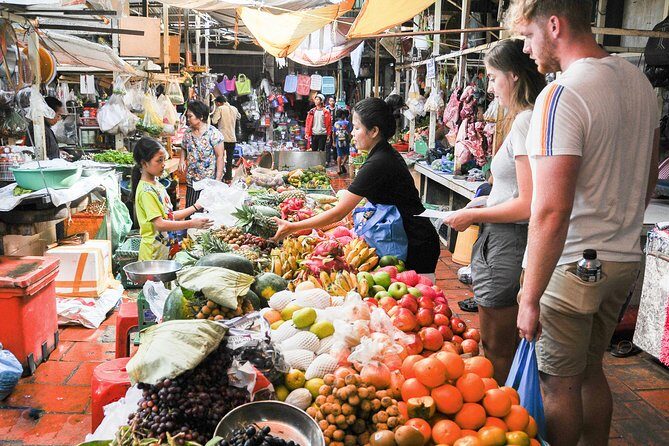
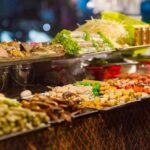
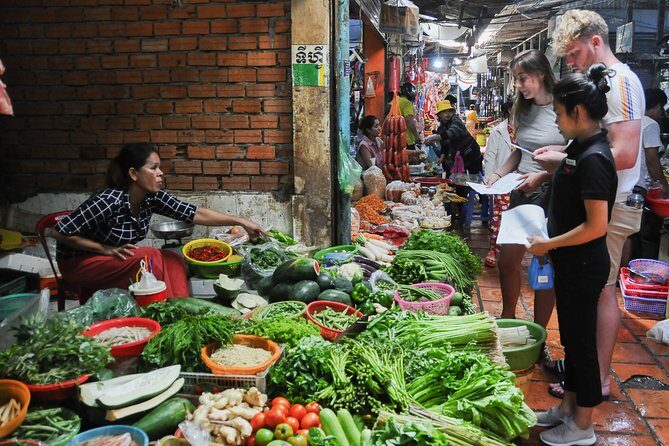
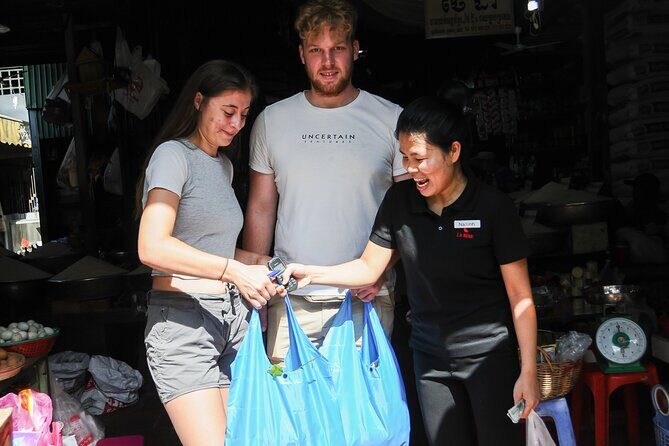
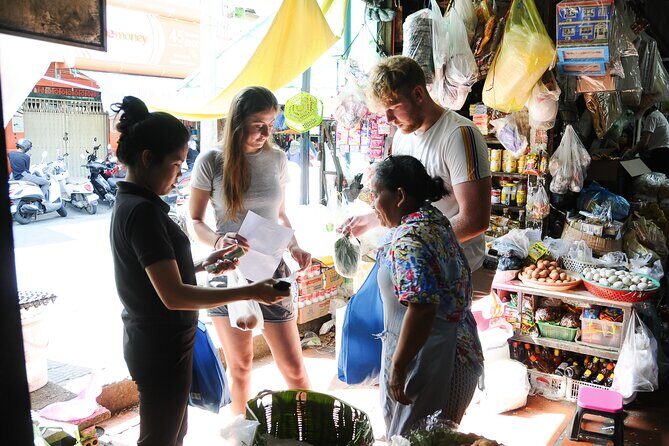
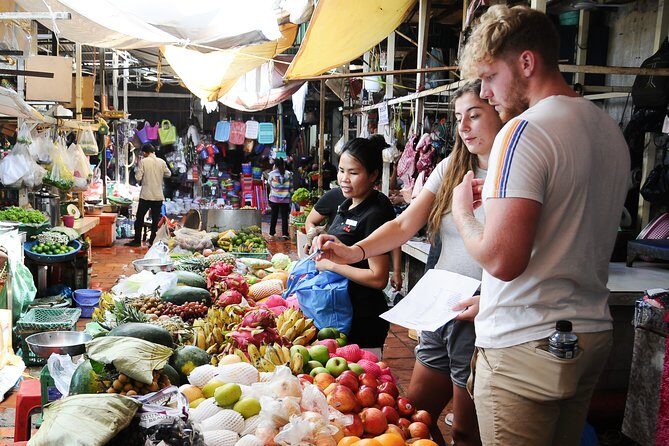
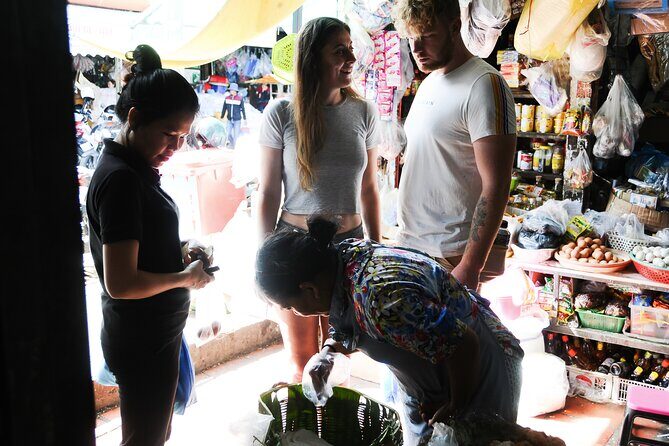
The best part of this experience is also how early it happens: you start at Banana Cooking Class, then head out to the local market. The market isn’t treated like a quick photo stop. You’re told and shown what to look for in fruits, vegetables, and spices, which matters because Khmer cooking depends on more than just a recipe card.
In Phnom Penh, markets are where you see the ingredients in their real forms—whole herbs, different sizes of produce, and spice blends that look nothing like what you might find packaged back home. The class gives you that context, so when you buy ingredients later, you’ll understand why something is chosen (freshness, aroma, texture) instead of guessing.
One more practical win: you’re learning ingredient selection and prepping basics in the same session. By the time you return to the kitchen, you already handled the items, so it’s easier to remember what’s going where.
Other Khmer cooking classes in Phnom Penh
Banana Cooking Class Meets Tuk-Tuk: The Morning-or-Afternoon Rhythm
You get two schedule options: an AM session starting around 9:00am, or a PM session starting around 3:00pm. The class runs about 4 hours total, and it ends back at the start point.
Expect this flow:
- You meet at Banana Cooking Class, 1, 4b Abdul Carime St. (21), Phnom Penh
- Then you go by tuk-tuk to the market
- You return to Banana Cooking Class for the cooking portion
This timing is smart. A half day is long enough to shop, cook, and eat, but not so long that you burn your whole day sitting in training mode. Also, the tuk-tuk ride is part of the fun and helps you shift gears from sightseeing to doing something active and useful.
Practical note: plan for walking around the market and carrying a small shopping list back to the kitchen. Comfort matters more than style here—light clothing and closed-toe shoes are your best friends.
Theory First, Then Real Cooking: How the Kitchen Session Works
Once you’re back at Banana Cooking Class, the kitchen part starts with the “prep and explain” stage. You’ll get a refreshing drink, a cold towel, and recipe materials. Then comes theory and demonstration—your chef shows the dishes you’ll prepare.
After that, it’s hands-on. Each student gets a cooking setup, including a wok and their own station, with assistance from the chef. This is where the class becomes more than entertainment. You’re not just watching; you’re building muscle memory for technique—cutting, mixing, heat control, and timing.
The chef guidance also seems to be a core strength of this experience. Many of the standout lessons in the feedback point to patient, clear teaching, including market ingredient checks and step-by-step guidance during cooking. When you’re cooking curry or a dish with multiple components, those small corrections can make a big difference in the final flavor.
If you’re an experienced home cook, this still works because you’re learning Khmer-specific approaches, not generic “Asian cooking.” If you’re a total beginner, you’ll be glad the class starts with demonstrations and moves in logical order.
Three Khmer Dishes and a Real Meal: What You’ll Cook and Taste
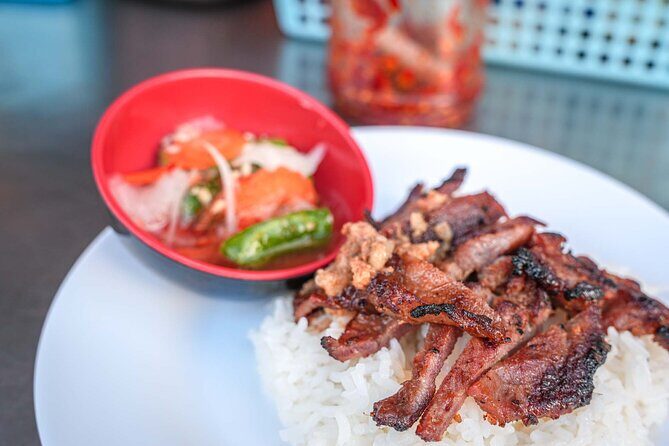
The promise here is straightforward: you cook three traditional Cambodian dishes, then you eat a lunch or dinner made up of what you prepared.
The exact menu can vary by class, but the examples from past sessions give you a strong idea of the range. Dishes mentioned include:
- Yellow chicken curry, described as especially memorable
- Fish amok, a Khmer classic
- Spring rolls / rice paper roll style items
- Green mango salad
- A banana dessert like banana palm sugar (and similar banana caramel-style sweets)
So yes, you’ll likely cover both savory and sweet. That’s a good mix because you’ll see how Khmer flavor builds across different dish types—sauces and curries in one section, then a fresher or sweeter component after.
Also, the meal is not served as a separate restaurant course you didn’t earn. You sit down with the food you made. That does two things for your confidence: you learn what “correct” looks and tastes like, and you can troubleshoot later when you recreate the recipes at home.
One consideration: since the meal is the result of your class, if you’re cooking but you personally don’t like one dish, you may still be expected to eat it. The info provided doesn’t mention substitution or portion adjustments, so if you have food restrictions, think carefully before you book.
Learning Khmer Cooking Like a Local: Techniques You Can Actually Reuse
A lot of cooking classes teach you how to follow steps. This one does a better job of teaching you how to think like a cook.
Here’s the kind of value you’re getting:
- Ingredient logic: the market visit helps you understand what to choose and why
- Cutting and prep flow: you prep as part of the class, not afterthoughts
- Timing and heat: demonstrations come first, then you repeat the process at your station
- Sauce-building basics: especially relevant for curry-style dishes
Even if you don’t cook Khmer food regularly, you’ll walk away knowing how certain flavors are built and balanced. That’s the difference between a fun class and one that makes you better at cooking.
And you get supporting materials to make it easier to recreate the dishes later, including a list of ingredients and recipe instructions. Several past participants specifically highlighted receiving materials they could use at home.
Other cooking classes in Phnom Penh
Your Chef Matters: What to Expect From Instruction (Chef Lom Ang and Sophen)
The chefs are consistently mentioned as a highlight. Chef Lom Ang is a name that comes up more than once, described as friendly, patient, and skilled at explaining what to buy in the market and how to cook each step. Another instructor, Sophen, also appears in the feedback as an excellent teacher.
What you should look for during the class:
- Ask questions during the ingredient walk-through, not after you’re already back in the kitchen
- Watch how the chef handles adjustments (for example, if your ingredient looks different from what you’re used to)
- Follow along even if you cook at home—technique matters, and Khmer cooking has its own patterns
Because the class is private (only your group participates), your chef can focus on your pace. That’s not just comfortable—it’s practical. You’ll learn faster if someone can correct you in real time.
What to Bring, How to Prep, and Who This Class Fits Best
This is a half-day activity, so pack like you’re doing a real plan for the day: comfortable clothes, shoes for market walking, and a good attitude for hands-on cooking.
Who it suits best:
- People who want authentic Khmer food instead of cooking “general Asian dishes”
- Couples and families who want an activity with a shared goal (cook, then eat together)
- Beginners who need clear instruction and close help
- Home cooks who want Khmer techniques and ingredient guidance they can replicate
If you’re traveling with kids, the class still seems workable based on the details provided—small groups and clear step-by-step guidance usually make this kind of activity easier.
If you’re worried about spicy food: you’ll still be in a Cambodian kitchen where heat may be part of the flavor profile. The class doesn’t state spice customization in the info provided, so if you have a serious heat intolerance, consider messaging them when booking.
Value for $31: Is This a Good Deal?
For $31, you’re getting a lot bundled together:
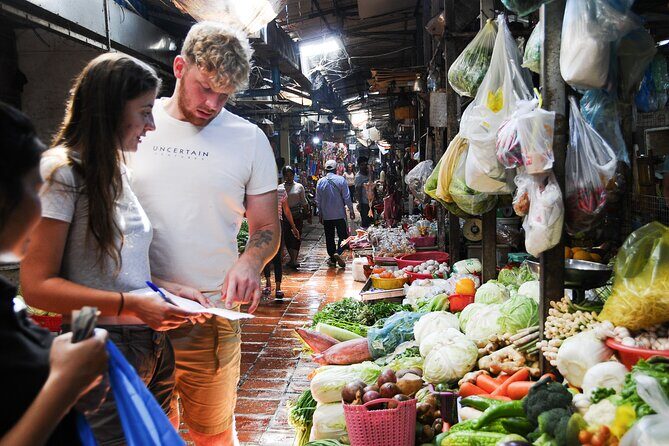
- Market shopping with a chef’s guidance
- Transportation by tuk-tuk between the start point and market
- Kitchen instruction, including theory + hands-on practice
- A meal of three dishes you cooked
- Recipes and an ingredient list to take home
- A certificate at the end, plus a photo session
Cooking classes can be expensive when they only cover instruction and not the ingredient selection and meal. Here, you’re paying for both the “where the ingredients come from” and the “how to turn them into food.” That’s the value equation that matters.
Also, the private tour setup is a big part of why the price can feel fair. One-on-one or small-group guidance is hard to find for the same money in many cities.
So if you want to come away with a skill—not just a meal—this price looks like a smart bargain.
Tips to Get the Most Out of the Class
A few small moves can make the whole experience smoother:
- Bring a notebook or phone notes to copy key steps while the chef demonstrates
- Pay attention during ingredient selection; you’ll thank yourself later when you shop again
- Take your time in the theory part—those first explanations make the cooking portion easier
- If you have dietary limits, think about them before you arrive, because the menu is tied to the class dishes
- Keep an eye on your take-home recipes right after the class so you don’t misplace them
These are the practical things that turn a half day into something you can actually use when you’re back home.
Should You Book the Khmer Cooking Class at Banana Cooking Class?
I think you should book this class if you want a hands-on way to learn real Khmer cooking, with market guidance and close chef instruction. The combination of market shopping + cooking your own three-dish meal is the core reason it feels worth your time.
Skip or reconsider if:
- You have strong dietary restrictions and need guaranteed substitutions
- You don’t want to eat everything prepared in the class
- You’re looking for a sightseeing tour first and cooking second
But if your goal is to walk away with skills, recipes, and a meal that actually matches your work, this half-day format is a strong choice in Phnom Penh.
FAQ
What time does the Khmer Cooking Class run?
There are two half-day options: an AM session starting around 9:00am and a PM session starting around 3:00pm. The class is about 4 hours total.
Where do I meet for the class?
You meet at Banana Cooking Class, 1, 4b Abdul Carime St. (21), Phnom Penh, Cambodia.
Is this a private experience?
Yes. It’s described as a private tour/activity, meaning only your group participates.
Do we go to a market as part of the class?
Yes. You take a tuk-tuk ride to a local market to learn about and select Cambodian fruits, vegetables, and spices.
What will I cook and eat?
You’ll prepare three traditional Cambodian dishes and then eat the lunch or dinner you cooked.
Do I get recipes to take home?
Yes. You receive recipe information to help you recreate the dishes later.
Is the ticket digital?
Yes, the experience includes a mobile ticket.