REVIEW · PHNOM PENH
Half-Day Tour of the Killing Field and S21
Book on Viator →Operated by The Killing Field and S21 Genocide Tour · Bookable on Viator
Choeung Ek and S21 are heavy visits. This half-day combo in Phnom Penh links two of the most important Khmer Rouge sites, with a professional English-speaking guide who helps you make sense of what you’re seeing. I like that the tour also offers pickup, so you spend less time sorting out transport and more time preparing yourself for the day.
One key consideration: entrance fees are not included, so you’ll still need to budget for entry at both Choeung Ek and Tuol Sleng before you go in. It’s also a dark, emotional route, and the schedule is tight enough that you’ll want to pace your expectations.
In This Review
- Key things to know before you go
- Choeung Ek and S21: why this pairing matters
- Price and logistics: what you’re really paying for
- The 4-hour rhythm: how the half-day schedule works
- Stop 1: Choeung Ek Genocidal Center and what you’ll encounter
- Stop 2: Tuol Sleng (S21) and the prison-school transformation
- The role of the guide: why clarity matters here
- What’s included vs. what you’ll pay on the spot
- Getting to the meeting point (and staying on schedule)
- Comfort and timing: how to make the day feel manageable
- Who should book this Phnom Penh half-day?
- Should you book the Killing Fields and S21 half-day tour?
- FAQ
- How long is the half-day tour?
- What does the tour include?
- Is hotel pickup included?
- Where does the tour start and end?
- Are entrance fees included?
- What sites are visited?
- How much time is spent at each stop?
- Is this tour limited in group size?
- What kind of ticket do I receive?
- FAQ
- How do I cancel this tour if my plans change?
Key things to know before you go
- Two connected sites in one 4-hour loop: Choeung Ek for the killing fields, then Tuol Sleng (S21) for the prison story.
- English guidance that keeps pace with the facts: you’ll get a guided narrative meant to stay clear and understandable.
- Small group size: capped at 15 travelers, which helps the guide manage questions.
- Included water and snack: small comfort, because this is not a light sightseeing day.
- Mobile ticket for the tour, not the site entry: you still cover entrance fees on arrival.
Choeung Ek and S21: why this pairing matters
If you only visit one site in Phnom Penh, you’ll miss the bigger picture. This tour pairs Choeung Ek Genocidal Center with Tuol Sleng Genocide Museum (S21), and the result is a clearer chain of events: detention first, then execution.
Choeung Ek is known as the best-known killing fields. It was once an orchard and a Chinese cemetery, and the Khmer Rouge transformed it into a place of mass killing between 1975 and 1979. At Choeung Ek, mass graves containing 8,895 bodies were discovered after the Khmer Rouge fell. The site is also tied to prisoners from detention centers, including people who were held at Tuol Sleng.
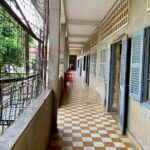
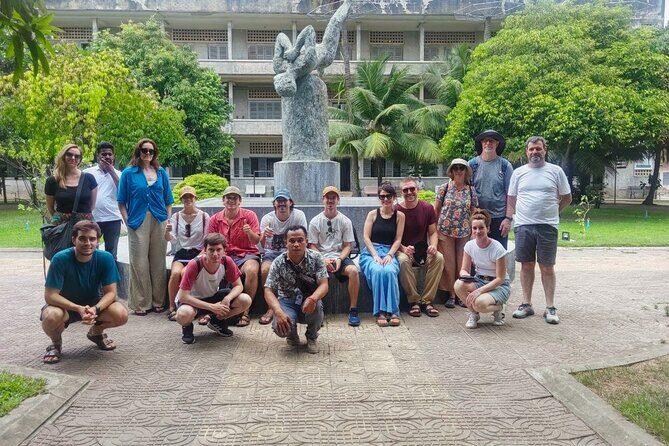
Then you move to Tuol Sleng, which is where the prison details come into focus. This wasn’t originally a prison. It was a former secondary school converted into Security Prison 21 (S-21), used by the Khmer Rouge from 1975 until 1979. The complex was turned into detention and interrogation buildings in 1976, changing a school environment into a place of confinement and punishment.
This is why the tour format works. Choeung Ek shows the aftermath and scale of killing. S21 shows the machinery before the killing.
Other Killing Fields tours we've reviewed in Phnom Penh
Price and logistics: what you’re really paying for
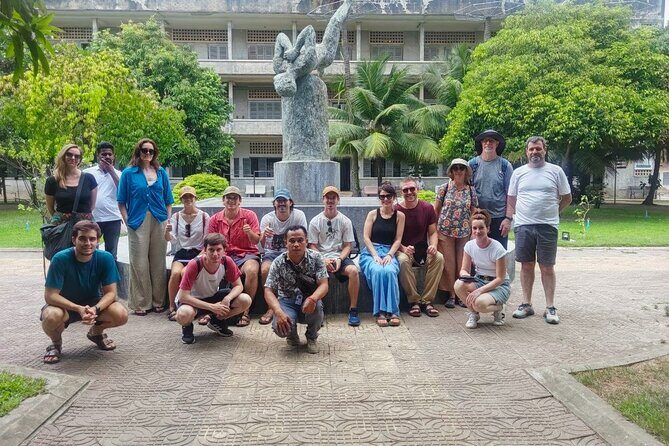
The price is $19.20 per person, and the tour runs about 4 hours. At this cost, what you’re paying for isn’t just transport. You’re buying access to a structured, English-led explanation that can turn a confusing visit into a guided understanding.
The tour includes a professional English-speaking guide, a licensed driver, and clean, safe transportation. You also get water and a snack, which sounds small until you realize how long you’ll sit in rooms with intense displays and heavy context.
The one line item you need to plan for is entrance. The tour does not include the entrance fees for Tuol Sleng or Choeung Ek. So your real budget is: the tour price plus site entry.
One more practical detail: it’s a small group tour with a maximum of 15 travelers. That size helps the guide keep control of timing, which matters when each stop is scheduled for about 2 hours.
The 4-hour rhythm: how the half-day schedule works
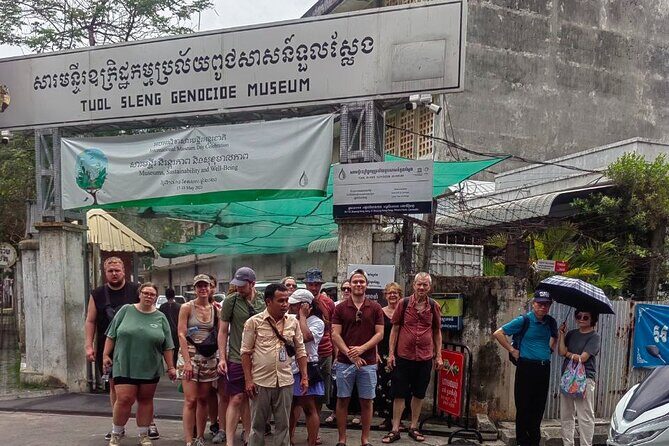
This is not a “wander and snack” style outing. It’s built like a focused route: two major sites, two hours each, guided from start to finish.
A typical flow looks like this:
1) Travel from the meeting point south of Phnom Penh toward the killing fields.
2) Spend about 2 hours at Choeung Ek.
3) Move to S21.
4) Spend about 2 hours at Tuol Sleng.
5) Return to the meeting point.
For many visitors, that pacing is the sweet spot. You get enough time to read, absorb, and ask questions without the day turning into a 9-hour endurance test.
But it also means you’ll want to think about your energy. This is emotionally demanding content, so if you know you get overwhelmed quickly, it can help to go in with the mindset that you’re there for understanding, not comfort.
Stop 1: Choeung Ek Genocidal Center and what you’ll encounter
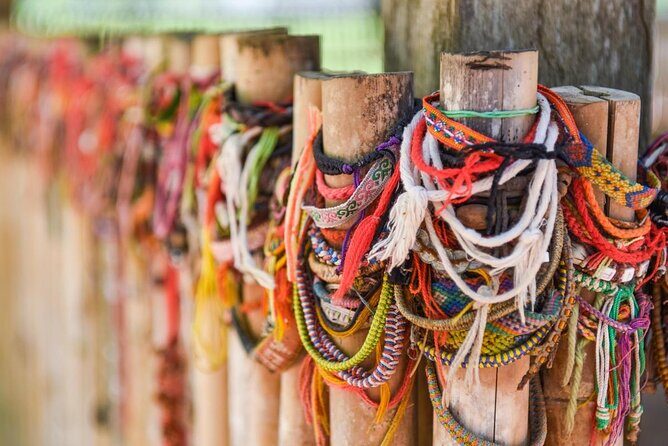
Choeung Ek is about 17 km south of Phnom Penh city center. The site itself tells you what happened, but it can also be easy to feel mentally overloaded if you go in without any context.
Your guide’s job here is big. They’ll frame the space as something that started as an orchard and Chinese cemetery, then became a Khmer Rouge killing site. The Khmer Rouge, led by Pol Pot, carried out killings at Choeung Ek during 1975 to 1979.
What you’ll take away from the Choeung Ek portion is scale and documentation. The information includes that mass graves were discovered after the Khmer Rouge fell, and that 8,895 bodies were found in graves at the site. The exhibit and explanations also connect the killing fields to prisoners detained by the Khmer Rouge in places like Tuol Sleng.
This stop can be physically easy and mentally hard. It’s not the kind of place where you want to rush. Even if your schedule says two hours, you’ll likely spend a chunk of that time standing, reading, and absorbing the meaning of what’s presented.
A practical consideration: because this site is known and heavily referenced, it can feel intense even if you’ve read about it before. Going with a guide helps you avoid getting lost in details that don’t connect to the bigger story.
Stop 2: Tuol Sleng (S21) and the prison-school transformation
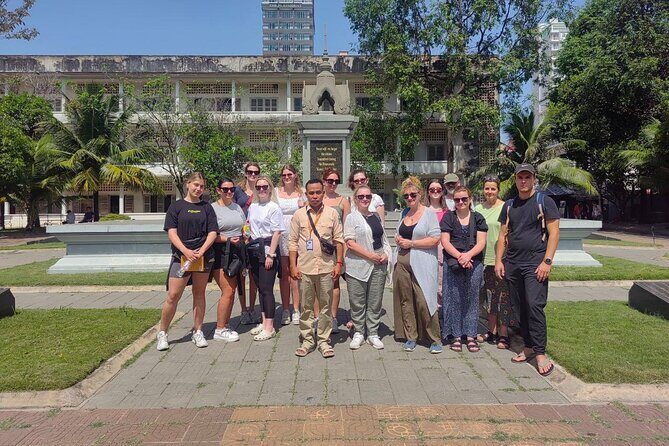
Tuol Sleng is one of the most direct windows into the Khmer Rouge detention system. The museum is located in a former secondary school that was used as Security Prison 21 from 1975 to 1979.
The “school” detail matters. Your guide will explain that the buildings were converted into prison and interrogation centers. The complex includes several buildings, and the transformation into detention facilities happened around March or April 1976. That timeline turns the site from a generic symbol into a real example of how quickly everyday institutions were repurposed into tools of terror.
What makes S21 so hard to process is that it focuses on the process: the purges, the detention, and the attention the Khmer Rouge gave to people considered important enough for interrogation and execution.
This is also where you may feel the strongest pull toward the human side of the story. In one case, visitors noted that survivors were present at S21 and sold signed copies of their book, which they considered worth buying. If that kind of moment happens when you visit, it’s a meaningful way to support the preservation of survivor testimony.
One more reason this stop matters: it helps you connect what you saw at Choeung Ek to the people who were held in S21 first. The route makes the system feel less abstract.
Other Tuol Sleng (S-21) tours we've reviewed in Phnom Penh

The role of the guide: why clarity matters here
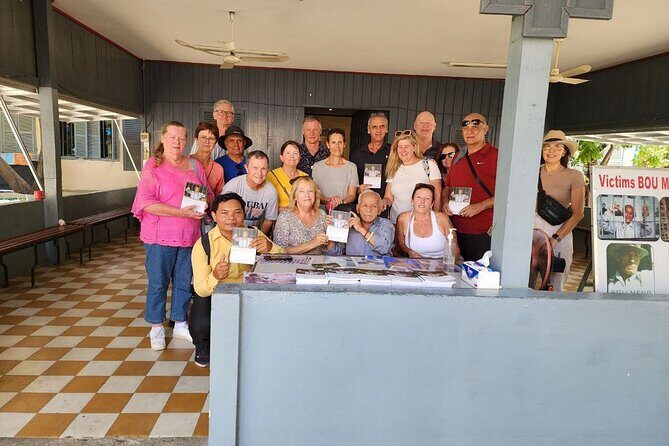
The best thing about this tour is the guiding. You’re not just getting transport to two famous sites. You’re getting an English narrative that keeps you grounded in sequence and meaning.
Two guide names came up in the supplied experience details: Visal and Sum. Both were described as strong explainers, with Visal noted for being extremely informative and Sum praised for explaining the tour clearly. The consistent theme is plain, organized English that helps you follow the story even when the content is difficult.
That matters because genocide history is full of dates, institutions, and names. Without guidance, you can end up with facts that don’t connect. With guidance, you can build a coherent picture of how the regime worked.
Also, guides bring a kind of moral steadiness. Several accounts emphasize how emotional the day is, and how important it is to learn the history while you’re in Cambodia. A good guide won’t try to lighten the mood. They’ll help you face it with structure.
What’s included vs. what you’ll pay on the spot
Included in the tour price:
- Professional English-speaking guide
- Licensed driver and clean, safe transportation
- Water and snack
- A mobile ticket for the tour itself
Not included:
- Entrance fees for Choeung Ek Genocidal Center
- Entrance fees for Tuol Sleng Genocide Museum
So when you budget, treat the tour as the guided service plus transport, and treat site entry as your on-arrival add-on.
This is also why the tour still feels like good value even though admission is extra. At a $19.20 base price, you’re getting a guide, transport, and basic in-vehicle support, not just a self-guided map.
Getting to the meeting point (and staying on schedule)
Your tour starts at Grand River Sports Bar, 178 Corner Sisovat quay, Riverside Path, Phnom Penh 120201, Cambodia, and ends back at the meeting point. That “back where you started” structure is helpful. You won’t have to negotiate a late taxi ride back across town after a heavy day.
Pickup is part of the plan, which is a big convenience in Phnom Penh traffic. The small group size and fixed timing can make everything smoother, but it also means you should be ready when the pickup window comes.
One caution to keep in mind from the experience details you provided: there was at least one reported case of a missed pickup due to the operator mistakenly not picking someone up intentionally. The takeaway for you is simple. Keep your phone reachable, confirm your details, and don’t disappear into the hotel’s farthest corner.
Comfort and timing: how to make the day feel manageable
Even though the topic is grim, the “how” of the visit can still make a difference.
The tour includes water and a snack, and transportation is described as clean and safe. Many people also find the ride comfortable, which matters because the route is direct and scheduled.
The time split is helpful too. Each stop gets about 2 hours, meaning you don’t get rushed through rooms that deserve reading time. Still, two hours can pass fast when you’re absorbing difficult material.
My practical advice: give yourself a mental permission slip to go slower than you normally do on tours. You don’t have to sprint through displays. If you need a break, step out, breathe, and then come back for the next room.
Who should book this Phnom Penh half-day?
Book this tour if you want:
- A guided connection between killing fields and the prison system behind them.
- A clear English explanation that helps you follow complex history.
- A half-day schedule that avoids swallowing your whole day.
You might reconsider if:
- You know you’re very sensitive to graphic, emotionally intense history and you prefer a lighter sightseeing plan.
- You don’t want to pay additional entrance fees after the tour price.
This is also well suited for first-timers in Phnom Penh who want one high-impact cultural and historical experience without overplanning. The max 15 travelers keeps it from turning into a chaotic group slog.
Should you book the Killing Fields and S21 half-day tour?
Yes, if you’re in Phnom Penh for a short stay and you want one route that ties the story together. The value is strongest when you care about understanding, not just checking boxes: you get English guidance, safe transport, and a logical two-site progression in about 4 hours.
Also book it if you appreciate structured tours. Even though the content is dark, the schedule gives you time at each site and reduces the stress of figuring out transport on your own.
Just go in with two expectations set: you’ll pay entrance fees on site, and you’re choosing an emotionally intense visit. If that fits your travel style, this is a solid, efficient way to learn the history that shaped Cambodia in the Khmer Rouge era.
FAQ
How long is the half-day tour?
The tour lasts about 4 hours.
What does the tour include?
It includes a professional English-speaking guide, a professional driver, clean and safe transportation, and water and a snack.
Is hotel pickup included?
Yes, pickup is offered. The tour also starts at a specific meeting point in Phnom Penh.
Where does the tour start and end?
It starts at Grand River Sports Bar (178 Corner Sisovat quay, Riverside Path) and ends back at the same meeting point.
Are entrance fees included?
No. Entrance fees for Tuol Sleng Genocide Museum and Choeung Ek Genocidal Center are not included.
What sites are visited?
You’ll visit the Choeung Ek Genocidal Center and the Tuol Sleng Genocide Museum (S21).
How much time is spent at each stop?
Each stop is scheduled for about 2 hours.
Is this tour limited in group size?
Yes. It has a maximum of 15 travelers.
What kind of ticket do I receive?
You receive a mobile ticket, and confirmation is received at the time of booking.
FAQ
How do I cancel this tour if my plans change?
You can cancel for a full refund up to 24 hours before the experience starts, based on local time.