REVIEW · PHNOM PENH
Half Day To Killing Field & S21 Genocidal Museum
Book on GetYourGuide →Operated by Tour Guide Team Phnom Penh · Bookable on GetYourGuide
Two stops, one unforgettable reality. This half-day tour connects the Tuol Sleng S21 Genocide Museum interrogation rooms to the Choeung Ek Killing Fields memorial site, with a licensed English guide who makes the timeline and ideology easier to follow without losing the human weight of what happened. I especially like how the visit is structured—photo stops, guided walking, and time inside each site—so you’re not rushing through a place that demands attention. I also like the presence of a survivor’s account during the experience, which turns history from facts into something you can actually understand. The only drawback: this is emotionally heavy, so if you’re hoping for a light, casual outing, this won’t fit.
The best version of this tour is clearly the guide. In particular, I saw how guides like Ms Sreyneang and Chheamg Sreymeamg can explain complex Khmer Rouge history with patience and compassion, and answer questions in a way that keeps it respectful. If you’re the type who likes context—how Pol Pot’s regime worked, what communist doctrine meant on the ground, and how ordinary people got caught in it—this trip delivers.
In This Review
- Key Things That Make This Tour Worth It
- Why Tuol Sleng and Choeung Ek Land in Four Hours
- The Value of a Licensed English Guide (and Real Context)
- Hotel Pickup, Air-Conditioned Comfort, and How to Use the Time
- Tuol Sleng S21: From High School to Interrogation Machine
- What to watch for during your S21 walk
- Choeung Ek Killing Fields: The Route After S21
- Why the Choeung Ek stop matters
- The Ideology Piece: Pol Pot, Communist Doctrine, and What It Means
- Price and Logistics: Does $120 Per Group Up to 2 Make Sense?
- Who This Tour Fits Best (and Who Might Rethink It)
- Should You Book This Half-Day S21 and Killing Fields Tour?
- FAQ
- How long is the tour?
- Is this tour private?
- Does the price include site tickets and meals?
- Where does pickup happen?
- What sites are visited?
- Is the tour in English?
Key Things That Make This Tour Worth It
- Private, air-conditioned transport from your Phnom Penh hotel, plus a licensed driver
- A guided visit at both sites with time for questions, not just a quick look around
- Tuol Sleng S21 context: interrogation, torture, and death in the Khmer Rouge system
- Choeung Ek memorial route tied directly to what happened to S21 prisoners afterward
- Skip-the-line entry through a separate entrance to reduce waiting time
- Licensed English guides such as Ms Sreyneang or Chheamg Sreymeamg, known for clear, humane explanations
Why Tuol Sleng and Choeung Ek Land in Four Hours
Phnom Penh has plenty of historical sights. This one is different. In just a few hours, you’ll move through two connected locations that explain how the Khmer Rouge used fear, forced confessions, and mass killing as tools of control.
What makes it work as a half-day is the pacing. The visit is built around guided time inside Tuol Sleng (about 1.5 hours) and guided time at Choeung Ek (about 1.5 hours), plus short travel and photo stops. That matters because these places aren’t about ticking off buildings—they’re about understanding a system, and then seeing what that system produced.
Also, your guide doesn’t just translate information. You’re led through the narrative in a way that tries to honor the victims. The tour includes an encounter where you hear from a survivor about his life in the Khmer Rouge regime. That’s the kind of detail that can’t be recreated from a printed guidebook.
Other Killing Fields tours we've reviewed in Phnom Penh
The Value of a Licensed English Guide (and Real Context)
At the heart of this experience is interpretation. You’re going to learn about the Khmer Rouge’s leadership under Pol Pot, and you’ll also hear about communist doctrine during the regime. That can sound abstract until it’s explained in plain terms—how ideology became policy, and how policy became everyday brutality.
I like that the guides reported here don’t treat the story as a list of dates. Ms Sreyneang, for example, was praised for being patient while explaining complex history with humanity. Chheamg Sreymeamg was praised for communicating a horrific story with compassion and clarity, including family accounts. In practical terms, that means you’ll get answers to the questions most people have:
- Why S21 happened the way it did
- What role interrogation and torture played
- How prisoners were transferred and what their fate likely was
If you’re the kind of traveler who wants more than surface-level “this is sad” messaging, this guided format is where your value comes from.
Hotel Pickup, Air-Conditioned Comfort, and How to Use the Time
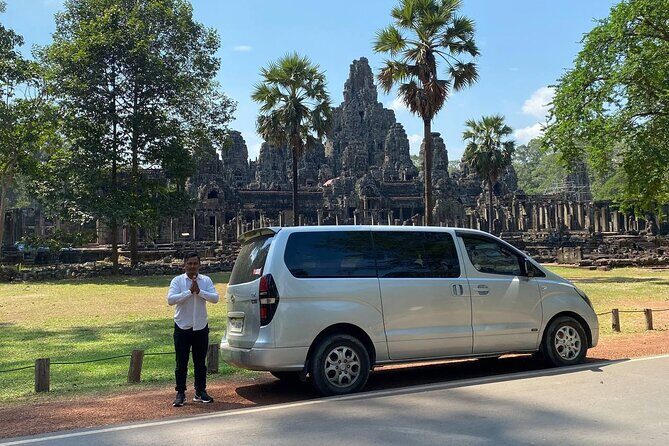
This is a private tour, so it runs on your schedule rather than fitting into a bigger group’s pace. You get hotel pickup and drop-off in Phnom Penh, using a van (about 15 minutes of transfer time before the first site). The vehicle is air-conditioned, which is more than a comfort perk—heat can drain your focus, especially in places that require careful attention.
You’ll also get cold waters and wipes. It sounds minor, but when you’re doing two memorial sites back-to-back, those small basics help you stay steady and present. You also get safety briefings at both locations, which is important because you’re walking in spaces where the atmosphere is already intense.
Finally, there’s skip-the-line entry through a separate entrance. That reduces time spent waiting in the heat or dealing with a crowd flow, which helps you arrive ready to learn rather than rushed.
Tuol Sleng S21: From High School to Interrogation Machine
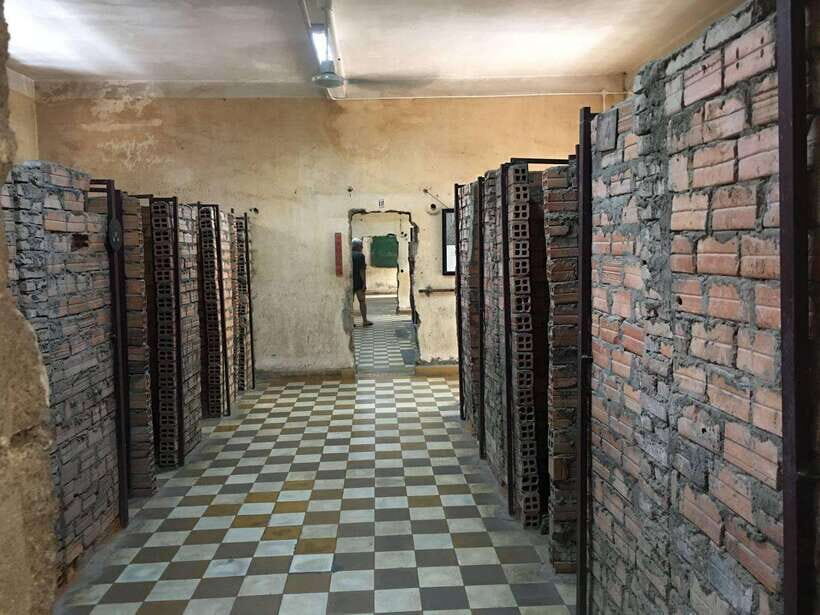
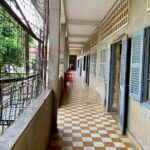
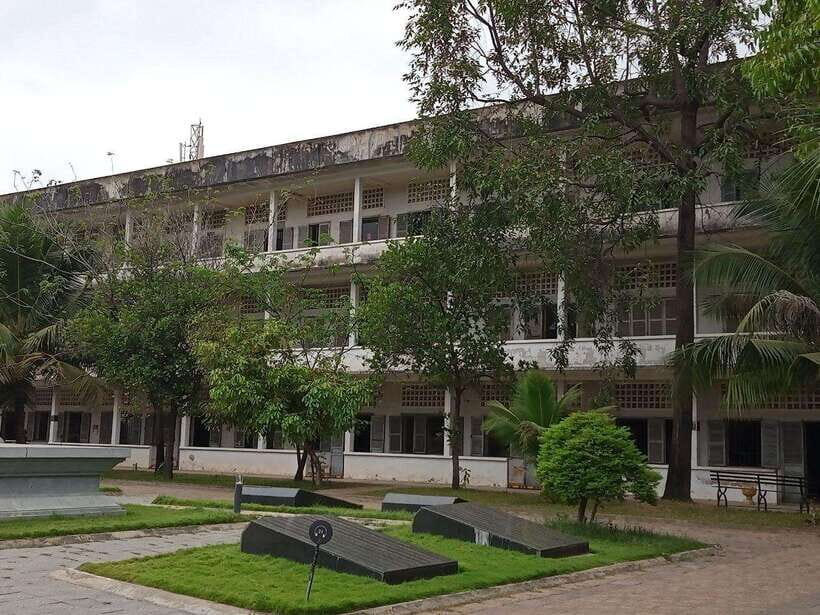
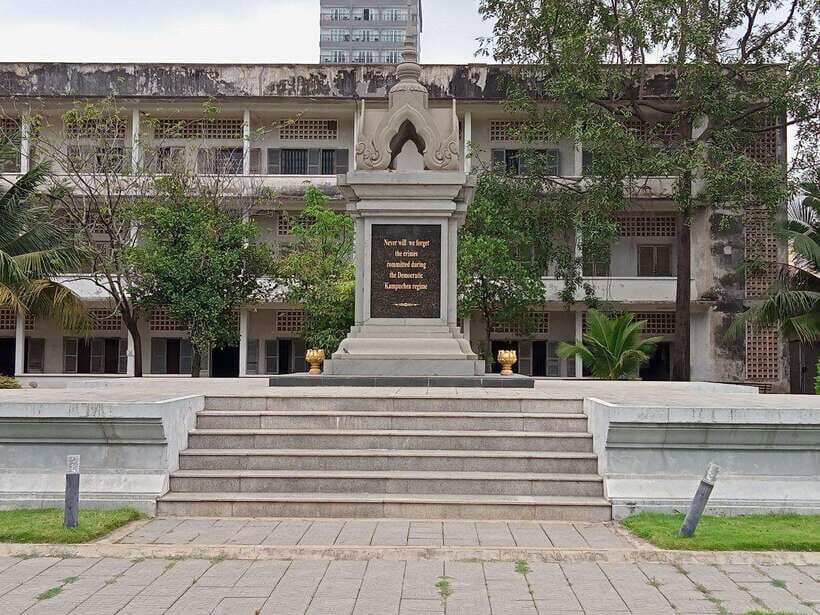
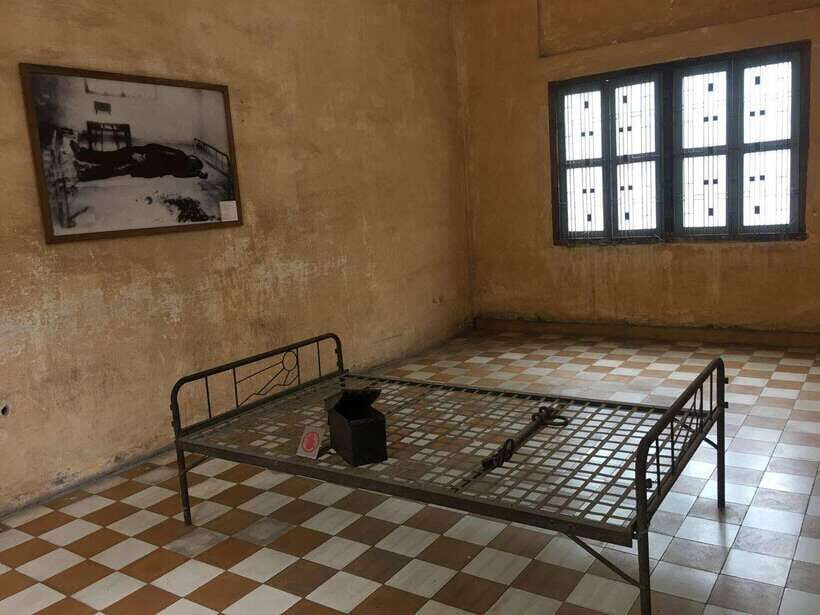
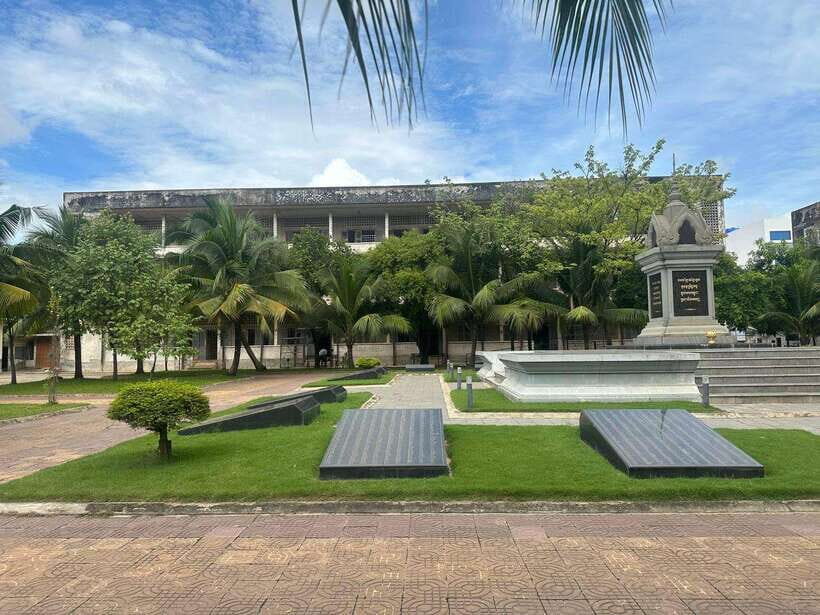
Tuol Sleng is now the Tuol Sleng Genocide Museum, but it started as something ordinary: a high school. Under the Khmer Rouge, it became a center for interrogation, torture, and death.
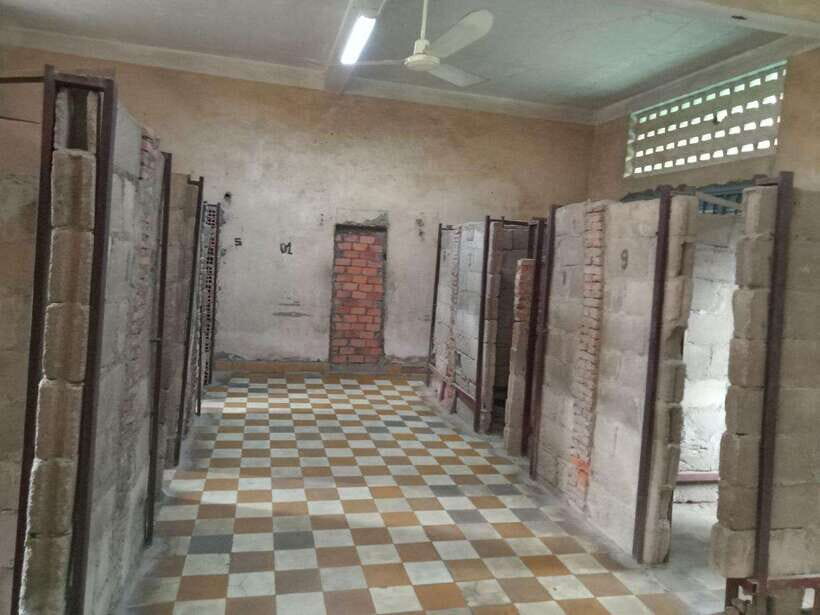
Your visit includes a photo stop and then guided exploration with walking time. You’ll focus on the buildings used for imprisonment and interrogation, and you’ll hear what happened to people as the regime forced confessions and classified prisoners. The numbers here are staggering: 17,000 people passed through the gates of this prison, and only seven lived to tell the tale.
What I find especially useful is that the guide connects what you see to what you’re being told. Instead of treating each room like a static exhibit, you’re guided through the logic of the place—how it functioned, and what that meant for the people inside.
What to watch for during your S21 walk
- The layout and signs of confinement: even if you don’t speak Khmer, the building’s purpose is visible once your guide explains it
- How the guide phrases the story: the tone matters here. A humane guide helps you hold the information without feeling numb or overwhelmed
- Space for questions: the format gives time to ask, which helps you make sense of details you might miss on your own
One more important point: this stop is sobering in a way that doesn’t translate well into “tour mode.” If you want to take photos, do it when you feel ready, not just because everyone else is doing it. Your guide can also help you decide what feels appropriate to capture.
Other Tuol Sleng (S-21) tours we've reviewed in Phnom Penh

Choeung Ek Killing Fields: The Route After S21
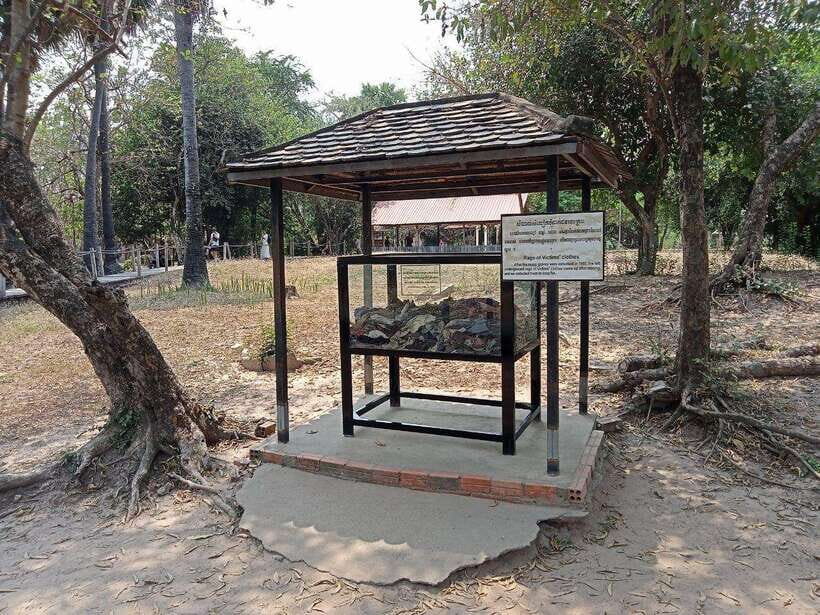
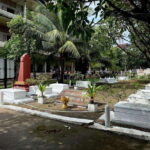
After Tuol Sleng, you’ll travel to Choeung Ek, an old Chinese cemetery that was turned into an extermination camp for political prisoners from Tuol Sleng.
This is where the story becomes brutally physical. Your guide will explain how the prisoners followed the same route to their fate. You’re not just visiting a memorial field—you’re seeing the destination linked to the prison system you just learned about.
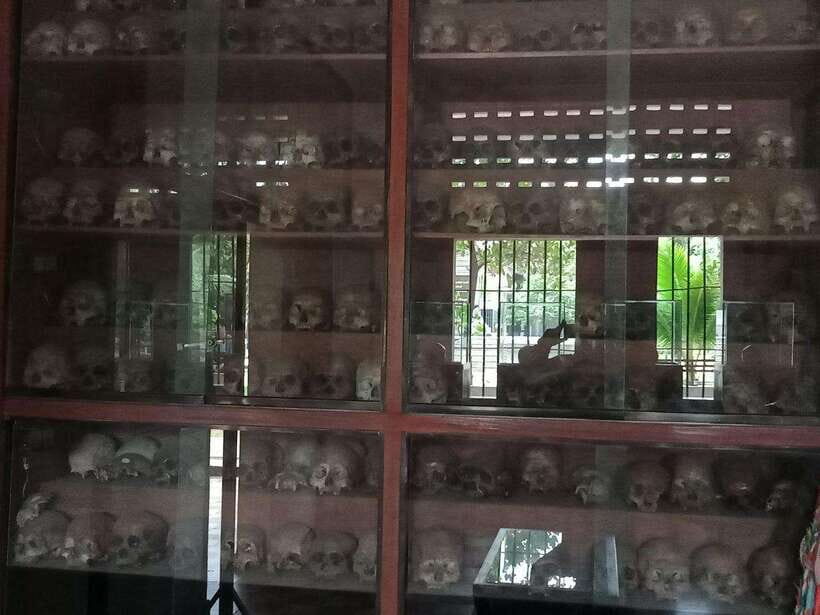
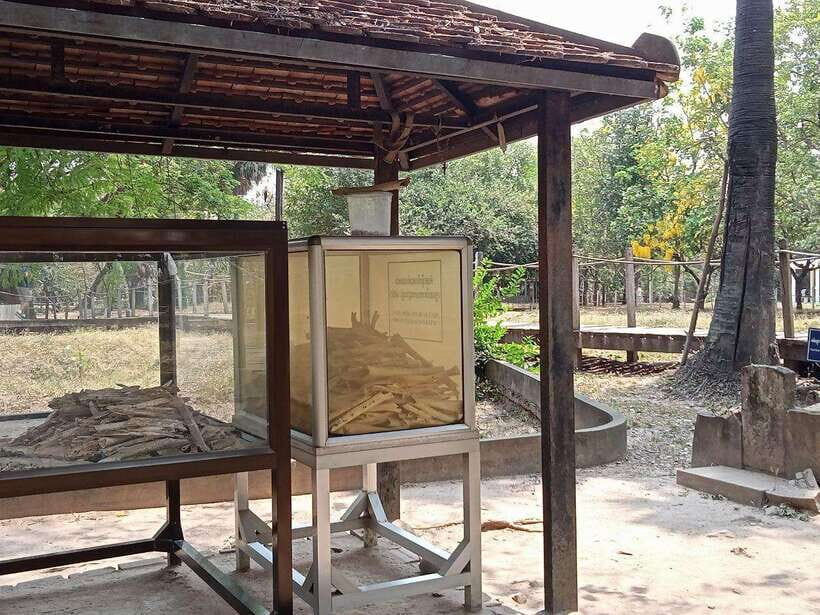
The tour’s memorial focus is clear in the facts you’re given. The remains of 8,985 people were exhumed from mass graves and are kept in a memorial stupa here. Even if you’ve read about these numbers before, standing in this space changes how they land. They stop being abstract and become weight in the room.
Why the Choeung Ek stop matters
This location gives you closure of a sort—not closure in the emotional sense, but closure in the narrative chain. You learn the process from capture to imprisonment to killing, and then you’re asked to reflect in a place that was set up to remember victims.
If you’re feeling overwhelmed, that’s normal. A good guide will give you space to slow down and take the experience at a human pace.
The Ideology Piece: Pol Pot, Communist Doctrine, and What It Means
A lot of genocide-focused tours get stuck on events and forget to explain mechanism. This one includes the “how” behind the “what,” including learning about Pol Pot’s leadership and communist doctrine during the Khmer Rouge time.
That matters because doctrine isn’t just theory. In practical terms, it shaped who counted as an enemy, what behaviors were punished, and how people were separated and controlled. Your guide should help connect the ideological labels to what prisoners experienced in real life.
When a guide can explain these ideas clearly, it protects you from a common misunderstanding: seeing atrocities as random cruelty instead of a system built to enforce power.
Price and Logistics: Does $120 Per Group Up to 2 Make Sense?
The price is listed as $120 per group up to 2, for a duration of 4 hours. Meals and tickets are not included, but transport, the licensed driver, a professional guide, and private logistics are included.
Here’s how I think about value with this kind of tour:
- You’re paying for time with a guide who can explain complex history and handle sensitive content with care
- You’re paying for private transport so you’re not trying to coordinate multiple transfers on your own in Phnom Penh
- You’re paying for reduced hassle through skip-the-line entry and hotel pickup/drop-off
Tickets not being included is worth noting, because memorial sites can have fees. But even with that extra cost, the private guide and transport are usually what make the experience worth it—especially because these sites demand context, not just sightseeing.
And because it’s private, you’re not stuck with a mismatched group energy. You can move at a respectful pace and ask questions without feeling like you’re holding up other people.
Who This Tour Fits Best (and Who Might Rethink It)
This tour suits you best if:
- You want a guided, English-language explanation rather than a self-paced visit
- You like learning about how the regime worked, including Pol Pot’s leadership and communist doctrine
- You’re open to hearing a survivor’s account about life under the Khmer Rouge
- You prefer private logistics so the day feels controlled and respectful
You might rethink booking if you’re looking for a light cultural afternoon, or if you know you struggle with emotionally intense memorial sites. This isn’t “dark tourism” as entertainment. It’s education and remembrance.
Should You Book This Half-Day S21 and Killing Fields Tour?
Yes—if you’re ready for a serious, guided history experience. I’d book it when you want the story connected end-to-end: from Tuol Sleng as an interrogation and torture center, to Choeung Ek as the extermination route, with a guide who can explain Pol Pot’s regime and answer questions thoughtfully.
For best results, go in with two expectations:
- You’re not here to browse. You’re here to understand.
- A strong guide makes the difference between confusion and clarity, and between numbness and respectful engagement.
If that sounds like your kind of travel, this half-day is a powerful use of time in Phnom Penh.
FAQ
How long is the tour?
The total duration is 4 hours.
Is this tour private?
Yes, it’s a private group experience.
Does the price include site tickets and meals?
No. Meals and ticket(s) are not included. The tour includes the guided experience and transport, but you’ll need to arrange tickets separately.
Where does pickup happen?
Pickup is included from your hotel in Phnom Penh. You’ll need to provide the hotel name and address so the guide and driver can meet you in the lobby.
What sites are visited?
You’ll visit Tuol Sleng S21 Genocide Museum and then Choeung Ek (the Killing Fields).
Is the tour in English?
Yes, the live tour guide speaks English.