REVIEW · PHNOM PENH
Discover the Tastes Temples and Tales of Authentic Cambodia
Book on Viator →Operated by Lost Plate · Bookable on Viator
Cambodia tastes like a story. This food-first route from Phnom Penh to Angkor mixes hands-on tastings with big history, from markets to genocide lessons. I love the tight, well-organized small-group format (max 10) and the way the trip leans on English-speaking Lost Plate leaders and local specialists, so nothing feels lost in translation. One thing to consider: it’s a busy schedule with heat, walking, and at least one short hike to the Battambang Bat Caves.
I also like that meals aren’t random stops. You get a real sweep of Khmer flavors across noodle soup, turmeric crepes, papaya salad, and classic dishes like fish amok, plus a Cambodian circus night in Siem Reap.
The final draw is Angkor done right. Sunrise at Angkor Wat is the kind of moment that makes the early wake-up worth it, and the farewell dinner afterward keeps the trip ending on a warm note. Still, you’ll want a moderate fitness baseline for temple steps and getting around.
In This Review
- Key things to know before you go
- Phnom Penh’s food crawl in tuktuks: the best first day reset
- Toul Tompong (Russian Market), Khmer coffee, and the day’s contrast
- Riverside happy hour and why the boat time matters
- The long ride to Battambang: countryside hours that turn into meals
- Battambang by bike or tuktuk: villages, rural roads, and real pace
- Battambang’s Sangkae River dinner: when food is tied to place
- Street art and a cooking class with fish amok and chef Nary
- Angkor temples with Bayon and Ta Prohm: planning for early focus
- Angkor Wat sunrise and a final meal that feels like closure
- Price and logistics: what $1,700 gets you (and what to budget)
- Who this Cambodia tour fits best
- Should you book it?
- FAQ
- How long is the trip?
- Where does the tour start and is airport pick-up included?
- Do I need to buy separate tickets for attractions?
- What meals are included?
- What transport is used between cities?
- Is there a group size limit?
- Is this a shopping tour?
- What government fees should I budget for?
- Is physical activity required?
- When will I get confirmation after booking?
Key things to know before you go
- Food-led days that connect Khmer cooking to history and daily life, not just sightseeing
- Private VIP van with a driver and water, which makes the long travel days feel easier
- English-speaking support throughout (Lost Plate trip leader plus attraction specialists)
- No-shop tour approach, so the focus stays on eating and learning
- Battambang variety, from street art to cooking to a Bat Caves visit
- Angkor sunrise plus temple depth, without turning it into a rushed checklist
Phnom Penh’s food crawl in tuktuks: the best first day reset
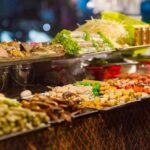
Day 1 starts in Phnom Penh with introductions, then you’re into tuktuks for a top-rated food tour. The plan is simple: you visit four safe-to-eat restaurants and you get a cold beer along the way. That matters more than it sounds. It’s an efficient way to learn the rhythm of Cambodian eating fast, so later market and temple days make more sense.
I like the pacing here because it avoids the common new-city problem: arriving hungry but not sure what to order. With the guide handling timing and recommendations, you can focus on taste and texture—spices, herbs, noodles, and fried snacks—without guessing your way into the wrong dish.
A practical note: this is a “short sprint” day. Expect an active few hours, then a large dinner spread to end the night in the same Khmer-food lane.
If you're still narrowing it down, here are other tours in Phnom Penh we've reviewed.
Toul Tompong (Russian Market), Khmer coffee, and the day’s contrast
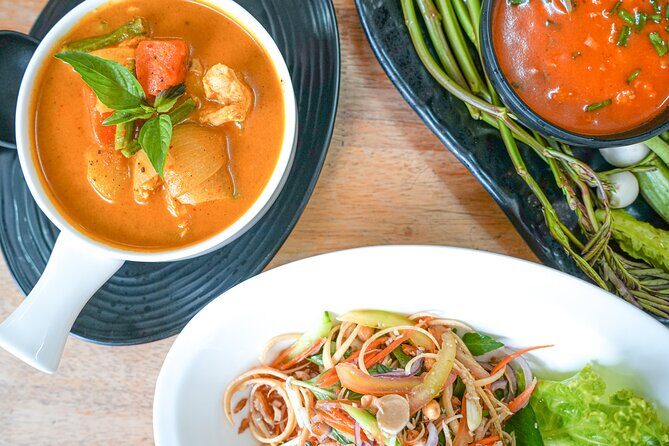
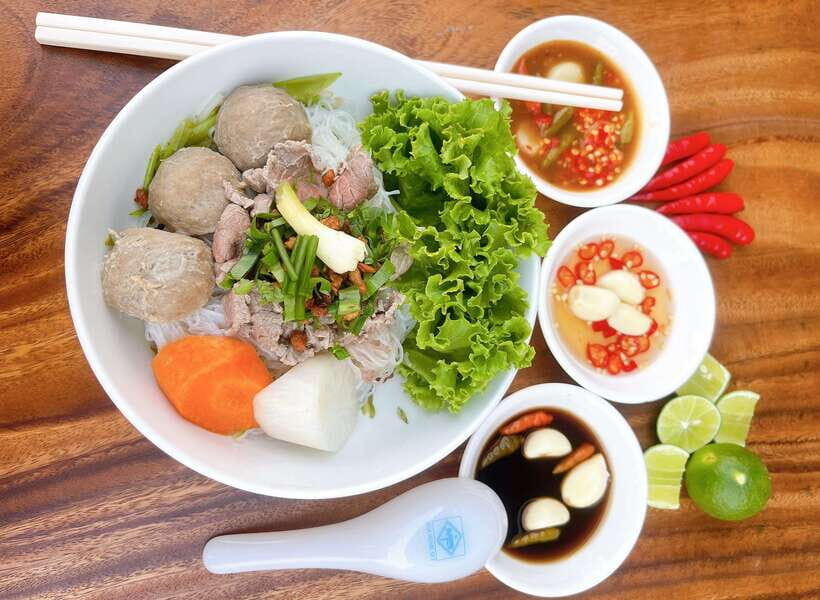
Day 2 begins with a morning at Toul Tompong, often called the Russian Market. You’ll have a classic local breakfast: noodle soup, Khmer coffee, and savory turmeric crepes. Then you walk through the market where you can see how ingredients move through everyday life—spices, proteins, produce, and dry goods packed in tight stalls.
This morning is also a good training run for ordering later. When you’ve already tasted the “starter pack” breakfasts—noodle soup, coffee, and crepes—you’ll recognize flavors on menus and in cooking class later.
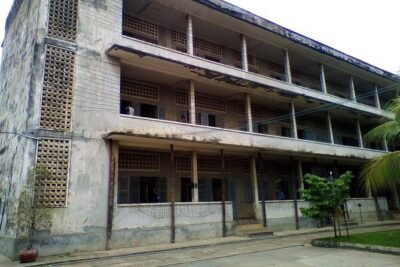
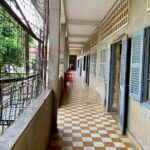
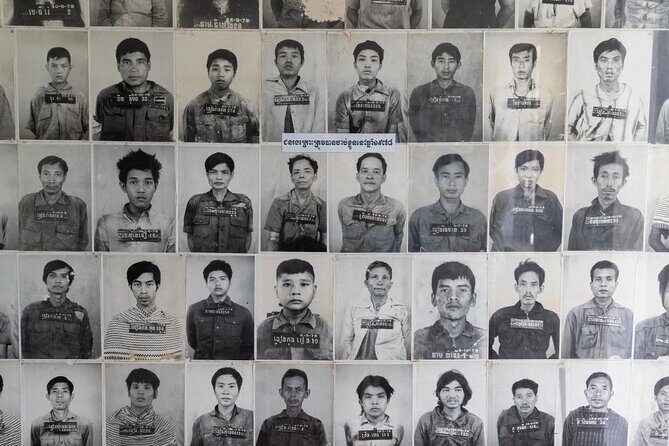
Then the day pivots hard, and that contrast is the point. You visit Tuol Sleng Genocide Museum (S21). This is an essential stop if you want to understand today’s Cambodia. The museum is the former site of a secondary school used as a prison during the Khmer Rouge period, and your guide frames it so it connects emotionally and historically instead of turning it into a quick photo stop.
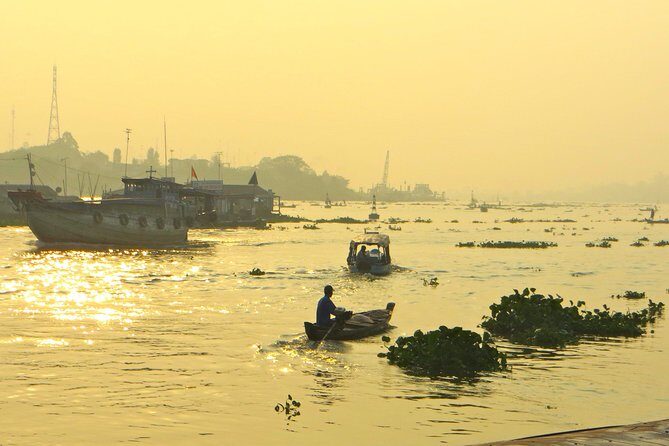
After the museum, you head to Sisowath Riverside Park on the riverfront. You’ll take a private boat for a happy hour cruise and later finish with a huge dinner spread. It’s one of those days where your senses swing from heavy to calming, and the schedule makes room for both.
Riverside happy hour and why the boat time matters
That private boat section isn’t filler. It’s a breathing space after a museum day that can stick with you. Phnom Penh sits along major waterways, so the river isn’t just scenery—it’s part of how fish and freshwater ingredients show up in Khmer kitchens.
You also get the “Cambodia at human speed” feeling. A boat cruise tends to slow your brain down, and it gives you a chance to process what you saw at Tuol Sleng before moving on.
If you’re the type who likes to learn with your eyes as well as your ears, this is a strong segment. You’ll be looking at the river and the city edges, with a guide to help connect the environment to the food you’ve already started tasting.
The long ride to Battambang: countryside hours that turn into meals
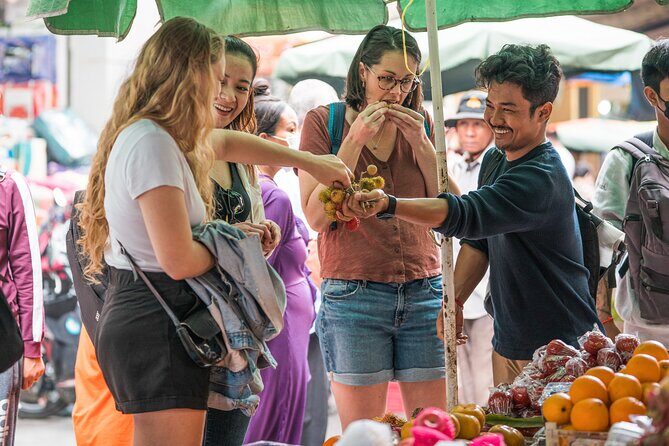
Day 3 is a big travel day, moving from Phnom Penh into Battambang’s countryside. The itinerary is built around that in-between Cambodia space: rice paddies, water buffalo, and rural roads. The message is clear: this country isn’t only Phnom Penh and Siem Reap.
What you should expect is a longer day and a full-body shift in pace. In the capital, you learn food through markets and busy streets. In the countryside, you learn it through land—where ingredients come from, how people live closer to daily harvest cycles, and how communities stay connected.
This is also where the private VIP van pays off. You don’t have to figure out timing or transfers. Your driver is with you, the van includes mineral water, and the Lost Plate team helps keep the trip moving without turning it into a stressful logistics puzzle.
Battambang by bike or tuktuk: villages, rural roads, and real pace
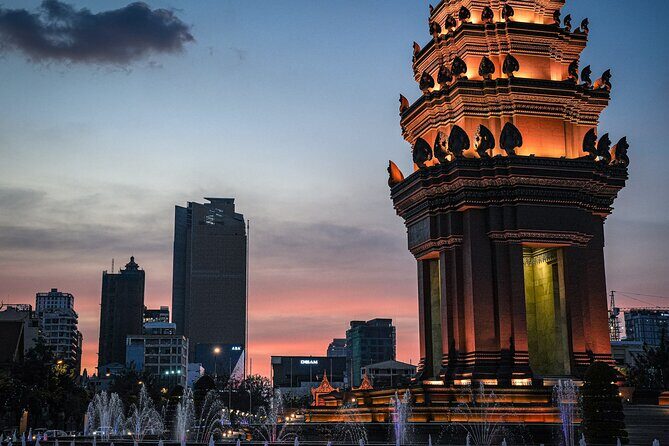
Day 4 continues the Battambang theme but shifts the style from riding through views to exploring them. You’ll bike (or take a tuktuk if you don’t cycle) and move through nearby countryside roads, villages, and farmlands.
That choice matters for comfort. Cycling is a great way to feel the countryside at low speed, but not everyone wants to spend hours in Cambodia heat on a bike. The option to ride by tuktuk makes the day work for more people, especially if you want to focus on photos and food rather than pedaling.
Then comes a standout nature moment: the Battambang Bat Caves. After a rest at the hotel, you head out again by tuktuk and go for a short hike up a hidden path to a hillside cave mouth. When the bats emerge, it’s a literal sign that the area’s natural rhythms are still in charge.
Just plan for basic hiking realities: the path is described as short, but you’ll still want comfortable shoes and a light layer for sun and shade.
Battambang’s Sangkae River dinner: when food is tied to place
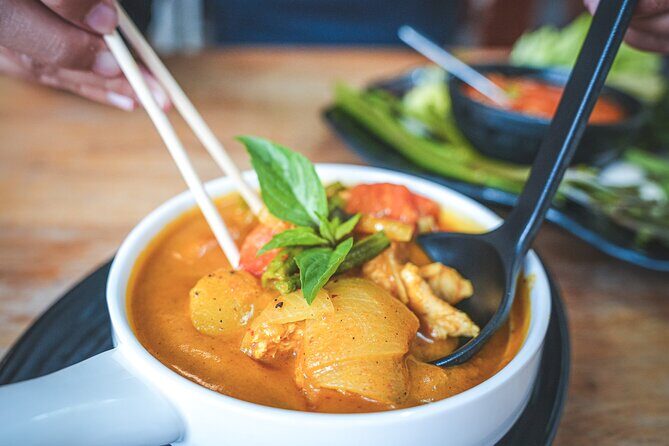
Dinner on Day 4 is along Battambang’s Sangkae River. You’ll grab a cold beer and a fresh-to-order papaya salad, plus a smorgasbord of local dishes. The setting is part of the flavor here. When you eat by the water, you feel how freshwater fish becomes a staple ingredient in Khmer cooking.
This is also a good time to slow down after a hiking + biking day. You can talk with your guide about what you saw in the villages, then connect it to what’s on the table.
If you have a sensitive stomach, this kind of guided dinner helps. The tour is designed around “safe-to-eat” locations earlier in the trip, and this one keeps that same idea: good food with less guesswork.
Street art and a cooking class with fish amok and chef Nary
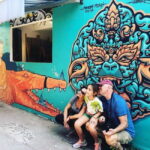
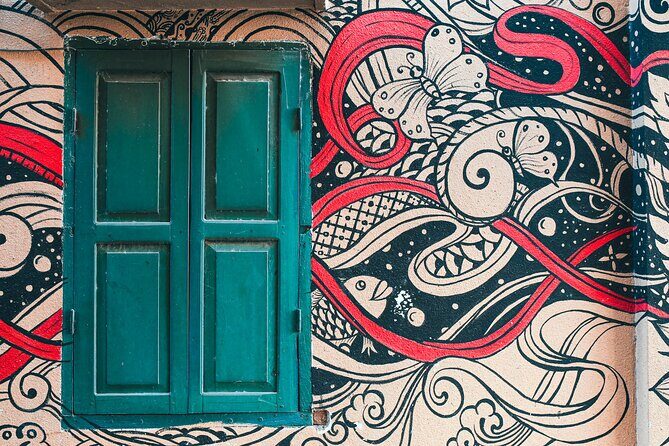
Day 5 blends culture and kitchen skills. First you meet a local artist to discover Battambang’s street-art scene, tied to the city’s artist reputation and its history through the Khmer Rouge era. That context matters because it helps you see the murals as more than decoration. They’re part of the city’s recovery and identity.
Then you visit Battambang’s largest local market. You shop for lunch ingredients there, which is a huge quality boost for a cooking class. When you pick items in person—rather than seeing a pre-selected basket—you pay attention. You remember what coriander looks like when it’s fresh. You notice how fish paste smells. You understand what a dish is trying to balance.
The cooking class is where the value gets loud. You prepare 4 popular Cambodian dishes, including fish amok and a coconut milk dessert. Chef Nary is named as the class leader, and that kind of specific attribution is usually a sign this is more than a generic cooking workshop.
After that, you transfer to Siem Reap (Temple Town) and enjoy Phare, The Cambodian Circus. It’s an excellent break from ruins-only travel. It keeps you connected to contemporary Cambodian creativity while your body recovers from the earlier cooking effort.
Angkor temples with Bayon and Ta Prohm: planning for early focus
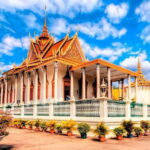
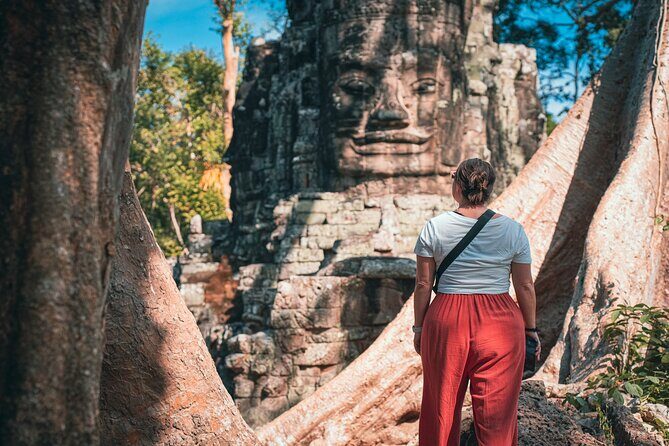
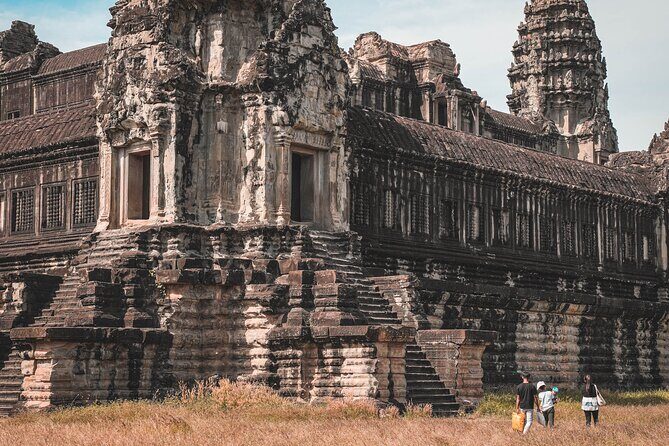
Day 6 is temple-heavy and built to manage attention. You start at Bayon Temple. Even though Angkor Wat is the headline, Bayon’s faces give you a different emotional tone across the complex. From there, you move to Ta Prohm, famous for trees growing through temple ruins—one of the Angkor scenes people recognize instantly.
A good day like this depends on timing and pacing. The itinerary is structured so you see these major sites with guide context, not just wandering with a map app. Your specialists help you interpret what you’re looking at and why these temples feel different from one another.
Lunch is especially interesting: you visit a local family inside a traditional home located within the ruin-laden jungle setting. You enjoy a homemade lunch, plus a fresh coconut. You also learn about daily life in a place shaped by the presence of ruins.
This segment is a reminder that Angkor isn’t only a destination; it’s a lived environment. And it’s one of the reasons this trip feels more grounded than “ruins then done.”
Angkor Wat sunrise and a final meal that feels like closure
Day 7 is built around Angkor Wat’s sunrise. The big takeaway is that it’s not just impressive because it’s famous—it changes as the light shifts. The tour frames it as when the temple comes alive and slowly transforms with the horizon. That’s the kind of moment you remember longer than a checklist photo.
After the sunrise block, you spend time in Siem Reap and end the trip with happy hour at a favorite outdoor bar-scape, followed by a multi-course dinner to say goodbye. This is where the schedule turns from “see everything” to “enjoy the last night.”
If you’re worried about feeling temple-fatigued, don’t. The day is structured to give you the emotional high of sunrise, then a social, relaxed evening instead of another early temple alarm.
Price and logistics: what $1,700 gets you (and what to budget)
At $1,700 per person, this trip sits in the mid-to-premium range for Cambodia. The value comes from what’s included and what’s not.
Included highlights that reduce your mental load:
- Tickets/entrance fees for the activities in the plan
- Airport pick-up in Phnom Penh and drop-off in Siem Reap
- A private inter-city VIP van and driver, stocked with mineral water
- English-speaking Lost Plate trip leader plus English-speaking local guides for attractions
- Meals: breakfast (7), lunch (6), dinner (7)
- Pre-trip briefing and Q&A one week before departure
- A no-shop approach, so you’re not pushed into compulsory purchases
Not included:
- Government fees of $35 per person
In plain terms: you’re paying for organization and guided access. If you’ve ever tried to stitch Phnom Penh, Battambang, and Angkor together yourself, you know how fast that turns into hours of transfers and negotiating guides on the fly. Here, the trip team does the hard part, and you get a structured path through food, history, and temples.
Also worth noting: the group size maxes out at 10. Smaller groups don’t automatically mean better, but in a day with markets, museums, boats, cooking, and temples, it usually means more attention when you have questions.
Who this Cambodia tour fits best
This works best for you if:
- You want a food-forward Cambodia trip where ingredients and dishes are explained in context
- You care about history and want Tuol Sleng handled thoughtfully (not skipped)
- You’d enjoy a smaller-group rhythm with English-speaking guide support
- You like variety: Phnom Penh city food, Battambang countryside, then Angkor temples and a cultural show
You might want to think twice if:
- You prefer slow travel with lots of free time. This itinerary is packed and moves between major regions.
- You don’t do well with heat, temple steps, or short hikes. The plan mentions a moderate fitness level, and the Bat Caves part is the closest thing to a “real effort” moment.
One more practical tip: because meals are planned, you don’t need to obsess over where to eat. But you’ll still want to bring a few basics you use at home—water bottle habits, sun protection, and comfortable shoes.
Should you book it?
I’d book this if you want the quickest way to understand Cambodia through food, place, and history, without gambling on messy logistics. The biggest strengths are the guided, well-fed structure—from Phnom Penh restaurant stops to fish amok cooking with chef Nary—and the strong finish with Angkor Wat sunrise plus a relaxed end in Siem Reap.
Book it if you like your travel with meaning and flavor. Pass if you want long unplanned afternoons and a very lightweight schedule.
FAQ
How long is the trip?
It’s about 8 days in total, starting in Phnom Penh and ending with a Siem Reap airport drop-off.
Where does the tour start and is airport pick-up included?
The start is Pochentong Airport (Phnom Penh), and airport pick-up is included.
Do I need to buy separate tickets for attractions?
No. Tickets and entrance fees for the activities in the itinerary are included.
What meals are included?
Breakfast (7), lunch (6), and dinner (7) are included.
What transport is used between cities?
You travel by your own private inter-city VIP van and driver, and the van is stocked with mineral water.
Is there a group size limit?
Yes. The maximum group size is 10 travelers.
Is this a shopping tour?
No. It’s described as a no-shop tour, meaning you will not be taken to places you’re obligated to purchase anything.
What government fees should I budget for?
Government fees of $35 per person are not included.
Is physical activity required?
A moderate physical fitness level is recommended. You’ll have options like biking versus a tuktuk, and there is a short hike connected to the Bat Caves stop.
When will I get confirmation after booking?
Confirmation is received at booking time unless you book within 7 days of travel, in which case confirmation is received within 48 hours subject to availability.