Cambodia hits fast, and this trip keeps up. You start with a friendly meet-at-the-airport handoff in Phnom Penh, then roll right into city chaos by tuk tuk. I like that your group leader sticks with you from day one and helps smooth the whole route, including support with onward travel at the end.
This is not just boxes checked. I also love the mix of beach and big-hits culture, especially the island days on Koh Rong Sanloem with snorkeling plus the early Angkor Wat sunrise with a local guide.
One thing to consider: the schedule is packed and one day is heavy. Visiting S21 Prison and the Killing Fields means you’ll need a mental reset after, and you won’t have much slow, guilt-free free time.
In This Review
- Key highlights at a glance
- Phnom Penh arrival and the tuk-tuk night that gets you oriented
- Learning Cambodia through S21 and the Killing Fields
- Kampot: pepper, river kayaking, and real riverside living
- Khmer cooking class and local markets: the food you’ll remember
- Koh Rong Sanloem: white sand, village-owned accommodation, and beach time
- Longtail boat snorkel day: crystal water and secluded beaches
- Day 7: final island morning and an overnight bus that actually feels human
- Floating villages near Siem Reap: a slow start before Angkor
- Angkor Wat sunrise: your local guide makes the temples click
- Ending in Siem Reap: wrap-up and planning onward
- Price and value: why a $59-style deal can still make sense
- Who should book Cambodia Intro
- Should you book Cambodia Intro?
- FAQ
- How long is the Cambodia Intro tour?
- Where does the tour start and what time?
- Where does the tour end?
- Does the price include accommodation and transport?
- Are meals included?
- Is Angkor Wat included, and is it a sunrise visit?
- Do I get snorkeling time on the island?
- How big is the group?
- Is there help with onward travel at the end?
- If I need to cancel, what refund can I expect?
Key highlights at a glance
- Meet your group leader at Phnom Penh airport and get moving with less stress
- S21 Prison and Killing Fields with local guides for context you can’t fake
- Kampot riverside time plus kayaking and a pepper plantation visit
- Koh Rong Sanloem snorkeling and beach downtime (including secluded spots)
- Overnight bus in Siem Reap style with reclining beds and air con
- Angkor Wat at sunrise with expert help for what you’re seeing
Phnom Penh arrival and the tuk-tuk night that gets you oriented
The tour starts the moment you land. At Phnom Penh International Airport, you’re met at the agreed time, then transferred to your hotel so you can recover and regroup. You’ll get time to meet your group and settle before heading out for dinner and drinks.
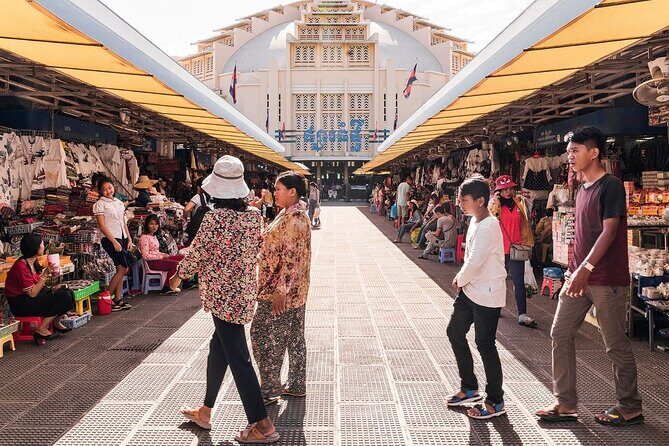
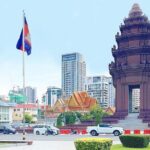
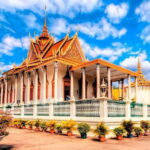
Then comes the tuk-tuk introduction to Phnom Penh. This is one of the best ways to get your bearings fast. You see the streets up close, you watch how people live and move, and you get used to the energy without needing to plan anything yourself.
What I like about this setup is the rhythm. You don’t do a 3-hour lecture on day one. You get comfortable first, then you learn. And your leader typically makes it easy to find good food spots and avoid the tourist traps that drain your time.
If you're still narrowing it down, here are other tours in Phnom Penh we've reviewed.

Learning Cambodia through S21 and the Killing Fields
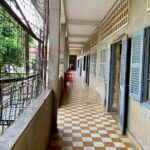
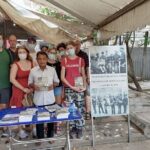
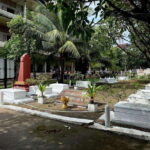
Day 2 turns serious, and it should. You go to S21 Prison with a local guide and then to the original Killing Fields. This isn’t a light visit, so don’t book yourself a “party only” mindset for that day.
A local guide matters here. These sites work differently depending on what you know going in. You’re not just walking through buildings and fields. You’re building understanding of Cambodia’s more painful modern history, and that takes context.
Practical tip: bring something simple for comfort—water, a hat, and shoes that work for uneven ground. Also plan to slow down after. If you want a calm dinner afterward, pick something easy and close, because your brain will still be processing.
One more consideration: the tour doesn’t hide from the difficulty. That’s a feature, not a bug. It makes the rest of the trip hit differently when you later see villages, beaches, and bright everyday life.
Kampot: pepper, river kayaking, and real riverside living
After Phnom Penh, you head to Kampot, switching from city noise to a more relaxed, countryside pace. You stay riverside for two nights, which is exactly what you want after a day like S21 and the Killing Fields. You’ll have time to swim and relax, instead of just moving from place to place.
Kayaking down the river is the kind of activity that makes Kampot feel personal. You see the water-level view of the region, with slower moments that let conversations happen naturally in the group. If you’ve only ever seen rivers from the road, this gives you a whole new angle.
The pepper plantation stop is also more than a photo stop. Kampot is known for pepper, and you get to see it at its source. Then you carry that flavor into a Khmer cooking class later, where you learn how meals come together in a Cambodian kitchen rhythm.
What this day does well is connect the dots. You’re not just eating. You’re understanding where ingredients come from and how local cooking fits daily life. And that’s the kind of detail that stays with you long after the market souvenirs fade.
Khmer cooking class and local markets: the food you’ll remember
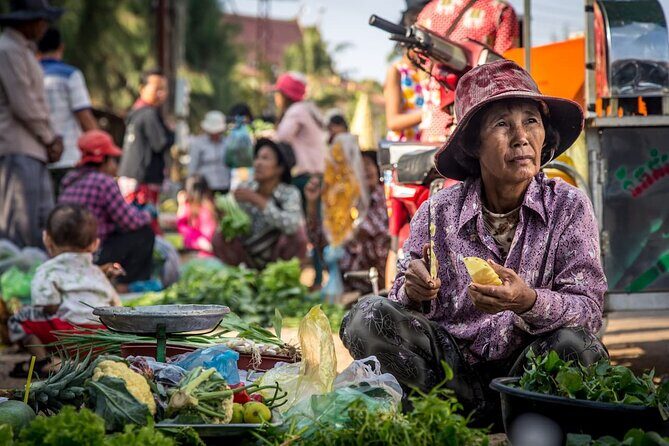
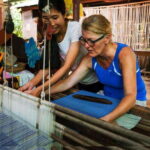
This part of the trip is one reason the tour feels grounded. You do local markets and then put it to work in a cooking class. That means you’re likely to recognize ingredients later, even if you’re eating the same dish somewhere else.
If you care about food culture, this is where you’ll get your best value. It’s also a great group activity. Everyone learns at the same pace, laughs at the same mistakes, and you end the night with a meal you helped make.
Bring an appetite. These classes are interactive, and you’ll want room for lunch and dinner plans that follow. If you’re picky about heat/spice, tell your leader or cooking instructor early so you can adjust without stress.
Koh Rong Sanloem: white sand, village-owned accommodation, and beach time
By day 5, you’re switching gears toward the tropical island side of Cambodia. You take a train and a fast ferry to Koh Rong Sanloem, then check into island accommodation owned by the chief of the village.
That detail matters. It’s not an anonymous hotel chain where you disappear into a lobby. You’re staying within a community, and that changes how the days feel. Even if you don’t talk much beyond quick hellos, you sense the place has people behind it.
You’ll have an afternoon to relax, and that’s the point. This is one of those tours where the downtime is intentional, not accidental. You’re not forced to sprint from activity to activity the moment you land.
If you’ve been traveling for a while, this is a nice reset. Sand on your feet, warm water nearby, and a schedule that finally allows you to breathe.
Longtail boat snorkel day: crystal water and secluded beaches
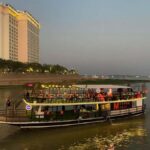
Day 6 is built around the water. You board a private long-tail boat to some of the best snorkel spots around the islands, including secluded beaches. Expect a day that’s equal parts adventure and relaxation.
The snorkel portion is the headline, but the in-between moments can be just as fun: boat time, quick swims, and the simple joy of being on the sea with a group that’s already in island mode. Your leader helps keep things organized, so you’re not stuck figuring out gear or where to go next.
Practical advice: use reef-safe habits if you can, and keep an eye on sun protection. The day is long and the water reflects light. If you’re new to snorkeling, don’t panic—follow the pace of your group, and you’ll be fine.
Evening time is built in too. You’ll get sunset to reflect, which helps the day feel complete, not like a checklist.
Day 7: final island morning and an overnight bus that actually feels human
You get a final day on the island with more beach time, then you head back to the mainland. After returning for dinner, you board an overnight bus bound for Siem Reap.
This bus is described as a more comfortable option: fully reclining beds and air conditioning. That’s not a small detail. Cambodia’s travel times can be long, and if you’re arriving in Siem Reap flat-out exhausted, Angkor sunrise becomes miserable.
On day 7, your job is simple: rest when you can. Pack for sleep like you would for any overnight bus—earplugs or headphones if you need them, plus water for after you wake up. Then you’ll be ready for an early start in the morning.
Floating villages near Siem Reap: a slow start before Angkor
Arrive in Siem Reap early on day 8, then venture out to rural areas to see traditional floating villages surrounded by rice fields, lotus flowers, and flooded forests.
This is one of the best kinds of contrast after the island. You’re still surrounded by water and nature, but it’s different—more seasonal, more agricultural. The flooded landscapes create a sense of place that feels distinctly Cambodian.
You won’t be stuck on a fast ride either. The point is seeing how communities adapt to their environment. Even if you only get a few hours, it changes how you picture the region before you go to the temple complex.
Angkor Wat sunrise: your local guide makes the temples click
Day 9 is the big one: sunrise at Angkor Wat. You travel by tuk tuk early, then meet with a local guide who explains the history and surrounding temples, including Ta Prohm where Tomb Raider scenes were filmed.
I strongly suggest you treat this as a guided learning moment, not just a photo run. Angkor is huge, and without context you can feel lost. A local guide helps you connect what you’re seeing to what it meant and how the site developed.
Wear comfortable clothes that can handle walking and early light. You’ll likely move between spots, and the morning is cooler but still bright. Bring water. Also, arrive with patience—sunrise waits for no one, and you don’t want to spend it fussing.
If you’ve seen temple photos before, you’ll still be surprised. The scale hits differently in person, and the details—carvings, pathways, the way light hits stone—become much more real when someone points them out.
Ending in Siem Reap: wrap-up and planning onward
Your final day closes out the Cambodia experience in Siem Reap. The tour includes help organizing your onward travel, which is handy when you’re ready to move on to the next country or next part of your trip.
This matters more than it sounds. After 10 days of moving, you don’t want to start from zero on day 10. Your leader can help you make sense of options so you don’t burn half a day on questions you could’ve answered earlier.
If you have extra time in Siem Reap after the tour, you’ll likely want a slower day to process what you saw at Angkor. Keep it flexible so you can match it to your energy.
Price and value: why a $59-style deal can still make sense
The headline price is $59 for a 10-day experience. That price alone feels low, so here’s where the value comes from. You’re not paying for only tours. You’re getting:
- 9 nights of accommodation
- Most meals, including lunch and dinner plus breakfast daily for 9 breakfasts
- All transport across the route
- A leader throughout, plus help with onward travel
- Specific guided experiences like S21 Prison, Killing Fields, and Angkor Wat sunrise
For many travelers, the biggest cost isn’t just ticket prices. It’s the time and planning headache. This tour solves a lot of that by packaging transport, timing, and guidance into one flow.
The included items also follow a sensible logic: culture and history first (with context), then rivers and food (with hands-on learning), then island and water (with real recreation), and finally temples (with the right morning timing).
One practical caution: flights, visas, travel insurance, and some meals are not included. Also, extra nights are around £30 / $35 per night for a twin/double room and can be paid on arrival. If you need flexibility beyond the tour end, budget for that.
Who should book Cambodia Intro
This trip fits best if you want structure but not boredom. It’s ideal for first-timers to Cambodia, and it’s also a strong pick for solo travelers who want to meet people without constantly negotiating with strangers.
It’s also good if you like active days with a purpose: kayaking, river cruising, snorkeling, and early temple viewing. The itinerary is paced to include both movement and recovery, which is why the island days work as a reset after heavy history.
If you hate early mornings, the Angkor sunrise day will test you. If you need lots of quiet time, you may feel the schedule is full. But if you like a trip that keeps momentum while still giving you breaks—this is a solid match.
Should you book Cambodia Intro?
If you want a single 10-day route that covers Phnom Penh, Kampot, Koh Rong Sanloem, and Siem Reap without you doing the logistics, I’d book it. The best part is how the trip mixes guided learning with hands-on fun.
Also, pay attention to the leader experience. Past groups reported leaders like Sel, Paula, Bela, Izabela, and others making the trip smoother and safer, with real help when needed. That kind of support turns a good itinerary into an experience that feels cared for.
Book it if you’re okay with a full schedule and one emotionally heavy day. Skip it only if you want a slow, self-paced Cambodia.
FAQ
How long is the Cambodia Intro tour?
It’s listed as approximately 10 days.
Where does the tour start and what time?
It starts at Phnom Penh International Airport, with a start time of 10:00 am.
Where does the tour end?
It ends at Lub d Siem Reap Village, Wat Bo Primary School, 45 7 Makara St, Krong Siem Reap.
Does the price include accommodation and transport?
Yes. It includes 9 nights of accommodation and all transport.
Are meals included?
Breakfast is included (9 breakfasts), plus lunch and dinner.
Is Angkor Wat included, and is it a sunrise visit?
Yes. The tour includes an Angkor Wat sunrise temple tour.
Do I get snorkeling time on the island?
Yes. Snorkelling is included during the Koh Rong Sanloem boat trip day.
How big is the group?
The tour has a maximum of 20 travelers.
Is there help with onward travel at the end?
Yes. The tour includes help with organising your onward travel after the Cambodia trip ends in Siem Reap.
If I need to cancel, what refund can I expect?
You can cancel up to 6 days in advance for a full refund. Cancel 2–6 days before for a 50% refund. Within 2 days, there’s no refund. Cut-off times are based on local experience time.